
Fibrocystic breast symptoms include lumpy, ropey or tender tissue that often changes with your menstrual cycle. About 50% of women over 30 notice these changes, and any lump that stays the same across a full cycle needs imaging, not waiting.
This article covers what the published evidence actually shows: what the tissue feels like, the cycle pattern, discharge and skin changes, and how to track symptoms.
Quick Answer: Fibrocystic Breast Symptoms
Fibrocystic breast symptoms are lumpy, ropey or tender tissue that is usually worse before a period and eases afterward, and lumps may change size with the cycle. About 50% of women over 30 notice them. A lump that stays the same through 1 full cycle, or new bloody or clear discharge, needs an exam and imaging.
Key Takeaways
- About 50% of women over age 30 notice fibrocystic breast changes.
- Lumps that change size across 1 cycle fit fibrocystic tissue.
- A lump that stays the same through 1 cycle is suspicious.
- Bloody or clear nipple discharge needs 1 prompt clinical check.
- Cysts, fibroadenomas and fibrous tissue are 3 different lump types.
Related Products
What Fibrocystic Breast Symptoms Feel Like
Fibrocystic breast symptoms are lumpy, thickened or stringy tissue with a full, heavy or tender feel. Women often call that stringy thickness ropey. The National Cancer Institute describes swelling or discomfort that often starts before or during a period.[1]Breast changes and conditions — National Cancer Institute View source About 50% of women over 30 notice these changes.[2]Benign Breast Disease in Women — Deutsches Arzteblatt International (2019) View source
- Lumpy: Bumpy tissue that feels uneven rather than smooth.
- Ropey: A patient's word for stringy, thickened tissue. Clinical pages describe it as thickening.
- Tender: Soreness when the breast is pressed or touched.
- Full: A swollen feeling, often before a period.
- Heavy: A weighty, dragging feeling in the breast.
- Dull ache: A low, steady discomfort in the breast.
These symptoms sit under the wider heading of fibrocystic breast changes, which covers causes, cancer risk and what helps.
Get Any New Lump Examined and Imaged
- A lump or thickened area you have not felt before, at any age
- A lump that stays the same through a whole menstrual cycle
- New nipple discharge, especially if it is bloody or clear
- Pain in one fixed spot that does not settle
- Any change in the skin of the breast or nipple
The Cycle Pattern: When Symptoms Peak
The cycle is the best clue. Fibrocystic tenderness and lumpiness are usually worse before a period, and lumps may change in size with it.[3]Fibrocystic breasts — MedlinePlus Medical Encyclopedia (NIH) View source A lump that stays the same through 1 whole cycle is considered suspicious and needs imaging. That timing separates fibrocystic tissue from a lump that ignores your cycle.
| What you notice | Fits the fibrocystic pattern | Needs a check |
|---|---|---|
| Timing with your cycle | Tenderness and lumpiness are worse before or during a period | Pain or a lump that does not follow the cycle: ask for an exam |
| Size of a lump | A lump gets bigger or smaller with the period | A lump that stays the same through 1 whole cycle: imaging |
| Nipple discharge | Physiologic discharge is common (see the discharge section) | Spontaneous, bloody or 1-sided discharge, or discharge with a mass: imaging |
| Skin of the breast | Fibrocystic change is not defined by skin change | Any skin change: exam (see the skin section) |
| A new lump at any time | Cysts, fibroadenomas and fibrous tissue are all benign possibilities. Fibrocystic change covers many benign findings, and solid masses may need a core biopsy.[4]Fibrocystic Change — Radiologic Clinics of North America (2024) View source | A lump you have not felt before: exam and imaging |
Use the table as a prompt for an exam, not as a self-test. It cannot rule cancer out.

Types of Lumps You Might Feel
3 different things hide behind the word lump. A cyst is a fluid-filled sac and the most common cause of a breast mass.[5]Breast Cyst — StatPearls, NCBI Bookshelf (2023) View source According to the National Cancer Institute, a fibroadenoma often feels hard and round, moves easily and does not usually hurt. Fibrocystic tissue is general lumpiness without one distinct lump.
| Lump type | Typical feel | Usual pattern |
|---|---|---|
| Cyst | A fluid-filled sac, sometimes tender | May hurt just before a period |
| Fibroadenoma | Hard and round, moves easily | Usually painless |
| Fibrocystic tissue | General lumpiness or thickening, not one distinct lump | Changes with the cycle |
| Anything new or solid | Cannot be told apart by touch | Needs exam and imaging |
Only breast lump ultrasound or other imaging can tell a fluid-filled cyst from a solid lump. Touch alone never settles it.
A lump can also be none of these 3, which is why every new lump gets an exam.
Nipple Discharge and Skin Changes
Some nipple discharge is physiologic and needs no imaging, but discharge that is spontaneous, bloody, from 1 breast only or with a mass is pathologic and needs imaging.[6]Common Breast Problems — American Family Physician (2019) View source Skin changes also need an exam, because benign and malignant breast conditions can overlap.
- Spontaneous: It leaks without squeezing.
- Bloody: Any blood in the discharge.
- One breast only: Discharge from 1 breast, not both.
- With a mass: Discharge together with a lump.
Any of the 4 features above makes discharge pathologic. What to do about it is short.
- Report any new discharge to a clinician.
- Physiologic discharge is common and needs no diagnostic imaging, while pathologic discharge needs breast imaging.[7]ACR Appropriateness Criteria Evaluation of Nipple Discharge: 2022 Update — Journal of the American College of Radiology (2022) View source
- Report any change in the skin of the breast or nipple. Lumps, pain, thickening, discharge and skin changes can overlap between benign and malignant conditions, so each needs an exam.[8]Fibrocystic Breast Disease — StatPearls, NCBI Bookshelf (2026) View source

Normal Lumpiness or Something New?
Normal lumpiness behaves the same way each cycle. Something new is a lump you have not felt before, one that ignores your period, or a change in only 1 spot. Benign changes are common, and only 3% to 6% of clinical breast changes are cancer. But touch alone cannot sort them.
| Usual for me | New for me |
|---|---|
| Lumpiness that returns in the same areas each cycle | A lump I have not felt before |
| Tenderness that is worse before a period | A lump that does not change with my period |
| Lumps that get bigger or smaller with the cycle | A change in only 1 spot |
| Symptoms I have tracked and discussed at an exam | New nipple discharge or a skin change |
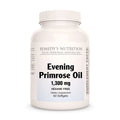
Keep a list of everything you take for 2 cycles, supplements included. If that includes evening primrose oil, a 1300 mg evening primrose oil softgel from our line is a single-ingredient seed oil. A bottle holds 60, one a day with food on the label. It has not been shown to change lumps.
If you have had breast cancer or take hormone therapy, ask your clinician before adding any supplement.
How to Track Your Symptoms for 2 Cycles
A 2-cycle diary turns a vague worry into usable facts. Note the date, side and spot of any lump, its size against a coin, tenderness from 0 to 10, your cycle day and any discharge. Then bring it to the visit. It does not replace an exam; it shortens the history.
- The date of each entry.
- The side and spot of any lump.
- Its size against a coin.
- Tenderness from 0 to 10.
- Where you are in your cycle.
- Any nipple discharge, and from which side.
- Everything you took that day, supplements included.
Bring 4 things to the visit:
- The diary, for both cycles.
- A list of medicines, supplements and hormone therapy.
- Your questions, written down.
- Any earlier breast imaging reports.
The diary never delays an exam. Book the visit now and keep writing. If the lump does not follow your cycle, read our guide on when to worry about a breast lump.
Fibrocystic Symptoms After Menopause: What Changes
Most fibrocystic changes appear in the 30s and 40s. They are rare after menopause unless estrogen is being taken, per MedlinePlus. A new lump or new tenderness at that stage is therefore worth 1 exam and imaging rather than an assumption of fibrocystic change, especially on hormone therapy.
Mention these to your clinician:
- Any hormone therapy or estrogen, and when you started it.
- Other medicines and supplements.
- A new lump or new tenderness.
- Any nipple discharge.
- When your periods stopped.
Bring the diary from the previous section if you have one. It helps most when symptoms are new.

Frequently Asked Questions
How do I know if I have fibrocystic breasts? +
About 50% of women over 30 notice lumpiness and tenderness that peak before a period, but only an exam and imaging can confirm that it is fibrocystic. Track 2 cycles in a diary, and book an exam sooner for any new lump, any nipple discharge or a lump that does not change.
What does a fibrocystic breast lump feel like? +
A fibrocystic lump may change in size with 1 period, and it often feels like general lumpiness or thickening. A single lump that stays the same through 1 whole cycle is considered suspicious and needs imaging. Touch cannot tell a cyst from a solid lump, so every new lump gets an exam.
Why do my breasts feel ropey? +
Ropey is a patient's word for thickened, uneven tissue, and about 50% of women over 30 notice lumpy or thickened breasts. Clinical sources describe lumpiness, thickening and tenderness rather than ropiness. Thickening that is new, or on 1 side only, deserves an exam, whatever you call it. Mention it at your next visit even if it feels minor.
What does it mean if my breast tissue feels lumpy? +
Most often it is cyclic fibrocystic tissue, which is benign, and only 3% to 6% of clinical breast changes are cancer. Touch cannot sort them, so a new lump is checked. A lump that does not change across 1 whole cycle needs imaging. Tell your clinician about any lump you have not felt before.
Is it normal to have lumps in my breasts before my period? +
Yes, lumps can appear or grow before a period and shrink afterward, which fits fibrocystic tissue in about 50% of women over 30. If a lump does not change across 1 whole cycle, or you have never felt it before, get an exam and imaging. Do not wait for another cycle to decide.
What type of discharge is associated with fibrocystic breast changes? +
Discharge falls into 2 types: physiologic, which is common and needs no diagnostic imaging, and pathologic, which does. Discharge that is spontaneous, bloody, from 1 breast only or with a mass is pathologic and needs breast imaging. Report any new discharge to a clinician, and do not wait for it to stop.
What do fibrocystic breasts look like? +
The sources describe fibrocystic breasts by feel, using 4 words: lumpy, full, swollen and tender, rather than by appearance. Any change in the skin of the breast needs an exam, because benign and malignant conditions can overlap. Book 1 visit if you notice a skin change, and do not wait for it to pass.
What is fibrous breast tissue? +
Fibrous breast tissue is firm connective tissue, 1 of the 2 parts of fibrocystic change, along with cysts. Doctors sort the changes into 3 histologic groups: nonproliferative, proliferative without atypia, and atypical hyperplasia. A biopsy, not a scan or a touch exam, assigns the group. Ask your clinician which group applies if you have had a biopsy.
Can fibrocystic breast changes affect only one breast? +
They can be more noticeable on 1 side, and symptoms need not be symmetrical. A lump that persists on 1 side across a whole cycle needs an exam and imaging, whatever the cause. Note the side in your diary, because the side helps the clinician and the radiologist choose the scan.
What should I write down about my breast symptoms before a visit? +
Write down 7 items over 2 cycles: the date, the side and spot of any lump, its size against a coin, tenderness from 0 to 10, your cycle day, any discharge and everything you took. Bring the notes, your medicine list and any earlier imaging reports, so the visit starts from facts.
Related Reading
- Why Breasts Hurt Before a Period
- Fibrocystic Breast Diet and Caffeine
- Vitamin B6 for Breast Tenderness
- Noncancerous Breast Lumps and What They Feel Like
Related Products