
Caffeine and breast pain have been studied for more than 40 years, and trials found little consistent benefit from cutting back. Two randomized trials of 158 and 56 women found minor or no change, and a 1984 study saw nodules shift in 87% of breasts despite steady caffeine.
This article covers what the published evidence actually shows: caffeine, low-fat diets, support bras, exercise and the limits of these studies.
Quick Answer: Caffeine and Fibrocystic Breasts
Caffeine has not been shown to worsen or improve fibrocystic breasts: 2 randomized trials of 158 and 56 women found minor or no change. A 1984 study linked above 500 mg a day to 2.3 times higher odds; a 1982 study found no link. Cutting back is unproven, and a new lump needs an exam first.
Key Takeaways
- Caffeine cuts gave minor or no benefit in 2 randomized trials.
- A 1984 case-control study found 2.3 times higher odds above 500 mg.
- A 1982 case-control study of 323 women found no coffee difference.
- A 21-woman trial of a low-fat diet eased premenstrual tenderness.
- A 6-week exercise trial in 20 women showed no pain-score difference.
Related Products
Does Caffeine Affect Fibrocystic Breasts?
Caffeine has not been shown to reliably worsen or improve fibrocystic breasts. Two randomized trials of caffeine reduction, in 158 and 56 women, found minor or no change in lumps or pain.[1]Effects of caffeine-free diet on benign breast disease: a randomized trial — Surgery (1982) View source
- Trials: Cutting caffeine gave a minor change in 158 women and none in 56.[2]The effect of decreased caffeine consumption on benign proliferative breast disease: a randomized clinical trial — Surgery (1987) View source
- Case-control studies: One found 1.5 to 2.3 times higher odds at higher intakes (634 cases).[3]Caffeine consumption and fibrocystic breast disease: a case-control epidemiologic study — Journal of the National Cancer Institute (1984) View source One found no difference (323 cases).[4]Caffeine consumption and benign breast disease: a case-control comparison — American Journal of Public Health (1982) View source
- For you: A caffeine break is a low-risk experiment, not a proven fix for lumps or pain.
For what the diagnosis itself means, start with our guide to fibrocystic breast disease.
Get Any New Lump Examined and Imaged
- A new lump or thickening needs a clinical exam, and usually imaging, whatever you think the cause is.
- Do not wait to see whether cutting back on caffeine changes it.
- Diet and bras cannot tell a harmless lump from a serious one. Only an exam and, when needed, imaging can.
The Trial Scoreboard: Caffeine and Diet Studies
Seven studies on caffeine, diet and exercise are summarized below. Of the 2 randomized caffeine trials, only 1 found a statistically significant change, and it was minor. The 2 case-control studies disagree: 634 cases found a link, and 323 cases found none.
| Study | Design and size | Result |
|---|---|---|
| Connecticut case-control, 1984 | Case-control: 634 women with fibrocystic disease, 1,066 controls | Odds 1.5 times at 31 to 250 mg caffeine a day, 2.3 times above 500 mg; no link with fibroadenoma |
| Benign breast disease case-control, 1982 | Case-control: 323 cases, 1,458 controls | No difference in coffee and tea intake |
| Prospective nodule study, 1984 | Prospective: 72 women followed 6 months with steady caffeine | Nodules changed number or position in 87% of breasts |
| Caffeine-free diet trial, 1982 | Randomized: 158 women | Statistically significant but minor fall in palpable findings; mammograms gave little support |
| Decreased caffeine trial, 1987 | Randomized, single-blind: 56 women, 4 months | No reduction in nodules or pain and tenderness |
| Low-fat diet trial, 1988 | Randomized: 21 women, 6 months | Less premenstrual tenderness and swelling; tiny trial |
| Exercise trial, 2017 | Randomized: 20 women, 6 weeks | Similar total pain scores between groups; preliminary |
The one prospective study followed 72 women for 6 months while their caffeine intake stayed steady. Nodules still changed number or position in 87% of breasts, so ordinary fluctuation is easy to mistake for an effect.[5]Prospective study of "fibrocystic breast disease" and caffeine consumption — Surgery (1984) View source

How Much Caffeine and Which Drinks
Caffeine and its relatives, theobromine and theophylline, sit in coffee, tea, colas and chocolate. The 158-woman randomized trial tested a diet free of all of them. In the 1984 case-control study, 31 to 250 mg a day carried 1.5 times the odds, and over 500 mg a day carried 2.3 times.
- Write down every drink for 4 weeks: coffee, tea, cola and energy drinks, with size and time.
- Add chocolate, and every medicine or supplement you swallow.
- Score breast pain from 0 to 10 each day, and note the day of your cycle.
- Change one thing at a time, and write down the date of the change.
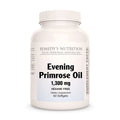
Check the label of anything you take. For evening primrose oil, the evening primrose oil softgel we make holds 1300 mg of seed oil per softgel. The label directs one a day with food, with 60 per bottle. Tell your clinician about every supplement, especially after breast cancer or on hormone therapy.
Low-Fat Diet and Premenstrual Breast Pain
One small trial favors a low-fat diet. In 21 women with severe cyclical breast symptoms, 6 months at 15% of calories from fat eased premenstrual tenderness and swelling.[6]Effect of a low-fat high-carbohydrate diet on symptoms of cyclical mastopathy — Lancet (1988) View source It is a lead, not a result.
| Trial | Women | Diet and length | Result |
|---|---|---|---|
| Low-fat, high-carbohydrate diet, 1988 | 21 | 15% of calories from fat, 6 months | Less premenstrual tenderness and swelling; exam improved in 6 of 10 versus 2 of 9 controls |
| Caffeine reduction, 1987 (for contrast) | 56 | Decreased caffeine, 4 months | No reduction in nodules or pain and tenderness |
- Sample: No larger trial of this diet is in the evidence we reviewed.
- Cause: It is not known whether the change came from the diet itself or from the teaching and attention that came with it.
If your pain follows the calendar, our page on breast pain before a period covers that pattern.

Support Bras, Exercise and Other Self-Care
Support bras and exercise are low-risk but unproven for pain scores. In 18 patients, an 8-week bra prescription did not lower pain versus standard care.[7]Multi-study randomised controlled trial to develop, implement and evaluate bra prescription to reduce breast pain and improve quality of life — Complementary Therapies in Clinical Practice (2021) View source In 20 women, 6 weeks of exercise gave similar total pain scores.
| Measure | Trial | Result |
|---|---|---|
| Breast pain | Bra prescription, 18 patients, 8 weeks | No difference versus standard care |
| Quality of life | Same bra trial | Better within the bra group |
| Total pain scores | Exercise trial, 20 women, 6 weeks | Similar in both groups |
| Sensory pain and VAS | Same exercise trial | Improved only within the exercise group; authors call it preliminary |
A 2022 surgical review lists diet, medications, stress, hormonal fluctuation and an ill-fitting bra as contributors to breast pain.[8]Management of Mastalgia — The Surgical Clinics of North America (2022) View source It also notes that breast cancer is rarely the cause of pain, but a lump with pain still needs imaging.
- Bra fit: Check that your bra fits and does not dig in or ride up.
- Exercise: Regular movement is low-risk, but the one trial was small and preliminary.[9]The effects of exercise on mastalgia — The Physician and Sportsmedicine (2017) View source
- Medicines: Ask your clinician whether any medicine you take can add to breast pain.
Supplements are a separate question, and our page on supplements for breast pain compares vitamin E, B6, magnesium and iodine.
Limits of These Old, Small Studies
These studies are old and small. The caffeine and diet trials date from 1982 to 1988 and enrolled 21 to 158 women. The bra and exercise trials enrolled 18 and 20. Treat every result here as a hypothesis to test, not as proof.
- Age: The randomized caffeine and diet trials were published between 1982 and 1988.
- Size: The randomized trials enrolled between 18 and 158 women.
- Blinding: Diet and bra changes cannot be hidden from the woman, so expectation can shape pain scores.
- Memory: Case-control studies ask women to recall past intake, and the 2 we found disagree.
- Definitions: The papers use different labels: fibrocystic disease, benign breast disease and cyclical mastopathy.
Evidence gap: We found no recent large trial of caffeine, diet or bra changes for fibrocystic breast symptoms. Until one exists, a personal log is the practical way to test a change.
When Symptoms Persist: What to Ask
Lifestyle changes do not replace an exam. Book an exam and imaging if lumps or pain persist, stop following your cycle, or you find a new lump. Bring your 4-week log and a list of everything you take, supplements included.
Book an Exam and Imaging If You Notice
- A new lump, or a lump that feels different from the tissue around it
- Nipple discharge, or a nipple that has turned inward
- Redness, dimpling or thickening of the skin
- Pain in one spot, or pain that no longer follows your cycle
- A lump that is still there after your period, or that keeps growing
Bring these 4 questions to the visit:
- Does my pain look cyclic or non-cyclic?
- Do I need imaging, and which test?
- Could any medicine or supplement I take be adding to the pain?
- When should I come back if nothing changes?

Frequently Asked Questions
Does caffeine cause fibrocystic breasts? +
No causal link is proven, and 2 case-control studies disagree: 634 cases found a link, while 323 cases found none. Two randomized trials of caffeine reduction also found minor or no change in lumps or pain. Case-control studies cannot show cause, and this research is decades old. A new lump still needs an exam, whatever you drink.
Does exercise help fibrocystic breast? +
Evidence is preliminary: in a 6-week trial of 20 women who exercised 3 times a week, total breast pain scores were similar between groups. Some sensory pain scores improved only within the exercise group, and the authors call the result preliminary. Exercise is low-risk, but it has not been shown to lower total pain scores.
What to avoid with fibrocystic breast disease? +
Nothing is proven to be off limits, and 2 randomized trials of caffeine reduction found minor or no benefit. An ill-fitting bra and some medicines can add to breast pain, so check both with a clinician. Avoid products that promise to remove lumps, because no supplement has been shown to do that.
What aggravates fibrocystic breasts? +
A 2022 surgical review names 5 possible contributors to breast pain: diet, medications, stress, hormonal fluctuation and an ill-fitting bra. Caffeine is unproven as a trigger, because 2 randomized trials of 158 and 56 women found minor or no change. A diary kept for 4 weeks shows your own pattern, and a new lump still needs an exam.
Which foods cause breast pain? +
No food is proven to cause breast pain. Two caffeine trials found minor or no change, and a 21-woman trial of a diet with 15% of calories from fat eased premenstrual tenderness. That trial is tiny and has no larger follow-up in our sources, so use it as a lead. A 4-week food and symptom log shows your pattern.
What to drink for breast pain? +
No drink is proven to help, and 2 caffeine-reduction trials of 158 and 56 women found minor or no change. Water has no trial evidence either way. If you want to test caffeine, change one thing, log everything you drink for 4 weeks, and compare your pain scores with the weeks before the change.
Does a low-fat diet help breast pain? +
One 21-woman trial found a benefit, but it is tiny. A diet of 15% of calories from fat for 6 months reduced premenstrual tenderness, and the exam improved in 6 of 10 women versus 2 of 9 controls. No larger trial is in our sources, so it is a lead, not a result. Ask your clinician before a major diet change.
How much caffeine is too much for breast pain? +
No safe threshold is proven. A 1984 case-control study found 1.5 times the odds of fibrocystic disease at 31 to 250 mg a day and 2.3 times above 500 mg a day. Observational data cannot show that caffeine caused it, and a 1982 study found no difference. Treat the bands as a hint, not a limit.
Does a support bra help fibrocystic breasts? +
A support bra is low-risk, but pain relief is unproven. In an 8-week trial of 18 patients, a prescribed bra did not lower pain versus standard care, though quality of life improved within the bra group. A 2022 surgical review notes that an ill-fitting bra can add to pain, so check your fit.
Does cutting out coffee shrink breast cysts? +
There is no proof that it does. In 72 women with steady caffeine intake, nodules changed number or position in 87% of breasts over 6 months, and a 56-woman randomized trial found no reduction in nodules. Lumps fluctuate on their own, which makes changes easy to misread. A lump that persists needs imaging.
Do tea, cola and chocolate count as much as coffee? +
The trials grouped them together. The 158-woman randomized trial tested a diet free of caffeine, theophylline and theobromine, which occur in coffee, tea, colas and chocolate. None of the studies we reviewed compared one source against another, so no source can be called safer. Log all 4 when you test your own pattern.
Related Reading
- Symptoms of Fibrocystic Breast Changes
- Telling if a Breast Lump Is Cancer
- Breast Cyst Aspiration: What Happens
- Is a Fibroadenoma Different From a Cyst?
- Primrose Oil for Breast Pain: What Trials Show
Related Products
Shop Evening Primrose Oil 1300 mg
A seed oil softgel with no fillers listed beyond the capsule. Read what the trials found before you buy.
Go to ShopShop Magnesium Glycinate 1000 mg
One capsule daily on the label. No trial links this product, or magnesium, to caffeine or fibrocystic breasts.
Go to Shop