What Is Rose Hip Oil?
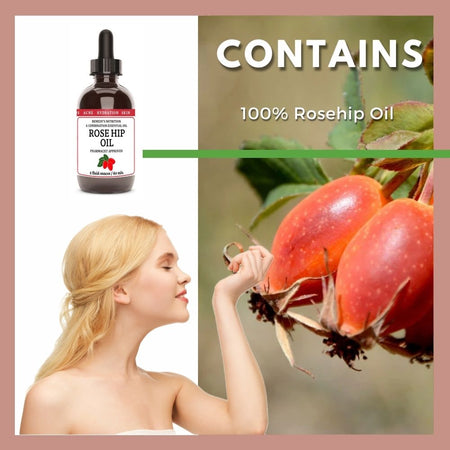
Rose hip oil is a cold-pressed seed oil extracted from the fruit of wild rose species — most commonly Rosa canina or Rosa rubiginosa.
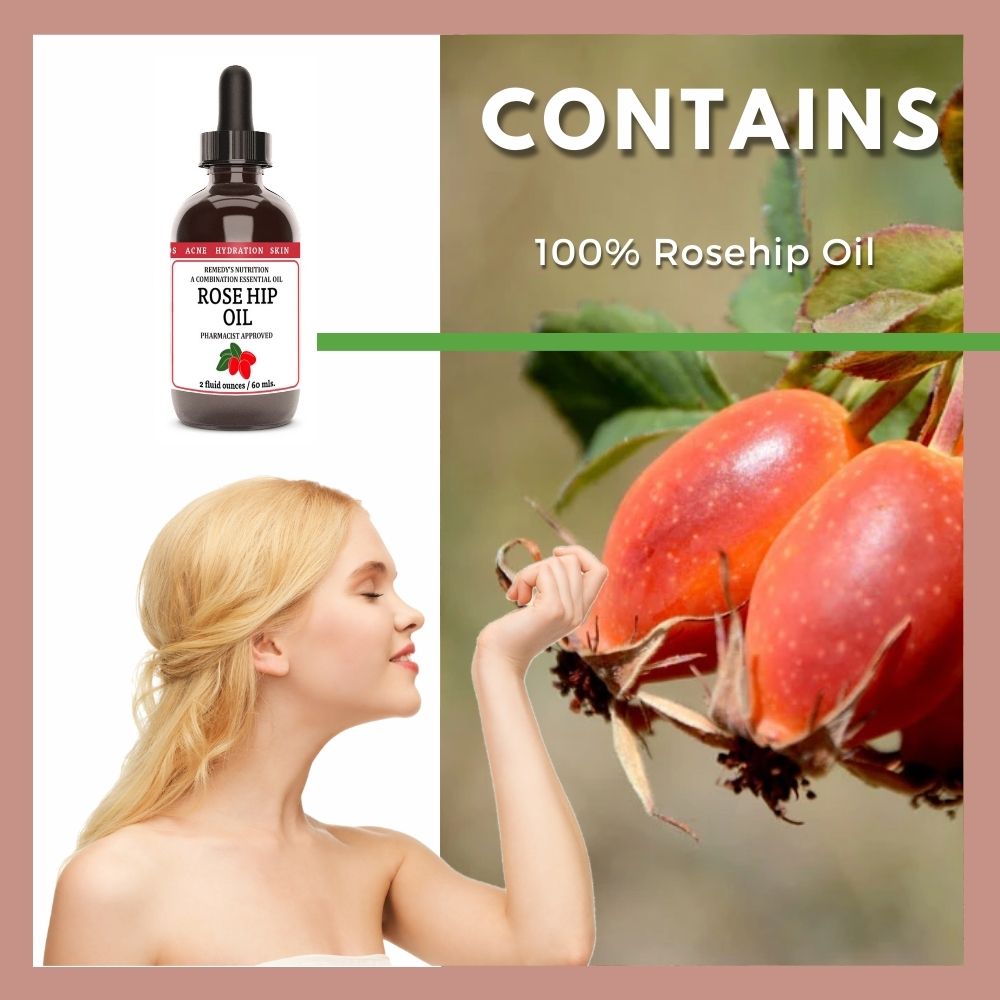
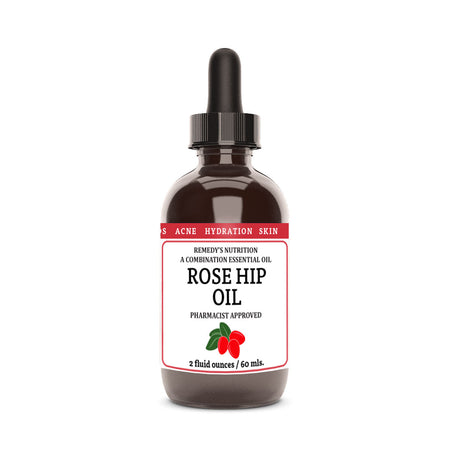
The deep orange-red color is the first indicator of quality: it comes from natural lycopene and beta-carotene content, both of which are destroyed by heat during refining. A pale, colorless rosehip oil has been stripped of these compounds.
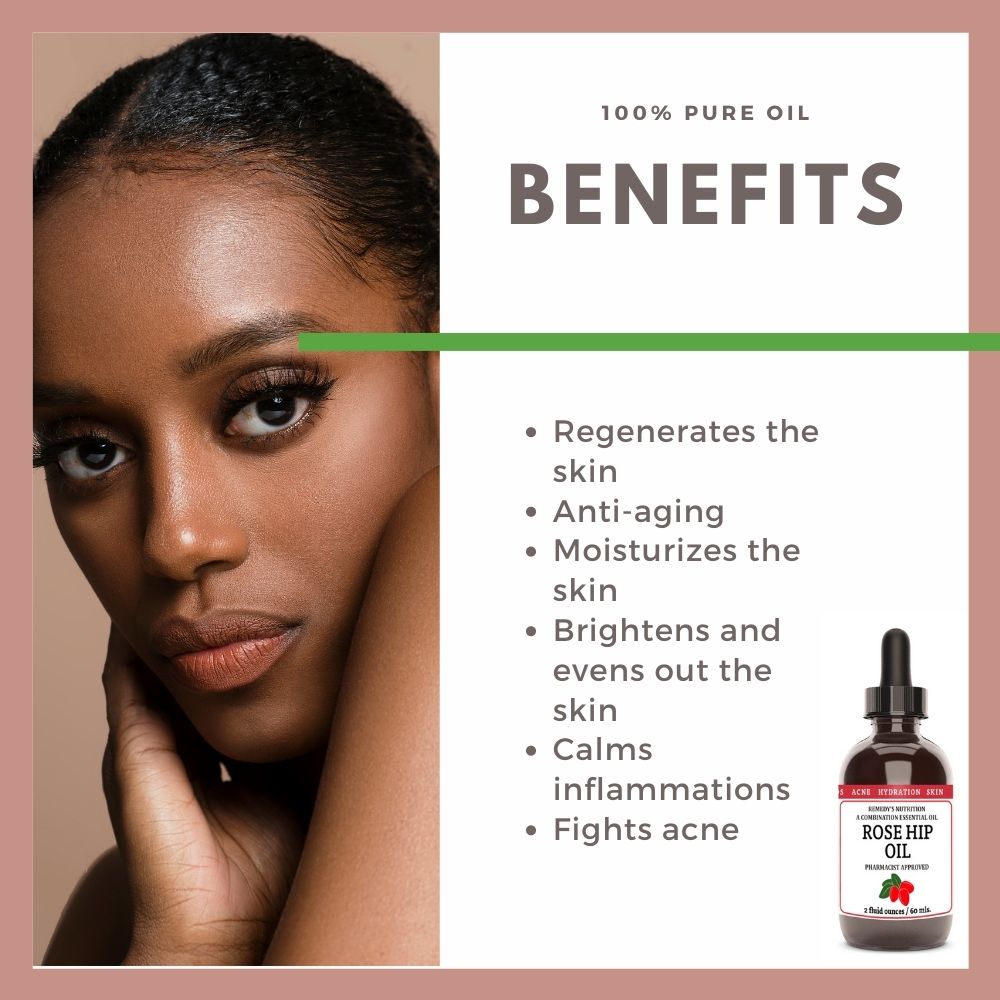
Unlike most plant oils, rose hip contains naturally occurring precursors to trans-retinoic acid — the active form of vitamin A used in prescription retinoids. These precursors, along with an exceptionally high linoleic acid content of 40 to 50%, make rose hip one of the most studied botanical oils for anti-aging, scar reduction, and hyperpigmentation.
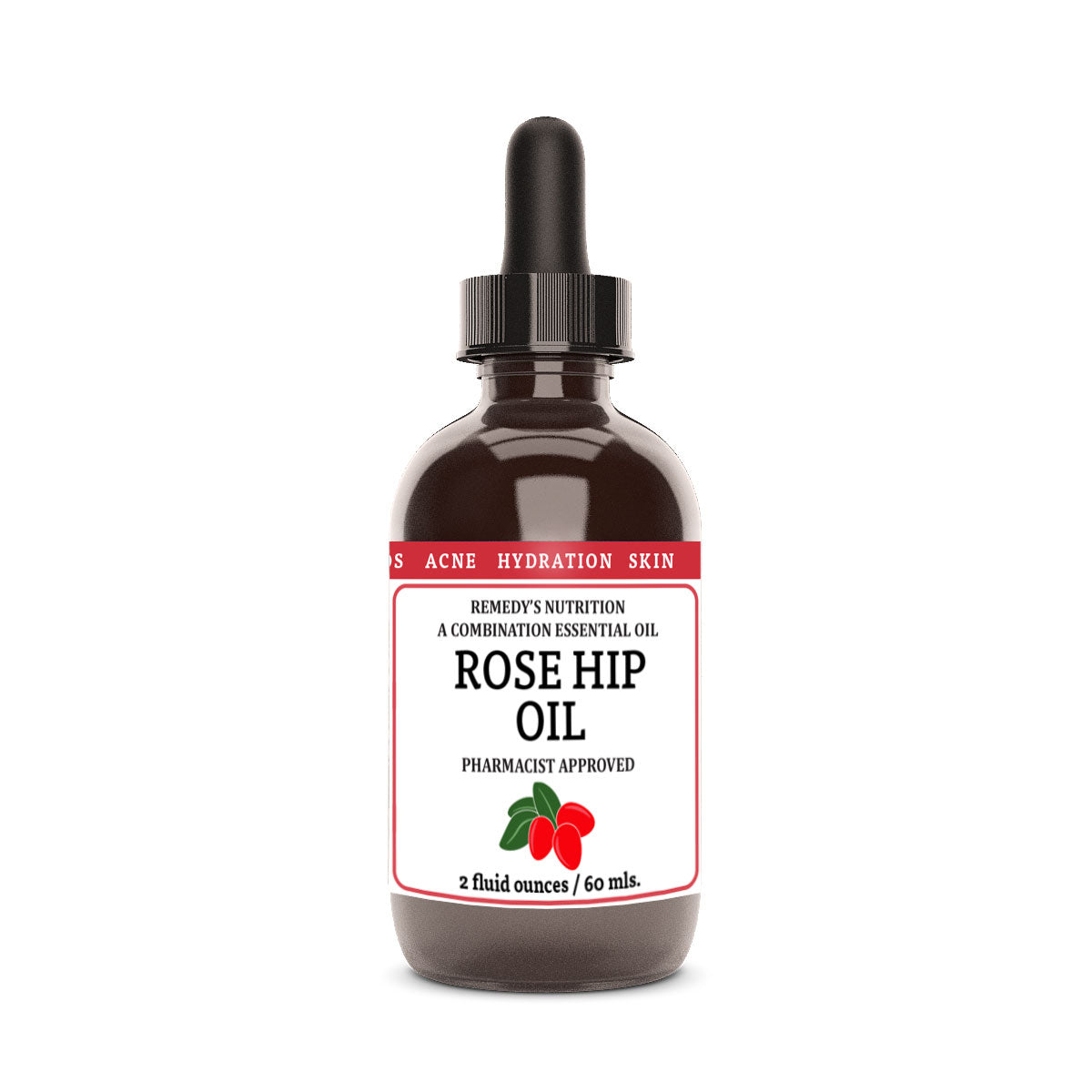
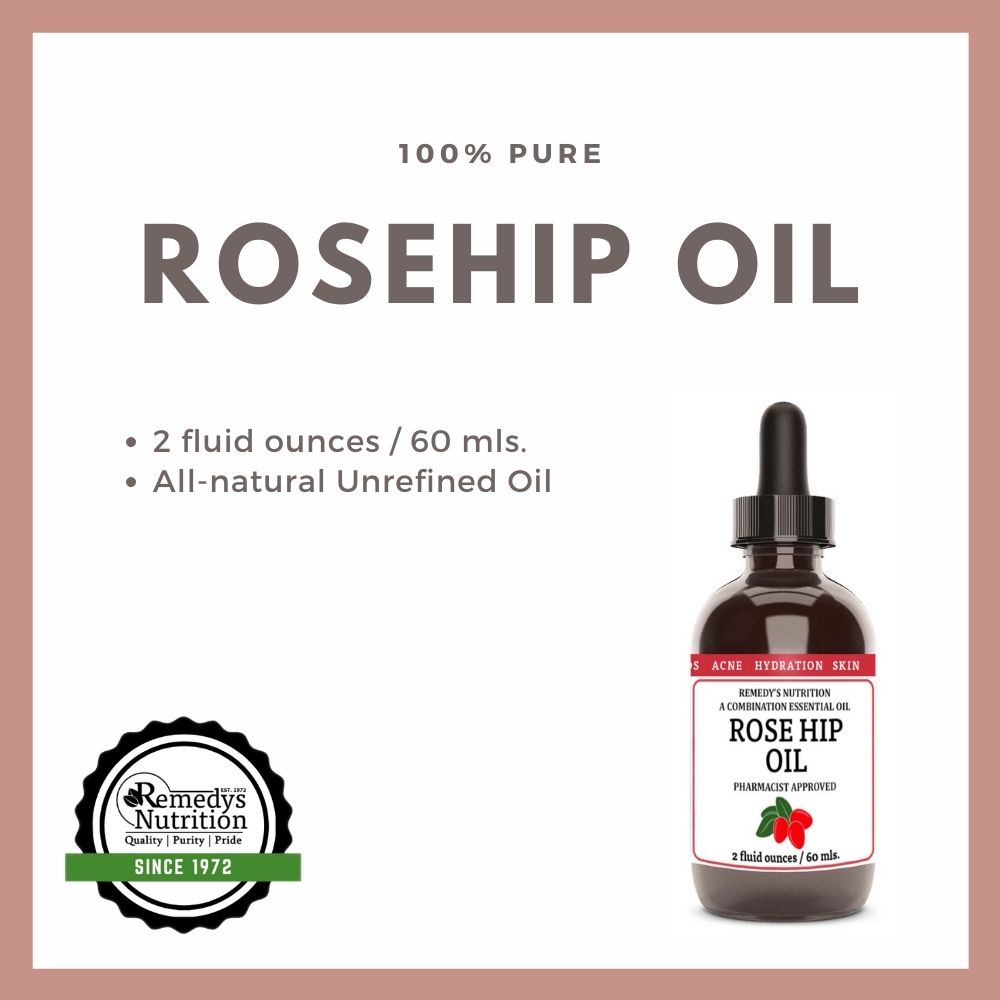
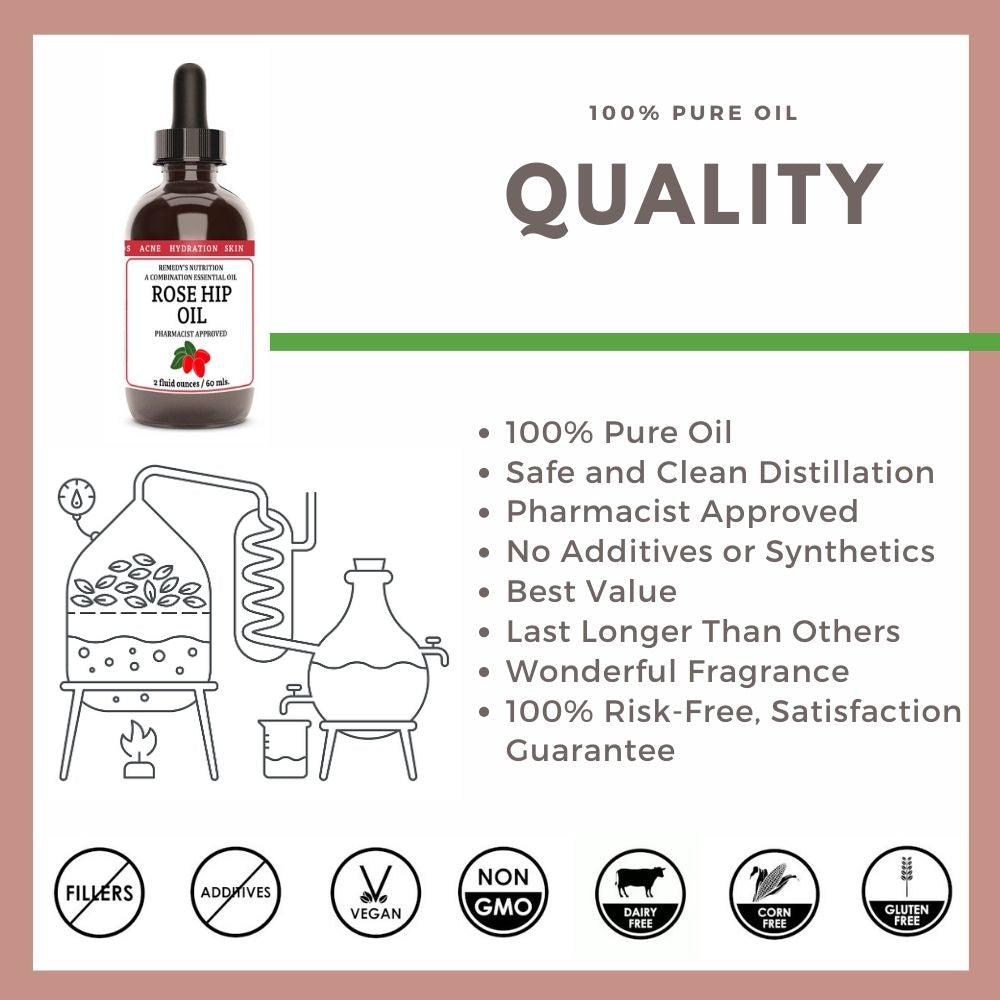
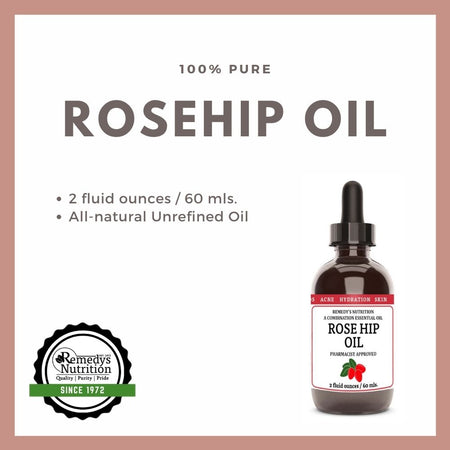
Remedy—s Rose Hip Oil is bottled in a 2 oz format — the ideal size given that rose hip oxidizes more quickly than heavier carrier oils. A 2 oz bottle used consistently lasts approximately 2 to 3 months, keeping the oil within its optimal freshness window.
Rose Hip Oil Benefits: Evidence Summary
Rose hip oil has been evaluated in more than a dozen published clinical trials. Most studies use concentrations of 100% cold-pressed oil applied topically once or twice daily over 6 to 12 weeks.
| Benefit |
Key Finding |
Typical Use |
| Scar reduction |
A 12-week RCT found a 45% improvement in post-surgical scar appearance vs. untreated control |
Daily application on healed scars |
| Hyperpigmentation |
Retinoic acid precursors inhibit tyrosinase; visible lightening in 6 to 8 weeks of consistent use |
Dark spots, sun damage, melasma |
| Anti-aging / wrinkle reduction |
Collagen synthesis stimulated by retinoic acid precursors; 8-week study showed measurable reduction in periorbital wrinkle depth |
Eye area, forehead lines |
| Skin barrier repair |
Linoleic acid (40—50%) replenishes ceramide-deficient skin; improves TEWL scores by up to 20% after 4 weeks |
Dry, eczema-prone, or post-procedure skin |
| UV damage recovery |
Beta-carotene and lycopene provide antioxidant support; reduces oxidative stress markers after sun exposure |
Evening application after sun exposure |
| Stretch mark prevention |
A 2013 study (n=80) found rose hip oil users showed significantly less stretch mark formation vs. placebo during pregnancy |
Abdomen and thighs during pregnancy |
| Overall complexion evenness |
Combined retinoic precursor and vitamin C ester precursor activity; 70% of participants in 1 study reported improved skin tone after 8 weeks |
Daily face serum |
How Rose Hip Oil Works
The skin-renewing reputation of rose hip oil traces back to 3 active mechanisms working simultaneously. First, its retinoic acid precursors — particularly all-trans retinoic acid formed metabolically from the oil—s beta-carotene fraction — stimulate fibroblast activity and accelerate cell turnover at a rate comparable to low-dose topical retinoids, but without the irritation associated with prescription tretinoin.
Second, the high linoleic acid content (40 to 50%) directly addresses the ceramide deficiency found in aged and photo-damaged skin. Ceramides are the glue of the skin barrier; when linoleic acid is applied topically, it integrates into lamellar body structures and helps restore proper barrier function within 2 to 4 weeks of daily use.
Third, the vitamin C precursors and carotenoids contribute antioxidant protection that slows the oxidative degradation of existing collagen. Together, these 3 mechanisms — cell turnover, barrier restoration, and antioxidant defense — explain why rose hip oil produces more visible skin improvements than most single-mechanism botanical oils.
Rose Hip Oil for Anti-Aging and Hyperpigmentation
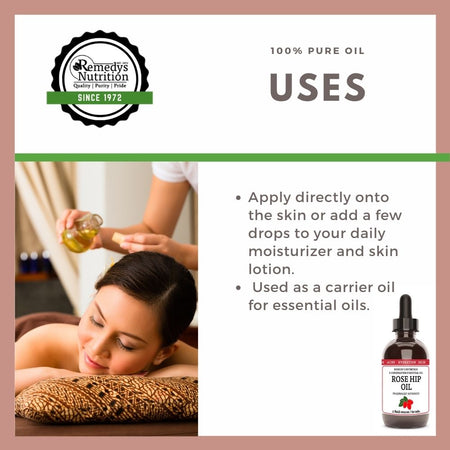
Anti-aging is the most researched application of rose hip oil. For wrinkle reduction, apply 3 to 4 drops to clean dry skin each evening, focusing on the forehead, around the eyes, and nasolabial folds. The retinoic acid precursors work overnight during the skin—s natural repair cycle. Expect initial results — softer texture and slightly more even tone — within 3 to 4 weeks. Measurable wrinkle depth reduction typically appears at 8 weeks.
For hyperpigmentation, the same nightly routine applies, but patience is required: tyrosinase inhibition is gradual. Most users see visible lightening of dark spots over 6 to 12 weeks of consistent use. Pairing rose hip oil with frankincense essential oil (2 drops per 30 ml rose hip) enhances the anti-inflammatory component, which is relevant when hyperpigmentation has a post-inflammatory origin.
Blending with lavender essential oil at 1% (6 drops per 30 ml) adds calming and mild antibacterial properties, making the blend useful for post-acne marks as well as sun-induced pigmentation.
Rose Hip Oil for Scars and Dry or Mature Skin
Scar reduction is perhaps the most documented benefit of rose hip oil. The key is application timing: begin using rose hip oil only after the wound has fully closed and epithelialized — typically 2 to 4 weeks post-injury or post-surgery. Applying to open or partially healed wounds is contraindicated.
Once the skin is fully closed, apply 2 to 3 drops directly to the scar tissue and massage gently in circular motions for 60 seconds twice daily. The combination of cell turnover stimulation and barrier repair accelerates scar remodeling. Studies report the most significant improvements in hypertrophic and surgical scars; results on older keloid scars are more variable.
For dry or mature skin, rose hip oil is exceptional as a standalone serum or blended 50/50 with almond oil for a lighter, more affordable daily moisturizer. Mature skin particularly benefits from the combined retinoic precursor activity and the emollient properties that reduce the appearance of dry, crepey texture.
Adding clary sage at 1% to a rose hip base creates a targeted blend for hormonal skin changes — useful for mature skin experiencing increased sensitivity and uneven texture during perimenopause.
Why Choose Remedy—s Rose Hip Oil
| What You Get |
Why It Matters |
| Cold-pressed, unrefined |
Preserves retinoic acid precursors, beta-carotene, and linoleic acid — refining destroys all 3 within the first 30 minutes of heat exposure |
| Deep orange-red color |
Visual confirmation of intact lycopene and carotenoid content; pale oil has been depleted |
| 2 oz bottle |
Rose hip oxidizes within 12 months of opening; 2 oz ensures you use the full bottle at 2 to 3 drops/day before rancidity |
| No added fragrance or carriers |
100% pure concentration means each drop delivers full therapeutic potency — diluted products require larger doses to achieve the same effect |
| Dark glass packaging |
UV light degrades beta-carotene and retinoic precursors within weeks in clear containers; dark glass provides essential protection |
| Sourced from Rosa canina |
This species consistently yields the highest trans-retinoic acid precursor content in independent analyses — up to 3x more than Rosa mosqueta in some comparisons |
How to Use Rose Hip Oil
| Goal |
Amount |
Method |
Notes |
| Anti-aging night serum |
3 to 4 drops |
Apply to clean dry face; gently press in |
Use in the evening; retinoid precursors can increase photosensitivity — always use SPF 30+ in the morning |
| Hyperpigmentation treatment |
2 to 3 drops |
Apply to spots after cleansing nightly |
Visible results in 6 to 12 weeks; continue through the full cycle |
| Scar massage |
2 to 3 drops |
Circular massage for 60 seconds; 2x daily |
Begin only on fully closed skin — wait at least 2 to 4 weeks post-wound |
| Under-eye treatment |
1 drop per eye |
Pat (do not rub) the orbital bone area |
Avoid direct contact with the eye; if irritation occurs, dilute 50/50 with almond oil |
| Body moisturizer blend |
50% rose hip + 50% almond oil |
Mix in palm; apply after shower |
Extends shelf life and reduces cost while maintaining active benefits |
| EO anti-aging blend |
30 ml rose hip + 6 drops frankincense |
Mix in dark glass bottle; use nightly |
1% frankincense concentration — safe and effective for fine lines |
Sun Sensitivity: Rose hip oil—s retinoic acid precursors can mildly increase photosensitivity. Always apply at night or use SPF 30 or higher sunscreen during the day when using rose hip oil as part of your routine.
Patch Test First: Despite being natural, rose hip oil is bioactive. Apply a small amount to the inner forearm for 24 hours before applying to the face. Those with rosacea or highly reactive skin should start every other night to assess tolerance.
Shelf Life: Refrigerate after opening. Discard within 12 months of opening or if the oil develops a fishy or rancid odor — degraded rose hip oil is pro-inflammatory and should not be used on skin.
Rose Hip Oil FAQ
What does rose hip oil do for skin?+
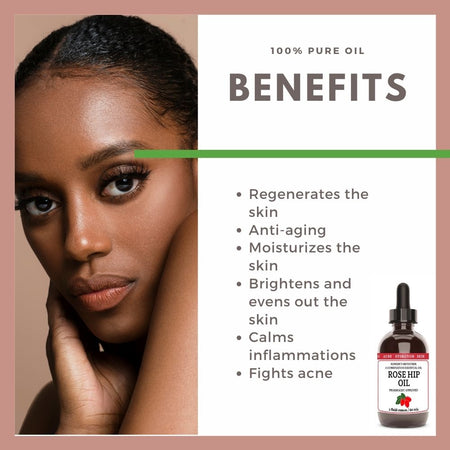
Rose hip oil delivers 3 primary skin benefits: it accelerates cell renewal through retinoic acid precursors, repairs the skin barrier through its 40 to 50% linoleic acid content, and reduces oxidative stress through beta-carotene and lycopene. Clinical studies show consistent improvements in wrinkle depth, skin tone evenness, and scar appearance after 8 to 12 weeks of daily use. It is particularly effective for dry, mature, or sun-damaged skin.
Does rose hip oil reduce scars?+
Yes, with documented evidence. A randomized controlled trial measuring 80 patients found rose hip oil applied twice daily reduced post-surgical scar redness and texture by approximately 45% over 12 weeks compared to untreated control. The results are strongest on post-surgical and post-acne scars. Keloid scars — raised fibrous tissue — respond less predictably and may require 6 or more months. Begin application only after the wound is fully closed — at least 2 to 4 weeks post-injury.
How long until I see results with rose hip oil?+
Most users notice improved skin texture and hydration within 2 to 3 weeks of daily use. Hyperpigmentation and dark spots typically require 6 to 12 weeks of consistent nightly application before visible lightening appears, since tyrosinase inhibition is a gradual process tied to the 28-day skin cell turnover cycle. Wrinkle depth improvements measured in clinical studies appear at the 8-week mark. Patience and consistency are more important than the amount applied.
Can I apply rose hip oil under eyes?+
Yes — the under-eye area is 1 of the most popular applications for rose hip oil. Use just 1 drop per eye, applied by gentle patting along the orbital bone rather than rubbing. Avoid direct contact with the eye itself. If you experience stinging or redness in the first 3 to 5 days, dilute 50/50 with sweet almond oil and allow a 1 to 2 week adjustment period before transitioning to undiluted use. Most people tolerate it well after the initial adjustment.
Does rose hip oil clog pores?+
Rose hip oil has a comedogenic rating of 1 on a 0 to 5 scale — among the lowest of any plant oil — primarily because of its high linoleic acid content. Linoleic-rich oils are generally non-comedogenic, unlike oleic-heavy oils. However, a small number of users with very oily or congestion-prone skin may react. Start with every-other-night application for the first 2 weeks and observe. If no new breakouts appear in that 14-day window, daily use is likely safe for your skin type.
How do I store rose hip oil?+
Refrigerate rose hip oil after opening. Cold temperature slows oxidation and extends useful life by 3 to 6 months beyond what room-temperature storage allows. Keep it in its original dark glass bottle — UV light degrades the active carotenoids within a few weeks in clear containers. An opened bottle stored in the refrigerator is best used within 12 months. Warming the bottle between your palms for 30 seconds before use makes it easier to dispense and apply.
How long does a 2 oz bottle last?+
A 2 oz (60 ml) bottle used at 3 to 4 drops per day for the face lasts approximately 2 to 3 months. At that rate, you use about 0.5 to 1 ml per day, and the bottle holds roughly 60 ml total. This aligns well with rose hip oil—s 12-month post-opening shelf life — you are very unlikely to waste product to oxidation. If you use it on face and under eyes daily, budget for a new bottle every 8 to 10 weeks.
What makes Remedy—s rose hip oil different?+
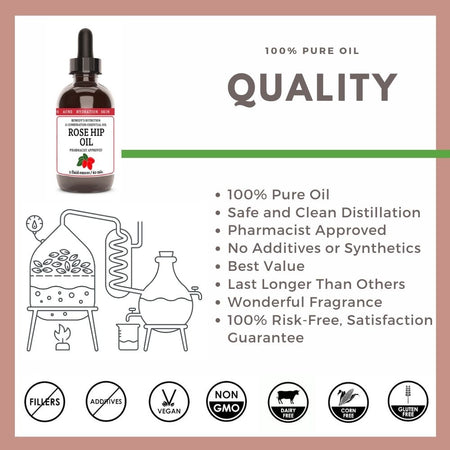
Remedy—s Rose Hip Oil is cold-pressed, unrefined, and 100% pure — no dilution with cheaper soybean or sunflower oil, which is common in the market. The deep orange-red color confirms intact beta-carotene and lycopene levels. The 2 oz bottle is a deliberate formulation choice: rose hip oil oxidizes significantly by 12 months post-opening, and 2 oz at 3 to 4 drops per day allows you to complete the bottle 2 to 3 times over within a year, ensuring every drop you use is at peak potency.
In-Depth Reading