
The best placebo-controlled trial of hibiscus tea used 3 cups a day for 6 weeks, each of 240 mL. Most recipes never say how much flower went into those 3 cups.
This guide does, using the amounts the human studies actually brewed.
Quick Answer: How Do You Make Hibiscus Tea?
Use 1.5 to 2.5 g of dried hibiscus calyces per 240 mL cup. Pour over water just off the boil, cover, steep 10 to 20 minutes, then strain. Trials brewed between 1.5 g per cup and 10 g a day. Drink it warm or chilled, and skip the sugar if your goal is blood pressure.
Key Takeaways
- Trials brewed 1.5 g of calyx per cup up to 10 g daily.
- A 2026 analysis advises starting at 2.5 g a day, not 10.
- Longer decoction, about 20 minutes, extracted more anthocyanins from the calyces.
- Pure hibiscus tea has 0 caffeine, though blends with green tea do.
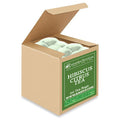
- Our Hibiscus Citrus Tea box holds 20 bags; no bag weight is published.
Related Products
What You Are Brewing
Hibiscus tea is made from the dried calyces of Hibiscus sabdariffa, the deep red, fleshy cups left after the flower drops. Shops often sell them as dried hibiscus flowers. Garden hibiscus petals come from a different plant and were never used in the trials.
- Look for: Hibiscus sabdariffa, roselle, sorrel or flor de jamaica.
- Form: whole or cut calyces, or tea bags.
- Colour: deep crimson in the cup.
- Taste: tart, a little like cranberry.
The calyces are the part used for hot and cold drinks in many parts of the world.[1]Phytochemical, pharmacological and toxicological aspects of Hibiscus sabdariffa L.: a review — Phytotherapy Research (2005) View source More on the roselle plant behind the cup and why the species matters.
How Much Hibiscus Goes in a Cup
The amount is the part recipes skip and trials did not. Across the human studies the strength ranged from a light single cup to a very strong daily brew, and these are the doses that were actually used.
| Source | Dried calyx | Water | Per day |
|---|---|---|---|
| 2008 urine study | 1.5 g per cup | 1 cup | 2 cups, 3 g |
| 2004 captopril trial | 10 g | 500 mL | Once, 10 g |
| 2021 Senegal trial | 10 g | 1 daily brew | 10 g |
| 2026 practice advice | 2.5 g to start | Not set | 2.5 g, then adjust |
| 2010 placebo trial | Not stated in the abstract | 240 mL per cup | 3 cups |
A cup of 1.5 to 2.5 g sits inside that range. Three a day, as in the three cups a day used in the trial, brings you to 4.5 to 7.5 g, still below the 10 g brews used in the 2004 captopril trial.[2]Effectiveness and tolerability of a standardized extract from Hibiscus sabdariffa in patients with mild to moderate hypertension — Phytomedicine (2004) View source
The 1.5 g cup comes from a 2008 study that served it twice daily for 15 days.[3]Uricosuric effect of Roselle (Hibiscus sabdariffa) in normal and renal-stone former subjects — Journal of Ethnopharmacology (2008) View source Weigh your calyces once on a kitchen scale, because cut and whole calyces fill a spoon very differently.

Step by Step
This method follows the trials as closely as a home kitchen can. It makes 1 cup; for a jug, multiply everything and keep the strength the same, so that every cup you drink this week matches the last.
- Weigh 1.5 to 2.5 g of dried calyces into a pot or a large mug.
- Pour over 240 mL of water just off the boil.
- Cover and steep for at least 10 minutes; 20 extracts more.
- Strain, then drink it warm or let it cool and chill it.
A 2026 analysis of 3 trials found a 20-minute decoction pulled out more anthocyanins than 10 minutes, while hibiscus acid stayed steady.[4]Is the antihypertensive activity of Hibiscus sabdariffa affected by factors such as origin of the plant and time of decoction? — Journal of Human Hypertension (2026) View source The same authors advise starting at 2.5 g a day and adjusting to your readings.
Hot, Iced or Cold-Brewed
Hibiscus is drunk hot in some countries and iced in many more. The trials used hot water, so a hot brew chilled afterwards is the closest match. Cold-brewing works for flavour, but no study has measured what it extracts.
- Hot, then chilled: closest to the trials; keeps in the fridge.
- Cold brew: a gentler taste, with extraction unmeasured.
- Iced from a concentrate: brew double strength and pour over ice.
- Sweetened agua de jamaica: often carries a lot of sugar.
Sugar works against the reason most people drink it. If you need sweetness, use a little and keep it the same every day, so your readings stay comparable.

What to Mix With It
Hibiscus pairs well with ginger, cinnamon, mint and citrus. Mixing it with caffeinated tea changes more than the flavour, and drinking it with some tablets can change how they work, so it is worth choosing deliberately.
- Green or black tea: adds caffeine; hibiscus raised caffeine's peak level 10.3%.
- Lemon or lime: fine for flavour.
- Ginger or cinnamon: common pairings, untested together.
- Tablets: take them with water, not with hibiscus.
The caffeine finding came from 6 volunteers given a single 200 mg dose.[5]In vitro modulation of cytochrome P450 isozymes and pharmacokinetics of caffeine by extracts of Hibiscus sabdariffa calyx — Journal of Basic and Clinical Physiology and Pharmacology (2019) View source
Who Should Check First
One cup of hibiscus is a drink, but 3 cups a day for weeks is a dose. With stones or kidney disease, read what it means for your kidneys before making it a habit.
- Blood pressure medicine: the effects could add up.
- Pregnancy or breastfeeding: 0 human trials, so avoid it.
- Kidney disease or stones: ask your specialist.
- Chloroquine, simvastatin or warfarin: drug levels changed in small studies.
Each of these calls for a conversation with your clinician before you brew at trial strength.
If You Would Rather Not Brew
Our Hibiscus Citrus Tea is a box of 20 tea bags, brewed 1 bag per cup for 2 to 3 minutes. Its page gives no weight per bag and no full ingredient list, so we cannot tell you how a cup compares with a trial cup.
- Tea bags: 20 per box, convenient, strength unknown.
- Loose calyces: weigh them for a known strength.
- Capsule: 1,000 mg of Hibiscus sabdariffa, no brewing.
- Pick 1 form: so your daily total stays clear.
Speak to a Clinician Before Drinking Hibiscus Daily If
- You take blood pressure medicine or a diuretic such as hydrochlorothiazide
- You take chloroquine, simvastatin, warfarin or another medicine with a narrow margin
- You take insulin or another glucose-lowering medicine
- You are pregnant, trying to conceive or breastfeeding
- You have kidney disease, kidney stones or blood pressure that already runs low
For a fixed amount without the kettle, hibiscus in capsule form is the simplest choice.

Frequently Asked Questions
How to make hibiscus tea at home? +
Steep 1.5 to 2.5 g of dried calyces in 240 mL of just-boiled water, covered, for 10 to 20 minutes, then strain. Drink it warm or chilled.
How much hibiscus for 1 cup of tea? +
About 1.5 to 2.5 g of dried calyces per 240 mL cup. A 2008 study used 1.5 g per cup; a 2004 trial used 10 g in 500 mL, which is far stronger.
How to make hibiscus tea for high blood pressure? +
Brew it at a steady strength and drink 3 cups a day for 6 weeks, as in the 2010 trial, while logging your readings. Ask your clinician first if you take any medicine.
What is best paired with hibiscus tea? +
Ginger, cinnamon, mint and citrus are the usual pairings. 0 of these combinations has been tested in a trial, so choose them for taste.
Can you mix hibiscus tea and green tea together and drink it? +
Yes, but the mix contains caffeine. In 6 volunteers, hibiscus raised caffeine's peak blood level by 10.3%, so go easy if caffeine makes you jittery.
Does hibiscus tea have caffeine? +
Pure hibiscus tea has 0 caffeine. Blends that add green, black or white tea do contain it, so check the ingredient list.
Is hibiscus tea better hot or cold? +
The trials used hot water, so brewing hot and then chilling matches them best. 0 studies have measured what a cold brew extracts.
How long should hibiscus tea steep? +
At least 10 minutes. A 2026 analysis found a 20-minute decoction extracted more anthocyanins and advised it for blood pressure use.
How many cups does a Hibiscus Citrus Tea box make? +
The box holds 20 tea bags at 1 bag per cup, so 20 cups. At 3 cups a day that lasts just under 7 days.
Related Reading
- Hibiscus Side Effects and Drug Interactions
- Should You Skip Hibiscus While Pregnant?
- How Much Hibiscus per Day
Related Products