
Adrenal fatigue symptoms such as persistent tiredness, brain fog and afternoon crashes are real, but adrenal fatigue itself is not a recognized medical diagnosis. This hub guide covers the 10 symptoms people report, the 5 conditions that mimic them, and the tests doctors actually use.
Quick Answer: Adrenal Fatigue Symptoms
Adrenal fatigue symptoms include persistent exhaustion, brain fog, afternoon crashes, salt or sugar cravings and low stress tolerance. The Endocrine Society says adrenal fatigue is not a true medical condition, and the same symptoms occur with thyroid disease, anemia, sleep apnea and depression. Real adrenal insufficiency affects fewer than 279 per million people.
Key Takeaways
- Adrenal fatigue is not a recognized diagnosis; a 58-study review found none.
- Fatigue that lasts more than 2 weeks deserves a medical check.
- Real adrenal insufficiency affects fewer than 279 per million people.
- No test is validated for adrenal fatigue; 5 routine tests find other causes.
- Sleep, regular meals and stress habits are 3 first steps for 8 weeks.
Related Products
Shop Adrenal Support™
A 2-capsule daily herbal blend of 11 ingredients for adults whose doctor has found no other cause. It contains licorice root, so check blood pressure first.
Go to ShopShop Cortisol Surfer™
Ashwagandha, L-theanine, rhodiola and hibiscus with 200 mg of vitamin C per 2-capsule serving. A stress-routine add-on, not a test or a diagnosis.
Go to ShopUnderstanding Adrenal Fatigue: Basics and Impact

Adrenal fatigue is a popular name for tiredness blamed on overworked adrenal glands. The Endocrine Society says no scientific proof supports it as a true condition,[1]Adrenal Fatigue — Endocrine Society View source and a 2016 review of 58 studies found it unsubstantiated.[2]Adrenal Fatigue Does Not Exist: A Systematic Review — PubMed View source
Defining Adrenal Fatigue and Its Origins
The term was introduced in 1998 by chiropractor James Wilson. He described a syndrome in which the adrenal glands work below the needed level after prolonged stress. That claim has not been confirmed by testing, and endocrinology societies do not use the term.
The Role of Chronic Stress and Adrenal Gland Function
The adrenal glands are two small organs on top of the kidneys that make cortisol, aldosterone, adrenaline and noradrenaline.[3]Adrenal Gland Disorders — MedlinePlus View source Under stress the brain signals them to release hormones, and cortisol is normally highest in the morning and lower by evening.
| Gland part | Main hormones | Key role |
|---|---|---|
| Adrenal cortex | Cortisol, aldosterone | Energy use, blood pressure, salt balance |
| Adrenal medulla | Adrenaline, noradrenaline | Fast alertness and heart rate rise |
Chronic stress changes cortisol patterns, but not in one predictable way. A meta-analysis found cortisol is high when a stressor begins and often lower as time passes, depending on the type of stress.[4]Chronic Stress and the HPA Axis in Humans — PubMed View source Read what causes adrenal fatigue for the usual contributors.
Recognizing Adrenal Fatigue Symptoms
Fatigue is a symptom, not a disease, and its common causes include medical problems, medicines and lifestyle habits. MedlinePlus lists diabetes, thyroid disease, anemia, infections, sleep apnea, depression and anxiety among them, and advises contacting a provider if you have been tired for weeks.[5]Fatigue — MedlinePlus View source
Common Signs: Persistent Tiredness and Brain Fog
- Tiredness that sleep does not fix
- Brain fog and trouble concentrating
- Slow mornings that need caffeine to start
- Low tolerance for stress
- Feeling wired at night but exhausted by day
Other Indicators: Cravings, Weight Changes, and Low Energy
Cravings for salty or sweet food are common when you are stressed or short on sleep. Weight changes and afternoon crashes at 2 to 4 pm are also reported, and each has ordinary explanations.
| Symptom pattern | Common experience | Frequent non-adrenal causes |
|---|---|---|
| Morning exhaustion | Hard to wake, low motivation | Short sleep, sleep apnea, depression |
| Afternoon crash | Energy drops at 2 to 4 pm | Skipped meals, sleep debt, blood sugar swings |
| Brain fog | Forgetfulness, poor focus | Thyroid disease, B12 deficiency, anxiety |
| Food cravings | Strong pull to salty or sweet food | Stress eating, irregular meals, dehydration |
Tracking your pattern for 2 weeks helps a clinician see what is going on. Our guide to the 10 early signs of adrenal fatigue lists each sign with its other explanations.
Step-by-Step Guide to Diagnosing Adrenal Fatigue
There is no diagnostic test for adrenal fatigue, so the practical goal is to rule out conditions that are treatable. A primary-care review of fatigue says the history and physical examination should look for medicines, anemia, pregnancy and other common causes first.[6]Fatigue: An Overview — PubMed View source
- Write down your symptoms for 2 weeks: sleep, meals, caffeine, mood and energy.
- See your doctor and bring every medicine and supplement you take.
- Ask for 5 routine tests: blood count, thyroid hormone (TSH), glucose, vitamin B12 and ferritin.
- Screen for sleep apnea and depression if sleep or mood is poor.
- Ask about adrenal testing only if you have red flags such as weight loss, dizziness on standing or darkening skin.
Medical Evaluations: Blood and Saliva Testing
The Endocrine Society says no valid test detects adrenal fatigue and that blood or saliva tests sold for it are not backed by good studies. Cortisol tests are valid for different questions, such as Addison disease and Cushing syndrome.[7]Cortisol Test — MedlinePlus View source
Interpreting Cortisol and DHEA Levels
When adrenal insufficiency is suspected, doctors measure cortisol, ACTH and DHEA-sulfate early in the morning. A cortisol below 5 micrograms per deciliter points to primary insufficiency, while 5 to 10 is intermediate and calls for repeat testing or a stimulation test.[8]Adrenal Insufficiency in Adults: A Review — PubMed View source
| Result | What it suggests | Next step |
|---|---|---|
| Morning cortisol below 5 micrograms per deciliter | Possible adrenal insufficiency | Confirm with stimulation test |
| Morning cortisol 5 to 10 | Intermediate result | Repeat or stimulation test |
| Normal morning cortisol and normal routine labs | Adrenal disease unlikely | Look for lifestyle and other causes |
Natural Remedies and Lifestyle Adjustments

Lifestyle changes are the best-supported approach to stress-related tiredness, and they carry little risk. A meta-analysis of 58 trials found that stress management programs lowered cortisol modestly, with mindfulness and relaxation performing best.[9]Stress Management Interventions and Cortisol Meta-Analysis — PubMed View source
Diet, Supplements, and Stress Management Techniques
- Eat regular meals with protein, fiber and healthy fat
- Limit late caffeine and heavy sugar
- Practice 5 to 10 minutes of slow breathing or mindfulness daily
- Treat supplements as optional and discuss them with your doctor
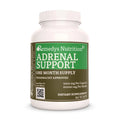
If you and your doctor decide to try a herbal formula, read the label first. Remedy's Nutrition Adrenal Support capsules list a 2,000 mg blend of 11 ingredients, including licorice root and ashwagandha, without per-herb amounts, so they may not suit everyone.[10]Using Dietary Supplements Wisely — NCCIH View source
Improving Sleep Quality and Overall Well-Being
Sleep is the best-documented lever. Partial sleep deprivation raised next-evening cortisol by 37 percent in young men, and the nightly cortisol drop was delayed by at least an hour.[11]Sleep Loss Elevates Cortisol the Next Evening — PubMed View source
- Aim for 7 to 9 hours with a fixed wake time
- Keep the bedroom dark, cool and quiet
- Walk or do yoga rather than daily hard intervals while exhausted
Comparing Adrenal Fatigue and Adrenal Insufficiency
Adrenal insufficiency is a recognized, serious disease in which the body makes too little cortisol. Primary and secondary forms are rare, affecting fewer than 279 per million people, while insufficiency caused by steroid medicine is common.[12]Adrenal Insufficiency and Addison Disease — NIDDK View source
Understanding the Medical Differences
| Aspect | Adrenal insufficiency | "Adrenal fatigue" |
|---|---|---|
| Medical recognition | Recognized disease | Not a formal diagnosis |
| Cause | Autoimmune damage, infections, pituitary disease, steroid withdrawal | Unclear; usually multifactorial |
| Diagnosis | Morning cortisol, ACTH and stimulation test | No valid test |
| Treatment | Prescribed hormone replacement | Lifestyle changes and checking other causes |
Insufficiency can lead to an adrenal crisis, with low blood pressure, shock, confusion and a low blood sodium level. People with insufficiency are taught to raise steroid doses during illness and to carry injectable hydrocortisone.
This is why accurate diagnosis matters. A wrong label can delay care, and taking adrenal hormones when they are not needed can stop your own glands from working.
Adrenal Fatigue in Women: Hormonal Connections and Unique Symptoms
Women are more often told they have adrenal fatigue, partly because other hormonal changes overlap with it. Perimenopause usually begins in the 40s and brings irregular periods, hot flashes, trouble sleeping and mood changes, all of which cause daytime exhaustion.[13]Menopause — MedlinePlus View source
Why Symptoms Overlap
Cortisol and sex hormones share early steps in their production, and popular articles claim stress "steals" building blocks from sex hormones. That idea is a hypothesis, not an established finding, and claims of "estrogen dominance" caused by adrenal stress are unproven.
Symptoms More Common in Women
- Worsening PMS, mood swings and irregular cycles
- Hot flashes and night sweats in perimenopause
- Hair thinning, which also points to iron deficiency or thyroid disease
- Heavy periods that cause iron-deficiency fatigue
- Cold sensitivity, which overlaps with thyroid disease
Testing for Women
Ask your clinician for tests that change management: a blood count and ferritin for heavy periods, thyroid tests, and a pregnancy test when relevant. Hormone panels should be ordered for a specific reason. See our guide to adrenal fatigue in women for more.
Limitations of the Evidence
The evidence behind adrenal fatigue is weaker than most pages admit. The 2016 review found conflicting results across 58 studies, poor assessment of fatigue and cortisol methods not endorsed by endocrinologists. Gaps like these limit what any guide, including this one, can promise.
- No validated test or diagnostic criteria exist
- Supplement trials measure stress scores and cortisol, not adrenal function
- Most trials are small and last 8 to 12 weeks
- Long-term safety of most herbs is unknown
If new research changes this picture, guidance will change too. Until then, treat claims of cures or resets with caution.
Who Should Be Careful With Self-Treating Adrenal Fatigue
Some situations need medical care first rather than a supplement or a lifestyle plan alone. Talk to a doctor before you start anything new if any of these 6 apply to you, and bring your supplement labels.
- Steroid medicine now or recently: stopping it suddenly can cause adrenal insufficiency
- Weight loss, vomiting, belly pain or darkening skin: ask for adrenal testing
- Fainting, confusion or severe weakness: seek urgent care
- High blood pressure or kidney disease: avoid licorice root, which can cause serious adverse effects[14]Licorice Root — NCCIH View source
- Thyroid or autoimmune disease, or pregnancy: avoid ashwagandha unless your clinician agrees[15]Ashwagandha — NCCIH View source
- Blood thinners or planned surgery: some herbs raise bleeding risk, so tell your care team
Frequently Asked Questions
What are the most common symptoms of adrenal fatigue? +
Reported symptoms include tiredness that sleep does not fix, brain fog, afternoon dips between 2 and 4 pm, salt or sugar cravings and low stress tolerance. They are non-specific and also occur with thyroid disease, anemia and sleep apnea, so a doctor should check 5 common causes first.
Is adrenal fatigue a real medical diagnosis? +
No. The Endocrine Society says no scientific proof supports adrenal fatigue as a true condition, and a 2016 review of 58 studies agreed. Your symptoms are real, though, and doctors test for treatable causes such as adrenal insufficiency, thyroid disease and anemia.
How is adrenal fatigue different from adrenal insufficiency? +
Adrenal insufficiency is a rare, serious condition with measurably low cortisol that needs prescribed hormones, and it affects fewer than 279 per million people. Adrenal fatigue is a popular label for non-specific tiredness when adrenal tests are normal.
What tests can diagnose adrenal fatigue? +
None. No validated test exists. For possible adrenal insufficiency, doctors use early-morning cortisol and ACTH, then a 250 microgram cosyntropin stimulation test if needed. The Endocrine Society says saliva and blood panels sold for adrenal fatigue are not backed by good studies.
Can adrenal fatigue be treated naturally? +
There is no disease to treat, but tiredness often improves with 7 to 9 hours of sleep, regular meals, moderate exercise and stress reduction. Herbs such as ashwagandha have limited evidence and cautions, so check with your doctor first.
How long does it take to recover from adrenal fatigue? +
It varies, because adrenal fatigue is not a defined condition. Stress-related tiredness often improves over 4 to 12 weeks of better sleep, meals and stress habits. If you are no better after 12 weeks, or worse after 2 weeks, see a doctor for tests.
What are the warning signs of an adrenal crisis? +
Adrenal crisis is an emergency in people with adrenal insufficiency: severe weakness, vomiting, belly pain, confusion, fainting and dangerously low blood pressure. Call emergency services at once. It is treated with injectable hydrocortisone, often 100 mg, and can follow illness or sudden steroid withdrawal.
Why don't doctors believe in adrenal fatigue? +
Studies have not shown it exists as a distinct condition: a 2016 review of 58 studies found conflicting results and no validated test. Doctors worry the label can delay diagnosis of treatable problems. Many still take your symptoms seriously and test for 5 or more other causes.
Does magnesium help adrenal fatigue? +
Magnesium has not been shown to treat adrenal fatigue. It may help if your intake is low or you have cramps or poor sleep. Supplements should stay under 350 mg a day for adults unless your doctor advises otherwise, and kidney disease needs medical advice first.
What should I eat for breakfast if I have adrenal fatigue? +
No special adrenal breakfast exists. Choose protein, fiber and healthy fat, such as eggs with vegetables or yogurt with nuts and berries, within 1 to 2 hours of waking. This steadies energy; limit sugary cereal and pastries that cause mid-morning crashes.
Adrenal Fatigue Guide Library
Understanding and Diagnosis
Diet and Foods
- The Best Diet for Adrenal Support: A Step-by-Step Guide
- 7-Day Adrenal Fatigue Meal Plan
- Foods for Adrenal Support
- The Top 10 Adrenal Superfoods You Need to Know
- Is Adrenal Fatigue Caused by Diet?
- Are Salts Good for Adrenal Fatigue? Celtic and Himalayan Salt
- Coffee and Adrenal Fatigue
Supplements and Herbs
- Nutrients and Supplements for Adrenals
- How to Choose an Adrenal Supplement
- Are Adrenal Supplements Safe? Potential Side Effects
- Adrenal Glandular vs Adaptogenic Herbs
- Licorice Root for Adrenal Support: Benefits and Risks
- Rhodiola Rosea for Adrenal Fatigue
- What Is Ashwagandha and How Does It Help Adrenal Fatigue?
- The Role of Vitamin C and B Vitamins in Adrenal Health
Lifestyle, Sleep and Stress
- Stress Management Techniques for Adrenal Fatigue
- 5-Minute Breathing Exercises to Calm Your Adrenals
- Sleep and Exercise for Adrenals
- Creating a Bedtime Routine for Optimal Adrenal Recovery
- Is Walking or HIIT Better for Adrenal Fatigue?
Holy Basil (Tulsi)
- What Is Holy Basil (Tulsi)?
- Holy Basil for Stress and Cortisol
- Holy Basil and Blood Sugar
- Holy Basil Dosage and How to Take It
- Holy Basil Side Effects and Who Should Avoid It
- Holy Basil vs Ashwagandha
- Tulsi Tea Benefits and How to Make It
Related Reading
- How to Test for Adrenal Fatigue at Home and With a Doctor
- The 4 Stages of Adrenal Fatigue
- Can Chronic Stress Really Cause Adrenal Fatigue?
- Adrenal Fatigue vs Hypothyroidism: What's the Difference?
- Lifestyle and Natural Remedies for Adrenal Recovery
Related Products
Shop Adrenal Support™
The brand-led, adrenal-focused option: 60 vegan capsules, 30 servings, one 2,000 mg blend of 11 herbs and amino acids. Read the licorice and ginkgo cautions first.
Go to ShopShop Cortisol Surfer™
A 5-ingredient formula without licorice root, in 60 vegan capsules, with vitamin C listed at 200 mg per serving.
Go to ShopLooking for More Options?
 Analysis & Consultations
Professional hair tissue mineral analysis and personalized wellness consultations.
 Daily Essentials
Foundational everyday supplements that cover the nutritional basics.
 Single Formulas
Pure single-ingredient herbal supplements — ashwagandha, rhodiola, and more.