What Is Yerba Mate?
Yerba mate (Ilex paraguariensis) is a South American tea plant consumed by an estimated 1 billion people across South America and growing global markets. Unlike Camellia sinensis teas, yerba mate delivers a unique stimulant trinity: caffeine (30–50 mg per 8 oz cup), theobromine (chocolate-like mood lift), and theophylline (mild bronchodilatory stimulant). Combined with naturally occurring L-theanine amino acids and a dense polyphenol profile, it produces a clean, sustained energy experience distinct from coffee. A comprehensive review published in the Journal of Food Science documented yerba mate's multifaceted health implications across cardiovascular, metabolic, and neurological parameters. [1]Yerba Mate Comprehensive Review Chemistry Health Implications — PubMed View source
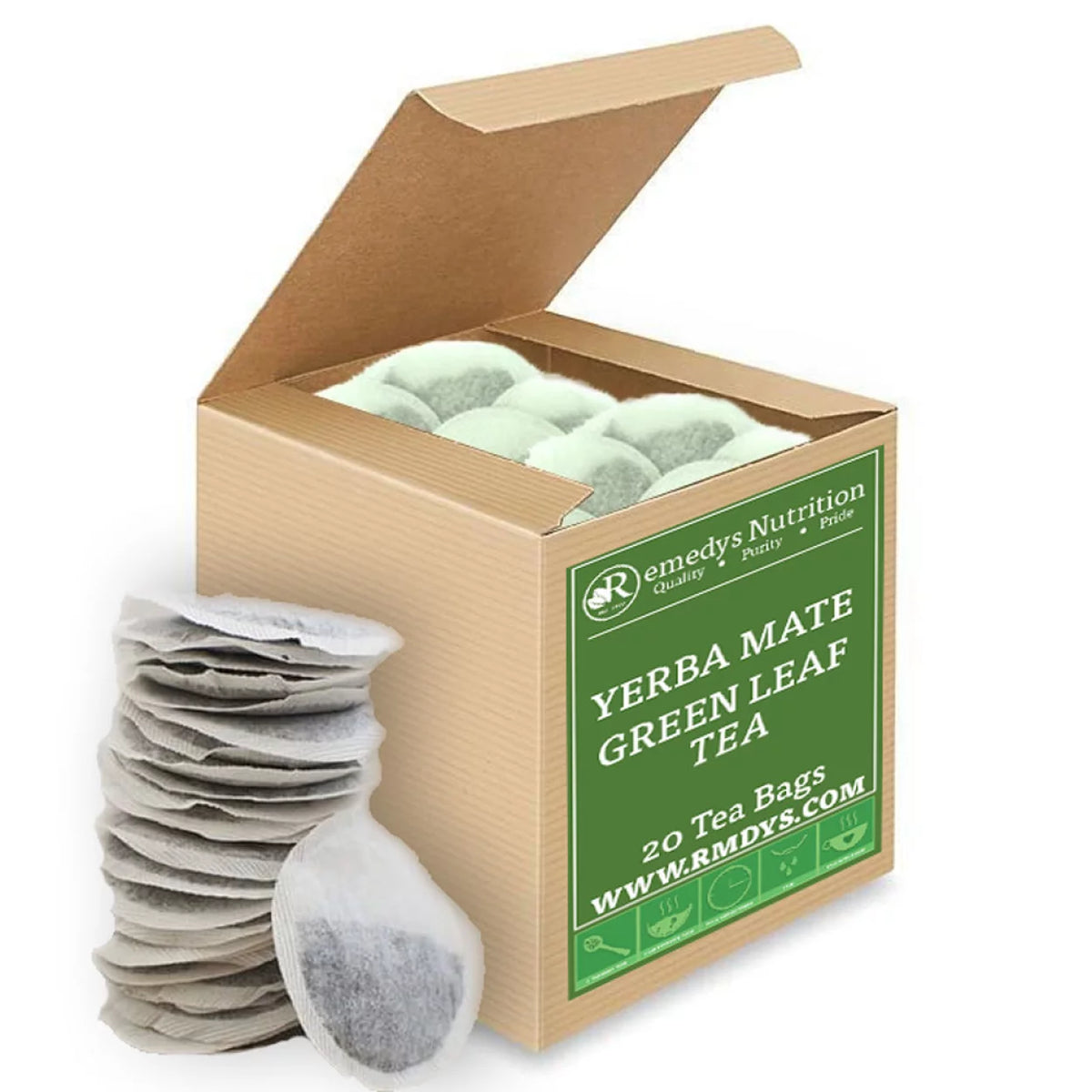
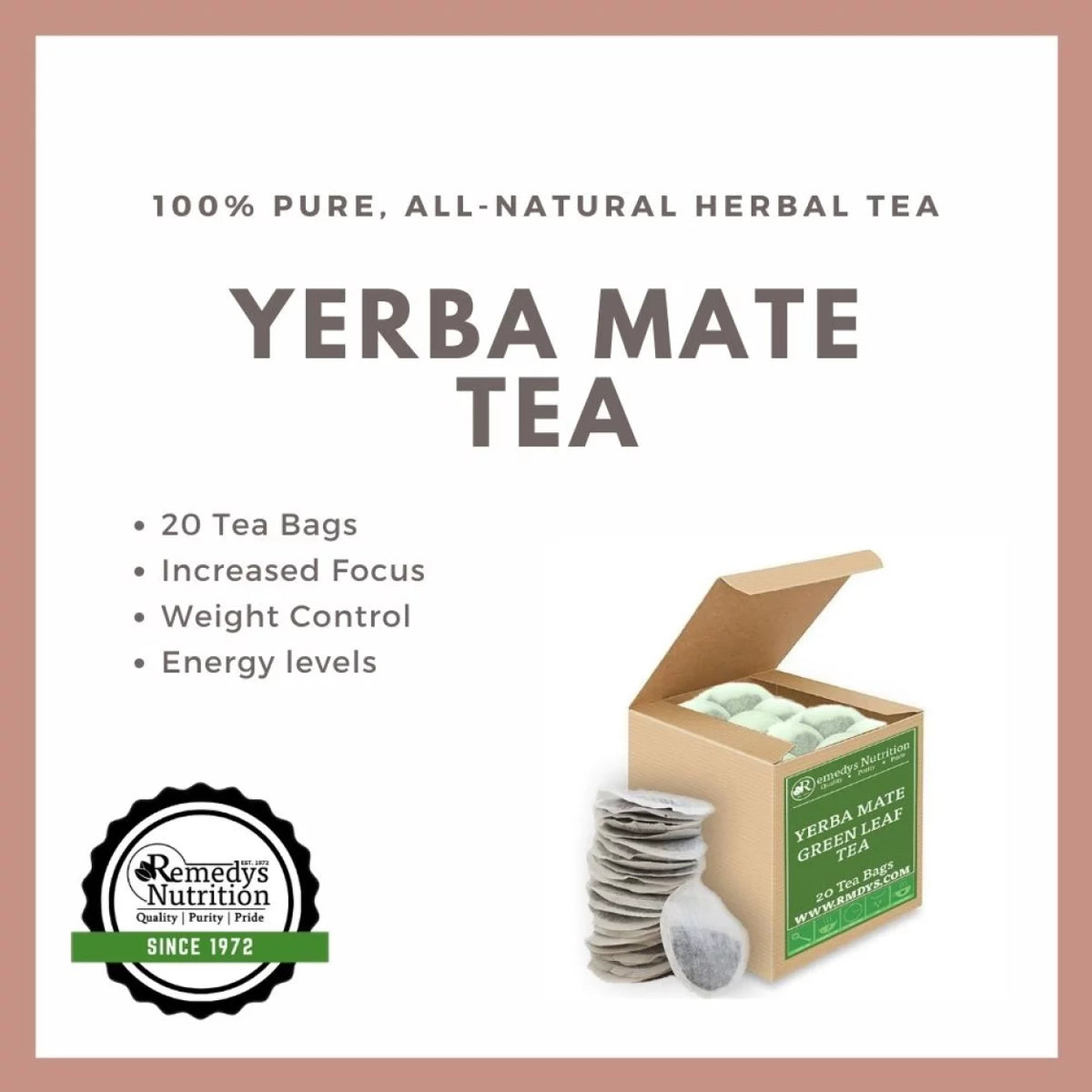
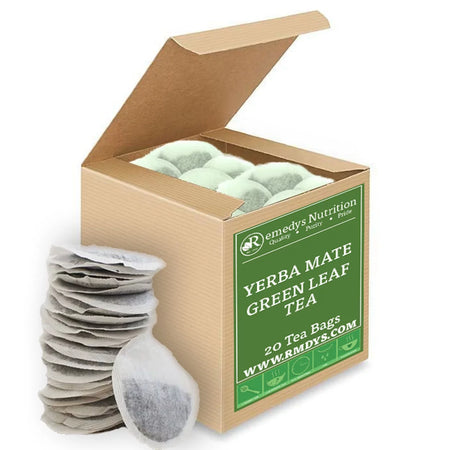
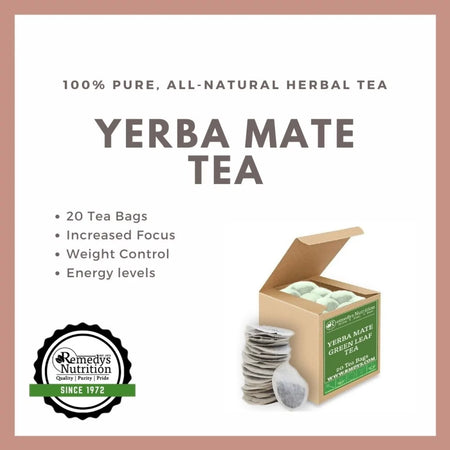
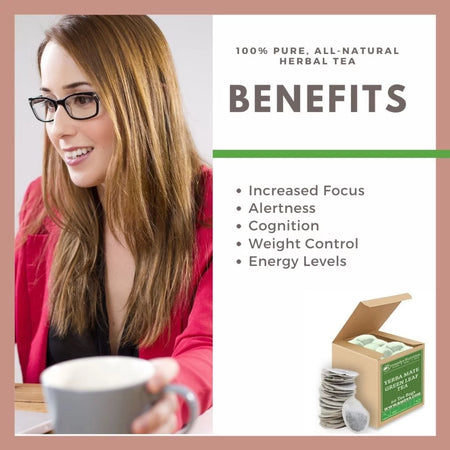
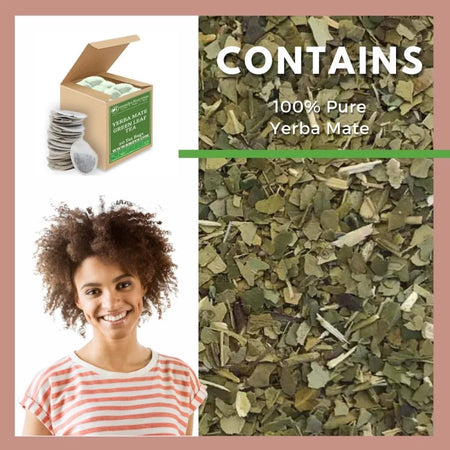
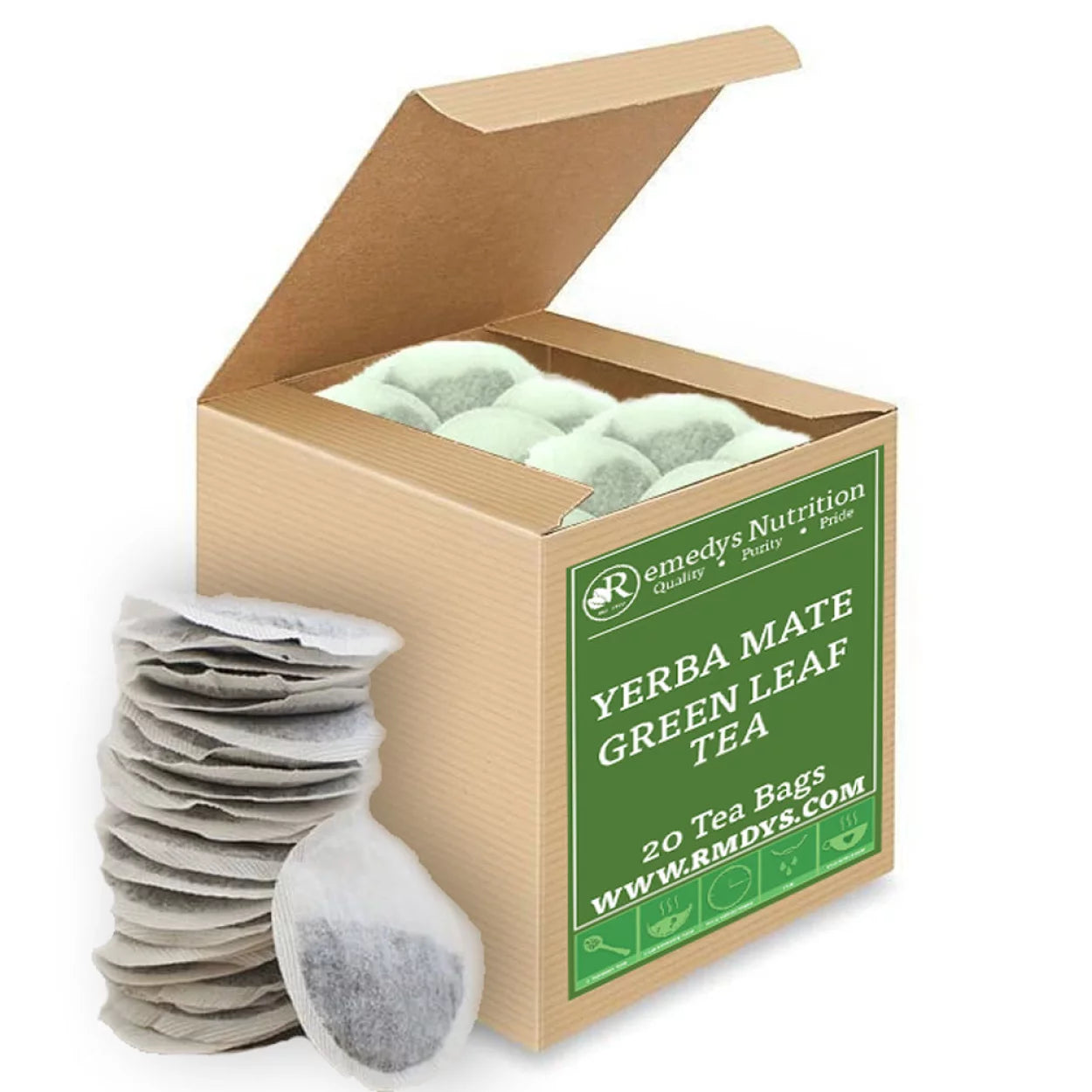
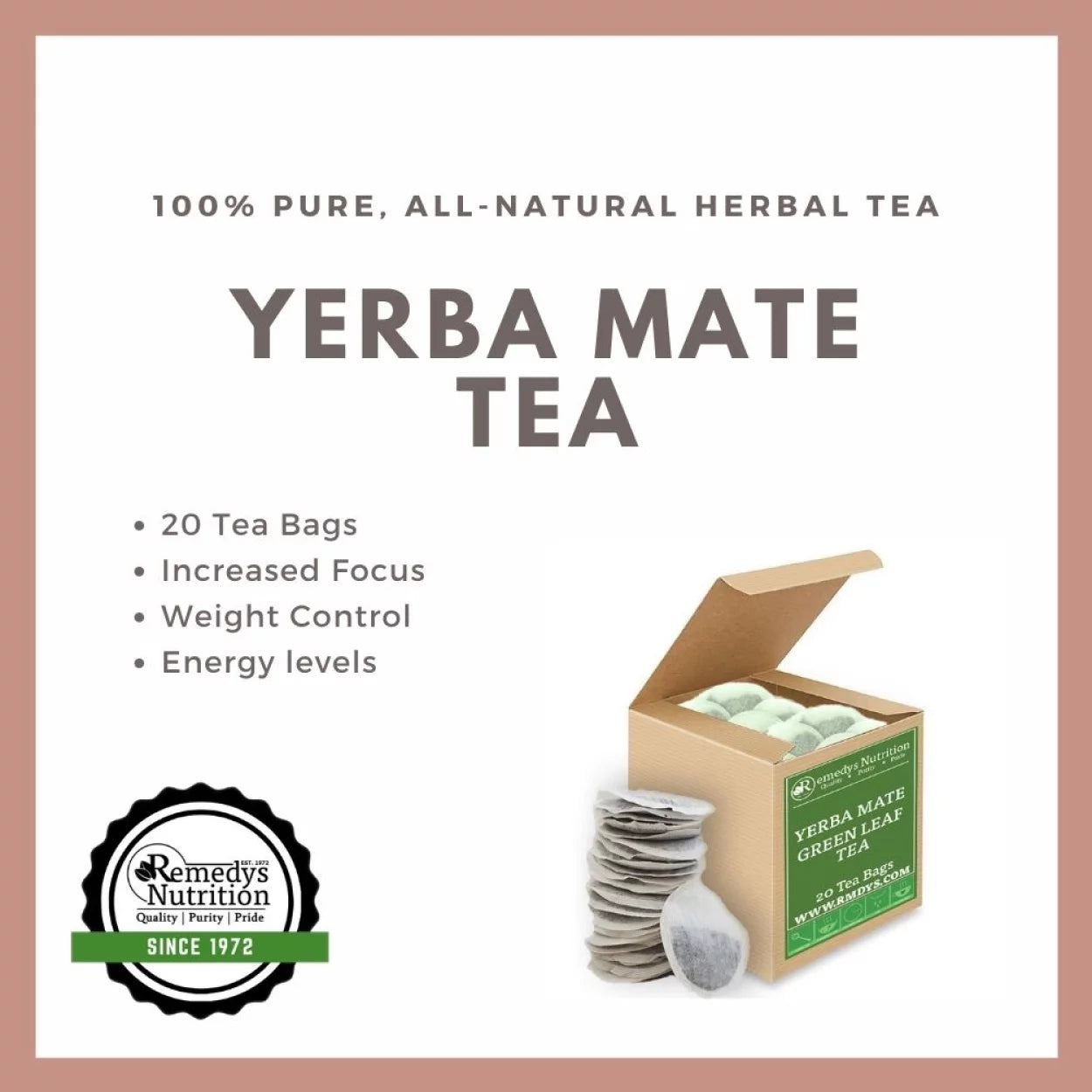
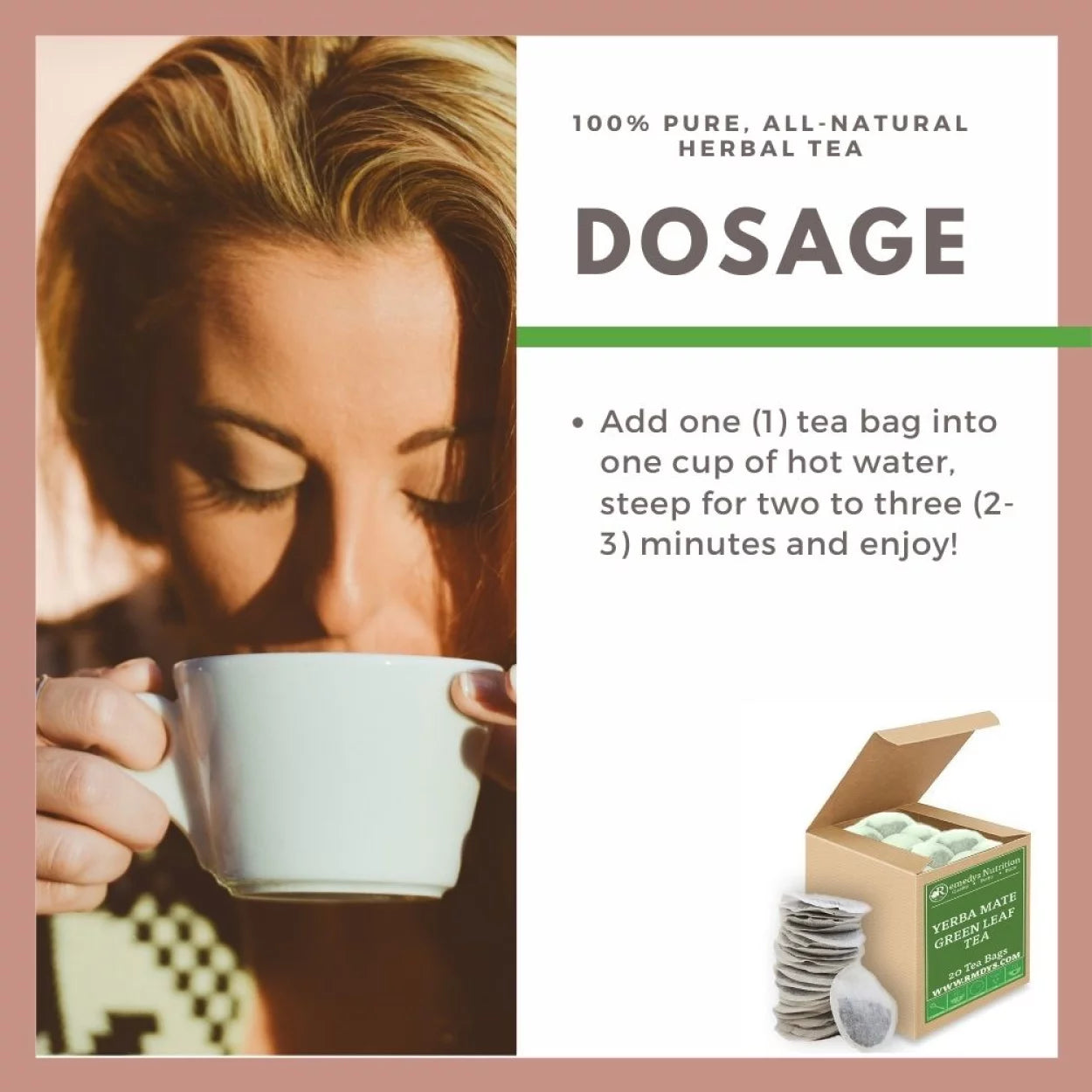
Remedy's Nutrition Yerba Mate Tea Bags contain 20 individually packaged servings for convenient daily use. The tea bags provide consistent extraction compared to loose-leaf traditional gourd preparation, with no specialized equipment required.
Key Compounds and How They Work
Yerba mate's effects come from a synergistic matrix of stimulant alkaloids, antioxidant polyphenols, and amino acid compounds—a combination not replicated by any single-compound energy product.
| Compound |
Content per Cup |
Primary Effect |
| Caffeine |
30–50 mg per 8 oz (half of coffee's 95 mg) |
Adenosine receptor antagonism; increases dopamine and norepinephrine; primary wakefulness and cognitive-speed driver |
| L-theanine (naturally occurring) |
Trace–low amounts (varies by origin) |
Alpha-wave promotion; modifies caffeine's stimulant profile toward calm-alert rather than anxious-alert |
| Theobromine |
Low amounts |
Longer-lasting, smoother stimulation than caffeine alone; mild vasodilatory and mood-elevating properties (same compound as cocoa) |
| Theophylline |
Trace amounts |
Mild bronchodilatory; contributes to "opened breathing" sensation; synergistic with caffeine for athletic performance |
| Chlorogenic acids |
200–400 mg per 8 oz (estimated) |
Primary antioxidant fraction; NF-kB inhibition; anti-inflammatory; metabolic modulation |
| Rutin, quercetin, kaempferol |
Present in polyphenol fraction |
Free-radical scavenging; anti-inflammatory; cardiovascular endothelial support |
What the Research Shows: Energy, Cognition, and Cardiometabolic Benefits
Yerba mate has been studied across cognitive performance, cardiovascular health, and metabolic support domains. A 2025 randomized controlled crossover trial found yerba mate had cardiometabolic beneficial effects in healthy and at-risk subjects including improved lipid profiles and antioxidant markers. [2]Yerba Mate Cardiometabolic Beneficial Effects — PubMed View source
| Benefit Area |
Key Research Finding |
Evidence Level |
| Cognitive performance |
Caffeine + L-theanine combination improves sustained attention, working memory, and reaction time vs caffeine alone (systematic review of 11 RCTs) |
Systematic review (2022) |
| Alertness and focus |
Caffeine at 75–100 mg improves vigilance, choice reaction time, and attention in 13 of 13 reviewed RCTs |
Meta-analysis / review |
| Cardiometabolic effects |
2025 RCT crossover: yerba mate improved lipid profiles and antioxidant status in both healthy and cardiometabolic-risk subjects |
RCT (2025) |
| Antioxidant activity |
EGCG-comparable antioxidant activity per gram; higher total polyphenol content than most green teas in comparative analyses |
Comparative analysis |
| Anti-inflammatory effects |
Green tea catechin-class polyphenols in yerba mate inhibit NF-kB and COX-2 pathways—same mechanism as established green tea anti-inflammatory research |
In vitro / review |
| Metabolic support |
Yerba mate may improve insulin sensitivity and reduce oxidative stress markers in metabolically at-risk populations |
RCT + observational |
Yerba Mate for Energy and Focus: The Caffeine-Theanine Synergy
The reason yerba mate produces a different subjective energy experience than equivalent-dose coffee is the co-presence of theobromine, theophylline, and L-theanine class compounds alongside caffeine. Research on the caffeine + L-theanine combination specifically demonstrates improvements in sustained attention accuracy, faster reaction times, and reduced mind-wandering compared to either compound alone. A 2008 RCT found the combination improved cognitive task accuracy and mood significantly more than caffeine alone at matched doses. [3]L-Theanine Caffeine Cognition and Mood Trial — PubMed View source
A systematic review of 11 caffeine + L-theanine studies confirmed this synergistic benefit: the combination produced superior performance on sustained attention tasks compared to placebo and also outperformed caffeine-only on "jitteriness" and alertness quality. [4]Caffeine L-Theanine Cognitive Enhancement Systematic Review — PubMed View source
For those interested in the full range of natural energy and focus options, our guide to energy and focus teas places yerba mate in the broader context of caffeinated and adaptogenic tea options.
Yerba Mate Antioxidant Profile vs Other Teas
Yerba mate contains a distinct antioxidant profile dominated by chlorogenic acids—a class different from green tea's EGCG catechins. This means yerba mate and green tea provide complementary, non-redundant antioxidant coverage. Together, they target different free-radical scavenging pathways. [5]Anti-Inflammatory Action of Green Tea Review — PubMed View source
| Tea Type |
Primary Antioxidants |
Caffeine per Cup |
Energy Profile |
Best Use Case |
| Yerba Mate (this product) |
Chlorogenic acids, rutin, quercetin |
30–50 mg |
Sustained, calm-alert, smooth |
All-day focus, cognitive work, morning energy |
| Green Tea |
EGCG catechins |
25–35 mg |
Mild, L-theanine modulated |
Antioxidant focus, gentle energy |
| Black Tea |
Theaflavins, thearubigins |
45–70 mg |
Strong, quick onset |
Morning wake-up, traditional breakfast tea |
| Coffee |
Chlorogenic acids (unbrewed), diterpenes |
95 mg average |
Strong, fast peak, short duration |
Acute alertness, single-dose performance |
| White Tea |
EGCG, catechins (less oxidized) |
15–30 mg |
Very gentle |
Sensitive caffeine responders |
Yerba Mate for Cardiovascular and Metabolic Health
Beyond energy and cognition, regular yerba mate consumption is associated with cardiometabolic benefits. Tea consumption broadly is linked to reduced cardiovascular mortality risk in meta-analyses of 38 cohort studies, and yerba mate specifically shows cardiovascular-favorable effects in RCT data. The 2025 crossover trial found improvements in LDL particle size, triglyceride levels, and total antioxidant capacity in both healthy adults and those with cardiometabolic risk factors. [6]Tea Consumption and Cardiovascular Mortality Meta-Analysis — PubMed View source
Chlorogenic acids in yerba mate may modulate hepatic glucose production, contributing to insulin sensitivity improvements observed in metabolic studies. This is the same mechanism that underpins coffee's documented inverse association with type 2 diabetes risk in epidemiological literature—and yerba mate and coffee share a similar chlorogenic acid base.
For those using herbal teas as part of an anti-inflammatory strategy, see how yerba mate compares to other polyphenol teas in our guide to teas for inflammation.
How to Brew Yerba Mate Tea Bags
Yerba mate tea bags allow convenient brewing without traditional gourd equipment. Proper temperature and steep time preserve the stimulant alkaloids and chlorogenic acid antioxidants while minimizing polyphenol bitterness.
| Brew Method |
Temperature |
Steep Time |
Notes |
| Standard hot brew |
70–80°C (158–175°F) |
3–5 minutes |
Lower temperature preserves L-theanine fraction and reduces bitterness; yerba mate is more bitter at boiling |
| Iced yerba mate |
Brew hot then chill, or cold-brew 6–8 hours |
6–8 hours cold |
Reduced caffeine, higher polyphenol-to-tannin ratio; excellent for afternoon energy without sleep disruption |
| Double-strength concentrate |
75°C (165°F) |
8–10 minutes (2 bags) |
For maximum cognitive effect; steep 2 bags in 8 oz; equivalent to approximately 70–90 mg caffeine |
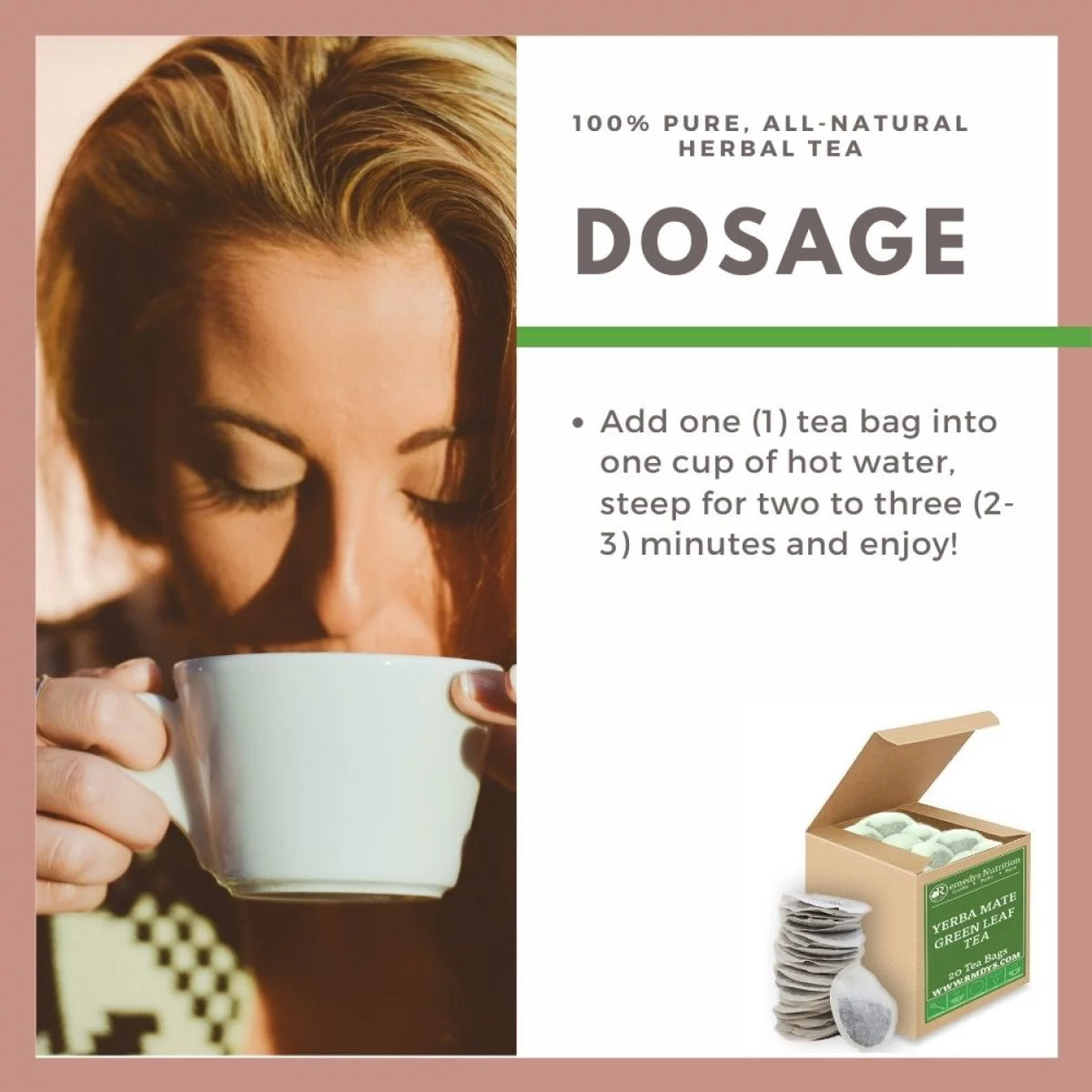
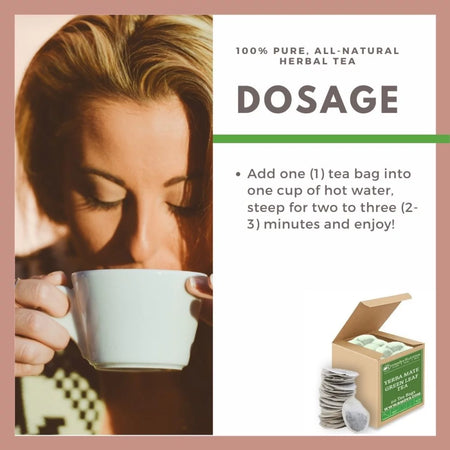
Each 20-count box provides 20 standard servings. At 1 bag per day, one box lasts approximately 3 weeks. At 2 bags (for double-strength), approximately 10 days. Recommended serving: 1 bag per cup, 1–2 cups per day. Avoid consuming after 2 PM if caffeine-sensitive to preserve sleep onset.
Why Choose Remedy's Nutrition Yerba Mate Tea Bags
| What You Get |
Why It Matters |
| Convenient 20-bag format |
No gourd or bombilla required; steep and go; ideal for office, travel, and gym use |
| Full-spectrum xanthine alkaloid profile |
Caffeine + theobromine + theophylline vs coffee's caffeine-only; smoother, more sustained energy curve |
| Anti-inflammatory chlorogenic acid base |
Distinct antioxidant class from green tea; pairs with green tea for broader daily polyphenol coverage |
| 2025 RCT cardiometabolic evidence |
Randomized controlled data supports lipid profile and antioxidant improvements at realistic consumption levels |
| 30–50 mg caffeine per cup |
Half the caffeine of coffee; suitable for caffeine-sensitive adults seeking cognitive support without overstimulation |
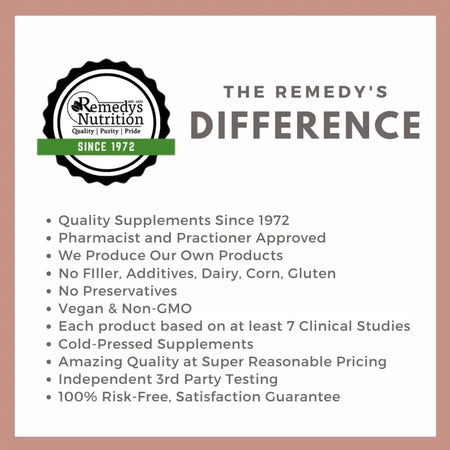
| Handcrafted in Key Largo, FL—pharmacist reviewed |
USA-sourced, quality-guaranteed, pharmacist-approved selection of premium Ilex paraguariensis
|
Drug Interactions and Cautions
Yerba mate contains caffeine and xanthine alkaloids. The following drug interactions and cautions apply to regular consumption of 2+ cups per day. At 1 cup/day, most interactions are low-risk for healthy adults. [7]Green Tea Interactions Cardiovascular Drugs Mechanism — PubMed View source
| Drug Class / Condition |
Interaction Mechanism |
Recommendation |
| Stimulants / ADHD medications (amphetamines, methylphenidate) |
Additive caffeine burden; increased heart rate, blood pressure, and anxiety risk with combined use |
Limit to 1 cup/day maximum if taking prescription stimulants; monitor heart rate and blood pressure |
| MAOIs (monoamine oxidase inhibitors) |
Caffeine metabolism is affected by MAO inhibition; increased caffeine plasma levels; potential hypertensive crisis |
Avoid or strictly limit; consult prescribing psychiatrist before any caffeinated beverage use with MAOIs |
| Blood thinners (warfarin) |
Yerba mate chlorogenic acids may weakly affect CYP1A2, modifying warfarin metabolism; also mild antiplatelet activity |
Inform anticoagulation provider; maintain consistent intake rather than variable to stabilize INR |
| Blood pressure medications (antihypertensives) |
Caffeine causes acute blood pressure increases; may temporarily counteract antihypertensive medication |
Monitor blood pressure; consume in the morning when BP medication effects are strongest; consult physician if hypertensive |
| Diabetes medications / insulin |
Yerba mate's chlorogenic acids may modestly improve insulin sensitivity; potential hypoglycemic enhancement |
Monitor blood glucose if on insulin or oral hypoglycemics; discuss with physician or registered dietitian |
| Antibiotics (quinolones: ciprofloxacin, levofloxacin) |
Quinolone antibiotics inhibit CYP1A2, significantly increasing caffeine half-life to 4–6x normal; risk of caffeine toxicity |
Limit to 0–1 cups/day during quinolone antibiotic courses; resume normal intake after course completion |
| Hormonal contraceptives (oral contraceptive pills) |
Estrogen-containing OCPs double caffeine half-life via CYP1A2 inhibition; may increase caffeine sensitivity |
Be aware of increased caffeine sensitivity; reduce intake if experiencing palpitations or insomnia |
| Pregnancy / breastfeeding |
Caffeine crosses the placenta; associated with pregnancy loss risk above 200 mg/day; also transfers to breast milk |
Limit total daily caffeine to 200 mg during pregnancy; 1 cup of yerba mate (~40 mg) fits within this limit; discuss with OB/GYN |
Who Should Be Most Cautious
Yerba mate is safe for most healthy adults at 1–3 cups per day. The following groups should exercise additional caution or consult a healthcare provider:
-
People with heart arrhythmias: Caffeine can trigger or worsen certain arrhythmias (especially atrial fibrillation). Consult your cardiologist before regular use.
-
Individuals with anxiety disorders: Caffeine worsens anxiety in sensitive individuals. Consider our anxiety-reducing tea options for caffeine-free alternatives.
-
Pregnant women: Limit total caffeine to 200 mg/day total from all sources. At 30–50 mg per cup, 1 cup of yerba mate is generally within safe range. See our sleep tea guide for safe evening alternatives.
-
People with acid reflux or GERD: Caffeine relaxes the lower esophageal sphincter; may worsen reflux symptoms in susceptible individuals. Cold brew or green tea alternatives may be better tolerated.
-
People with insomnia: Avoid consuming within 6–8 hours of bedtime. Caffeine's half-life is 5–6 hours, meaning 40 mg at 4 PM leaves 20 mg active at 10 PM.
-
High very hot temperature consumption: Epidemiological studies link consumption of any beverage at above 65°C (149°F) with esophageal irritation risk. Allow to cool to drinking temperature before consuming.
For those interested in digestive support alongside energy, see our guide to digestive teas. And for immune support, see our guide to cold and flu teas. [8]Green Tea Safety Adults Systematic Review — PubMed View source
Frequently Asked Questions
How much caffeine does yerba mate have compared to coffee? +
Yerba mate tea bags provide approximately 30–50 mg of caffeine per 8 oz cup — roughly half the 95 mg average in drip coffee. This lower caffeine load, combined with theobromine and theophylline (which extend and smooth the stimulant effect), produces a longer-lasting yet less intense energy curve. Most users report less jitteriness and a more even 3–5 hour energy window vs coffee's sharper 1–2 hour peak.
What makes yerba mate better than coffee for focus? +
The combination of caffeine + theobromine + theophylline + polyphenols creates a multi-pathway stimulant profile. A 2008 RCT showed caffeine + L-theanine improved cognitive task accuracy and mood significantly more than caffeine alone at matched doses. Yerba mate's lower caffeine dose (30–50 mg vs 95 mg) with synergistic compounds produces smoother sustained focus vs coffee's high-dose single-mechanism stimulation.
Is yerba mate an antioxidant? +
Yes — yerba mate has an exceptionally high antioxidant profile. It contains chlorogenic acids (200–400 mg per cup), rutin, quercetin, and kaempferol. Some analyses show higher total polyphenol content per gram than many green tea varieties. The 2025 RCT confirmed improved antioxidant status markers in participants consuming yerba mate vs control over the study period.
Can I drink yerba mate every day? +
Yes — daily consumption of 1–3 cups is safe for healthy adults and aligns with the intake levels studied in cardiometabolic research. The South American populations who consume 2–4 liters per day (far above typical tea consumption) have been studied for decades without significant chronic health concerns at moderate intake. Limit to 1–2 cups/day if pregnant or highly caffeine-sensitive.
Does yerba mate help with weight loss? +
Yerba mate may modestly support metabolic rate and fat oxidation via caffeine and chlorogenic acid mechanisms. Caffeine increases thermogenesis by approximately 3–5% of resting metabolic rate. Chlorogenic acids may modulate hepatic glucose metabolism. These effects are modest—not comparable to prescription weight-loss medications—but can complement a caloric deficit and exercise program.
Is yerba mate safe during pregnancy? +
At 1 cup per day (approximately 35–45 mg caffeine), yerba mate fits within the ACOG-recommended 200 mg/day total caffeine limit during pregnancy. However, caffeine does cross the placenta, and some research links consumption above 200 mg/day with increased miscarriage risk. Always discuss caffeine intake from all sources with your OB/GYN, and consider reducing or eliminating caffeinated beverages in the first trimester.
Does yerba mate have health benefits beyond energy? +
Yes — a 2025 randomized controlled crossover trial found yerba mate improved cardiometabolic markers including lipid profiles and antioxidant status in healthy and at-risk adults. Its chlorogenic acid content has been associated with improved insulin sensitivity. The comprehensive 2007 review of Ilex paraguariensis documented cardiovascular, anti-inflammatory, and digestive benefits across multiple study designs.
Does yerba mate cause cancer? +
The concern comes from epidemiological studies in South America linking very hot yerba mate consumption (traditional gourd method at 70–80°C) with esophageal cancer. The WHO/IARC classifies drinking "very hot beverages" (above 65°C) as Group 2A (probably carcinogenic)—this applies to temperature, not to yerba mate specifically. Tea bags at drinking temperature (below 65°C) do not carry this risk.
How does yerba mate compare to green tea for antioxidants? +
Green tea is primarily EGCG catechins; yerba mate is primarily chlorogenic acids and rutin. These are different antioxidant classes with complementary mechanisms—they target different free-radical pathways. Some comparative analyses show yerba mate with higher total polyphenol content per gram, though EGCG specifically (green tea) has more clinical trial data for specific health outcomes. Drinking both provides broader antioxidant coverage.
Can I drink yerba mate if I have high blood pressure? +
Discuss with your physician. Caffeine causes a transient blood pressure increase of 4–10 mmHg lasting 2–3 hours after consumption. For people on antihypertensive medication, this may temporarily counteract blood pressure control. At 1 cup/day consumed with medications at their peak effect time, the interaction is modest. Regular caffeine users often develop tolerance to the pressor effect within 1–2 weeks of consistent daily intake.
Is yerba mate good for digestion? +
Yes — yerba mate stimulates gastric acid secretion and gastric motility, supporting digestion of meals. Its bitter compounds act as a digestive bitter, triggering the cephalic phase of digestion. In traditional South American use, it is consumed after meals for exactly this purpose. At 1 cup post-meal, it may help reduce post-meal bloating in individuals with slow gastric emptying.
How should I store yerba mate tea bags? +
Store in a cool, dry location away from direct sunlight. The box's 20 bags are individually wrapped to preserve freshness; unopened bags maintain potency for 18–24 months from production. Once opened, transfer to an airtight container if not used within 3 months. Yerba mate is hygroscopic (absorbs moisture), so humidity is the primary storage concern. Refrigeration is not necessary but acceptable if your environment is very humid.
Is yerba mate good for people who can't tolerate coffee? +
Often yes. Yerba mate's 30–50 mg caffeine per cup (vs 95 mg in coffee) combined with theobromine and theophylline produces a smoother, less acidic energy experience. Coffee's higher acidity (pH 4.7–5.0) irritates the GI tract for many people; yerba mate is less acidic (pH 5.5–6.5). People who experience heartburn, jitteriness, or anxiety with coffee often tolerate 1–2 cups of yerba mate per day well.
You May Also Like