
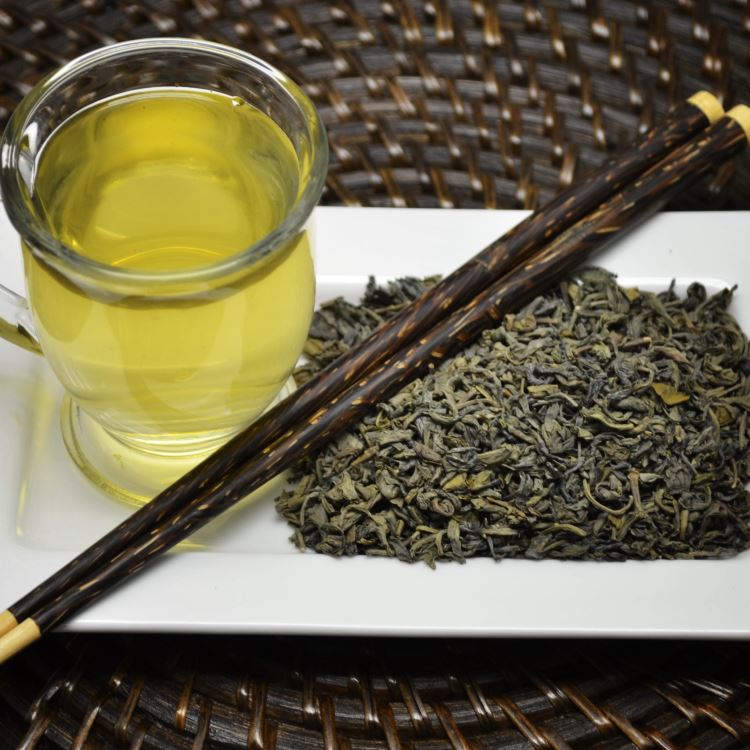
ChunMee Green Tea 3oz Loose-Leaf
- Supports Metabolism & Antioxidant Health*
- Promotes Mental Clarity & Calm Focus*
- Traditional Chinese Green Tea for Wellness*


Couldn't load pickup availability
*These statements have not been evaluated by the Food and Drug Administration. This product is not intended to diagnose, treat, cure, or prevent any disease.
Quick Answer: What Is ChunMee Green Tea Good For?
ChunMee is a classic Chinese loose leaf green tea ("Precious Eyebrow") with bright, tangy flavor and subtle plum notes. Contains EGCG antioxidants, L-theanine for calm focus, and moderate natural caffeine. Brew 1 tsp per 8oz at 175°F for 2-3 minutes. Provides smooth alert energy without coffee jitters. Traditional Chinese daily tea for centuries.
Why Loose Leaf Green Tea Outperforms Tea Bags
Most green tea consumed in the West comes from bags - which means broken leaves, dust, and stems rather than whole leaves. Broken leaf processing accelerates oxidation and reduces the concentration of antioxidants (particularly EGCG) and L-theanine that make green tea beneficial. A 2019 study in Food Research International found loose leaf green tea delivers 20-30% more antioxidants per cup than tea bags of comparable weight.
Loose leaf green tea also allows the leaves to fully unfurl and extract their compounds during steeping, giving you cleaner flavor with fewer bitter tannins. ChunMee - one of China's most widely-consumed green teas for over 1000 years - is the entry point to quality loose-leaf green tea. Its carefully rolled leaves (shaped like delicate eyebrows, hence the name "Precious Eyebrow") produce a balanced, slightly plum-scented brew that works as an everyday daily tea.
How ChunMee Green Tea Works
The health benefits of green tea come from three main compound groups. Catechins - particularly EGCG (epigallocatechin gallate) - are potent antioxidants that neutralize free radicals linked to aging and chronic disease. Research shows EGCG may modestly support cardiovascular health, metabolism, and cellular protection. L-theanine is a unique amino acid found almost exclusively in tea that promotes calm, focused mental states by increasing alpha brain wave activity.
The combination of moderate caffeine (25-45mg per cup, about 1/3 of coffee) with L-theanine is what gives green tea its distinctive "calm alertness" feel - focused energy without jitters or the caffeine crash. Regular daily consumption of 2-3 cups produces the studied benefits, though even occasional use contributes antioxidants and L-theanine. ChunMee is slightly more robust in flavor than delicate green teas like Dragon Well, making it more satisfying as an everyday choice.
ChunMee vs Other Popular Green Teas
| Green Tea Variety | Flavor Profile | Caffeine | Best For |
|---|---|---|---|
| ChunMee (this product) | Bright, tangy, plum notes, balanced | Moderate (25-45mg) | Daily all-purpose; robust enough for morning |
| Dragon Well (Longjing) | Sweet, chestnut, vegetal, delicate | Moderate | Special occasions; afternoon sipping |
| Sencha (Japanese) | Grassy, marine, fresh | Moderate | Those who prefer Japanese style |
| Gunpowder | Smoky, robust, pellet-rolled | Higher | Strong flavor preference; mint tea base |
| Matcha (powdered) | Creamy, umami, full leaf | High | Energy boost; ceremonial use |
| Jasmine Green Tea | Floral-scented green | Moderate | Aromatic evening tea |
Who Benefits Most from ChunMee Green Tea?
Coffee drinkers transitioning to less caffeine often start with ChunMee because its robust flavor satisfies the oral pleasure of coffee without the caffeine load. The L-theanine creates mental clarity without jitters, which many people find they actually prefer for work productivity after they adjust. Starting with one cup instead of morning coffee, then transitioning over a few weeks, works well.
Health-conscious adults wanting antioxidant support in beverage form rather than supplement pills benefit from making green tea a daily ritual. Those avoiding sugary drinks or sodas use it as a flavorful alternative. Weight-conscious adults appreciate its metabolism-supporting compounds (modest effect but real). Office workers find the calm-alert state ideal for deep focus work. Traditional Chinese medicine practitioners use it for yang-balancing. Anyone wanting a cleaner, more nutritious alternative to sweetened bottled teas.
How to Brew ChunMee Green Tea
Temperature matters more with green tea than any other type. Boiling water (212°F) scalds green tea leaves, extracting bitter tannins and destroying delicate volatile compounds. The ideal water temperature for ChunMee is 175-180°F. Bring water to boil, then let it rest 1-2 minutes before pouring over leaves, or add a splash of cold water.
Use 1 teaspoon of leaves per 8oz water. Steep 2-3 minutes for a balanced cup, or 1-2 minutes for a lighter flavor. ChunMee leaves can be re-steeped 2-3 times, with each subsequent steep slightly lighter. Drink plain for full flavor appreciation; a small amount of raw honey is acceptable if sweetening. Avoid dairy which binds catechins and reduces antioxidant absorption. For maximum benefit, drink between meals on slightly empty stomach.
Safety & When to Moderate
- Contains moderate caffeine (25-45mg/cup) - limit to 3-4 cups daily
- Avoid drinking after 2pm if caffeine-sensitive - may disrupt sleep
- Reduce consumption during pregnancy (100mg max daily caffeine)
- Green tea can affect iron absorption - avoid with iron supplements, drink separately
- May interact with blood thinners (vitamin K content) - discuss with doctor if applicable
- Avoid excessive consumption (>5 cups daily) with beta-blocker medications
- Green tea extract supplements (not tea) have rare liver concerns; regular tea doesn't share this risk
These statements have not been evaluated by the FDA. This product is not intended to diagnose, treat, cure, or prevent any disease.
Why Choose Remedy's ChunMee Green Tea?
Most supermarket green tea bags contain broken leaves, dust, and stems from lower-grade harvests. Our ChunMee is authentic hand-rolled loose-leaf from traditional Chinese growing regions, maintaining the leaf integrity and full antioxidant profile. 3oz loose-leaf format provides approximately 30-40 servings per package. Freshness sealed.
Sourced from traditional Chinese growers. Packaged in the USA. Pairs well with our Immune Tea for a complete daily tea routine.
Frequently Asked Questions
What is the best loose leaf green tea? +
The best loose leaf green tea matches your flavor preference: ChunMee for bright, tangy daily tea; Dragon Well for sweet delicate flavor; Sencha for grassy Japanese style; Gunpowder for robust smoky profile. Loose leaf forms deliver 20-30% more antioxidants than tea bags due to whole-leaf integrity.
How do I brew loose leaf green tea? +
Use water at 175-180°F (let boiling water rest 1-2 min before pouring). Add 1 teaspoon of leaves per 8oz water. Steep 2-3 minutes. Strain. Loose leaves can be re-steeped 2-3 times, each slightly lighter. NEVER use boiling water on green tea - it scalds leaves and creates bitter tannins.
Is loose leaf green tea better than tea bags? +
Yes - for quality and health benefits. Loose leaves retain more antioxidants (particularly EGCG) and L-theanine. Tea bags typically contain broken leaves and dust that oxidize faster and extract bitter tannins. A 2019 Food Research International study showed 20-30% more antioxidants per cup from loose leaf.
What is ChunMee green tea? +
ChunMee (春眉, meaning 'Precious Eyebrow') is a traditional Chinese green tea with carefully hand-rolled leaves shaped like delicate eyebrows. Originated over 1000 years ago. Flavor is bright, slightly tangy, with subtle plum notes and clean smooth finish. Popular as China's everyday green tea.
Does ChunMee green tea have caffeine? +
Yes - moderate caffeine at 25-45mg per 8oz cup. That's about 1/3 of typical coffee (95mg). Combined with L-theanine, this produces smooth alert energy without coffee jitters. Avoid drinking after 2pm if caffeine-sensitive. Pregnant women should limit to 1-2 cups daily (stay under 100mg caffeine total).
How much green tea should I drink daily? +
Most research benefits (cardiovascular, metabolic, cognitive) come from 2-3 cups daily. Maximum 3-4 cups to stay within reasonable caffeine limits (100-180mg total). More isn't more beneficial - diminishing returns kick in above 4 cups, and caffeine load starts affecting sleep and anxiety.
Can I drink green tea on an empty stomach? +
Yes - between meals on slightly empty stomach is ideal for antioxidant absorption. However, green tea can cause nausea in some people when drunk completely fasted. If you feel nauseous, have a small bite of food first. Avoid drinking green tea with iron supplements - tannins bind iron.
What are the benefits of drinking green tea daily? +
Research supports: cardiovascular health (blood pressure, cholesterol), modest metabolic support, cognitive function (L-theanine + caffeine combo), antioxidant protection (EGCG), and oral health (antimicrobial compounds). Effects are modest but cumulative - daily drinking over months produces measurable benefits in multiple markers.