
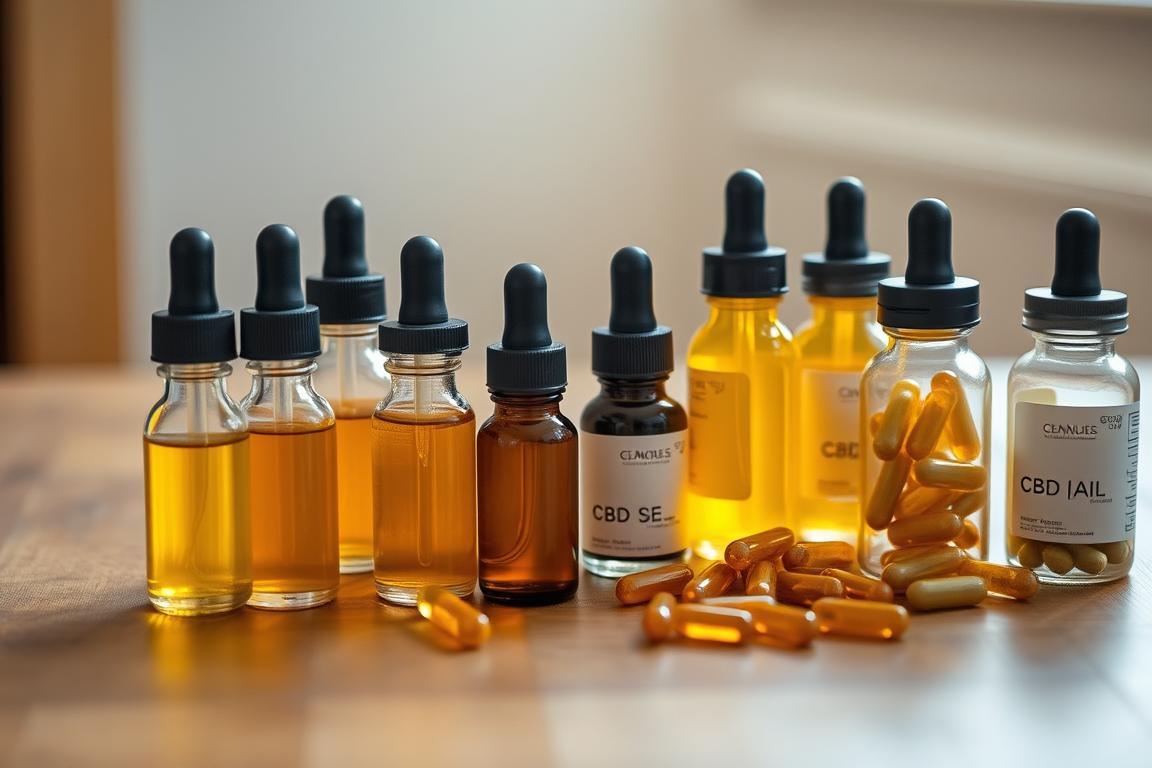
Tinctures vs capsules differ in absorption speed by 2 to 3 times, with sublingual tinctures reaching bloodstream within 5 to 15 minutes versus 30 to 45 minutes for capsules. Tinctures cost 20 to 40% more per equivalent dose but deliver broader fat-soluble compound profiles, while capsules offer precise 500 to 1,000 mg standardized doses and travel ease.
Quick Answer: Do herbal tinctures deliver more benefits than capsules?
Tinctures absorb 2 to 3x faster (5 to 15 min sublingual) than capsules (30 to 45 min via stomach) and capture broader compound profiles. Capsules offer precise 500 to 1,000 mg dosing, no taste, travel ease, and cost 20 to 40% less per dose. Tinctures win for acute use; capsules for daily tonics requiring exact dosing.
Key Takeaways
- Tinctures absorb 2 to 3x faster than capsules (5 to 15 min vs 30 to 45).
- Capsules deliver precise 500 to 1,000 mg standardized doses.
- Tinctures cost 20 to 40% more per equivalent dose than capsules.
- Tinctures extract fat-soluble compounds capsules miss by 30 to 40%.
Frequently Asked Questions
Which is more potent — tincture or capsule? +
It depends on the specific product's concentration. A 1:1 fluid extract tincture is far more potent per ml than a standard capsule. However, a standardized capsule with 95% curcuminoids is more potent per dose than a non-standardized turmeric tincture. Standardization level matters more than format.
Are tinctures faster-acting than capsules? +
Yes — sublingual tincture absorption is 2–4× faster than capsule digestion. For herbs where fast onset matters (echinacea at first sign of a cold, kava for anxiety), tinctures provide a meaningful advantage.
Are tinctures or capsules better for children? +
Alcohol-free glycerite tinctures or capsules (opened and mixed into food) are both suitable for children. Elderberry syrup is the most popular format for pediatric use due to its pleasant taste and alcohol-free formulation.
Do capsules have better quality control than tinctures? +
Standardized capsule extracts from GMP-certified manufacturers typically have more consistent batch-to-batch potency than non-standardized artisanal tinctures. However, a well-made, third-party tested tincture can match or exceed capsule consistency.
When is a tincture better than a capsule? +
Tinctures win for: acute needs (fast onset within 15 minutes), flexible dosing (adjust in 0.25 ml increments), broader compound extraction (fat-soluble terpenes), sublingual absorption (bypasses digestion), and people with swallowing difficulty. Best tincture use cases: anxiety onset, sleep support, cold/flu at first symptoms, and digestive bitters before meals.
When are capsules better than tinctures? +
Capsules win for: precise standardized dosing (500 to 1,000 mg exact), travel convenience (no spills, TSA-friendly), zero taste, long-term daily tonics (ashwagandha, reishi), and cost efficiency (20 to 40% less per equivalent dose). Best capsule use cases: adaptogens for 3+ months, multivitamins, specific mg-based protocols, and medication-style regimens.
Can I switch between tincture and capsule forms? +
Yes — equivalents: 1 ml of 1:5 tincture equals approximately 200 mg of dried herb or one 500 mg capsule (which contains about 40% active herb weight). Switching between forms is safe for most herbs. Track dose equivalents carefully — cheap tinctures at 1:10 ratio deliver half the potency per ml. Always verify extraction ratio on the label.
Do capsules lose potency faster than tinctures? +
Capsules typically last 2 to 3 years sealed; tinctures last 3 to 5 years. Both lose potency over time but at different rates. Capsules are vulnerable to humidity and oxygen; tinctures resist both due to alcohol content. Expiration dates on capsules are often conservative — actual potency drops 10 to 15% after expiration. Tinctures maintain 90%+ potency for the full 5 years.
Related Reading
Related Products
Looking for More Options?
 Digestion Support
Supplements for gut health, digestion, and a balanced microbiome.
Digestion Support
Supplements for gut health, digestion, and a balanced microbiome.
 Daily Essentials
Foundational everyday supplements that cover the nutritional basics.
Daily Essentials
Foundational everyday supplements that cover the nutritional basics.
 Tinctures
Fast-absorbing liquid herbal extracts — concentrated and clinician-approved.
Tinctures
Fast-absorbing liquid herbal extracts — concentrated and clinician-approved.
This guide cuts through the noise. We’ll explore how these two popular delivery methods work differently in your system. You’ll discover why some users swear by the quick absorption of oil-based formulas, while others prefer the no-mess convenience of pre-measured pills.
Here’s what you should know upfront: Your lifestyle plays a bigger role than you might think. Busy professionals often lean toward capsules for their discreet administration. Meanwhile, tinctures attract those who want precise control over their dosage. Both products have stood the test of time in traditional medicine – now modern science helps us understand why.
Key Takeaways
- Absorption speed varies significantly between liquid and pill forms
- Capsules offer tasteless convenience for on-the-go use
- Tinctures allow exact dosage adjustments through dropper administration
- Scientific studies show differences in how each method interacts with the body
- Personal health objectives should guide your final choice
We’ve analyzed clinical research and real-user experiences to create this practical comparison. By the end, you’ll know exactly which option aligns with your wellness routine – no guesswork required.
Understanding Herbal Administration: Tinctures and Capsules
Long before pharmacies existed, healers relied on plant-based solutions. Ancient civilizations perfected ways to harness nature’s power through careful experimentation. Let’s explore how these time-tested methods evolved into today’s wellness staples.
From Apothecaries to Modern Shelves
Traditional herbalists discovered that mixing plants with alcohol or water unlocked their healing potential. Alcohol-based extracts preserved medicinal compounds for years – a game-changer when refrigeration didn’t exist. These early tinctures became the original multivitamins, treating everything from sleeplessness to digestive issues, a tradition continued with products like Rehmannia & Ginger Tincture.
Three key developments shaped herbal administration:
- 19th-century pharmacists created glycerin alternatives for alcohol-sensitive users
- Powdered herb capsules emerged in the 1930s, masking bitter tastes
- Modern labs now use CO2 extraction to boost potency in both forms
Today’s Plant-Powered Preferences
Recent surveys show 68% of Americans prefer natural remedies over synthetic drugs. This shift revived interest in liquid extracts, especially hemp-derived options. Yet capsules remain popular for their grab-and-go ease – perfect for hectic schedules.
Innovations bridge historical wisdom with contemporary needs:
- Nanoemulsion technology speeds up tincture absorption
- Time-release capsules mimic traditional all-day herbal regimens
- Dropper bottles now include measurement markers for precise dosing
Whether you choose a vintage-inspired tincture or sleek capsule, both methods deliver nature’s goodness. The real win? Having options that fit your daily rhythm.
Benefits of Tinctures vs Capsules
Choosing between liquid extracts and encapsulated forms depends on how your body processes them. Let’s break down what science reveals about their performance.
Speed Matters in Absorption
CBD tinctures work like express lanes for compounds. Placed under the tongue, they enter the bloodstream through mucous membranes. This bypasses the digestive grind and liver filtration. Most users feel effects within 15-30 minutes.

Capsules take the scenic route. They dissolve slowly in the stomach, releasing compounds that interact with gut receptors. While slower (45-90 minute onset), this path offers targeted support for digestive health.
"Sublingual administration delivers 34% more bioactive compounds than oral ingestion," notes a 2023 Journal of Cannabinoid Medicine study.
Tailoring Your Approach
Droppers let you fine-tune doses drop by drop – ideal for finding your sweet spot. Pre-measured pills offer grab-and-go consistency. One Colorado survey found 62% of tincture users appreciate this control, while 58% of capsule fans value hassle-free dosing.
Evidence-Based Comparison
Liver health and metabolism affect outcomes. Those with digestive issues often prefer tinctures’ direct route. Capsules may better support gut-related concerns through localized interaction.
Practical Considerations and Usage Tips
Your daily habits and preferences shape which CBD capsules or CBD tinctures work best. Let’s explore smart strategies to match these options with your routine. For more information on this topic, check out our guide on how to boost your immunity naturally.

Lifestyle Alignment Guide
Busy professionals often favor capsules for their no-fuss design. They’re ideal during meetings or commutes. Parents appreciate their spill-proof nature in hectic homes. For precise dosing needs, tinctures like our Oregano Tincture shine – artists and athletes often prefer this control.
Maximizing Effectiveness
Hold liquid extracts like Elderberry Tincture under your tongue for 90 seconds. This lets active compounds enter the bloodstream directly. Pair with avocado or nuts to boost absorption by 20-40%.
For capsules, take them with lunch containing healthy fats. This helps your digestive system process them efficiently. Those sensitive to earthy flavors can try citrus-infused tinctures or chase capsules with mint tea.
"Rotating between morning tinctures and evening capsules helped me maintain consistent hemp compound levels," shares yoga instructor Mara from Austin.
Store tinctures upright to prevent leaks. Keep capsules in their original container – humidity affects potency. With these tips, you’ll get the most from your chosen method.
Conclusion
Your path to plant-based wellness isn’t one-size-fits-all. CBD capsules shine for their grab-and-go simplicity, while CBD tinctures excel in quick customization. The right choice lives where your daily rhythm meets your health ambitions. You can find both options and more at Remedy's Nutrition.
Fast-acting liquid extracts work best for those needing immediate support. Their sublingual administration sends compounds straight to your bloodstream. Pre-measured pills offer discreet precision – pop one with lunch and stay on track.
Many users mix both forms strategically. Try morning tinctures for rapid effects, then evening capsules for sustained levels. Start low (5-10mg dose) and adjust gradually. Your body’s response will guide you better than any chart. Always seek advice from trusted sources like the World Health Organization for general information.
Quality matters most. Look for third-party tested hemp products with clear dosing details. Whether you choose oil drops or pressed powders, you’re now equipped to decide with confidence. Your wellness journey just got clearer.


