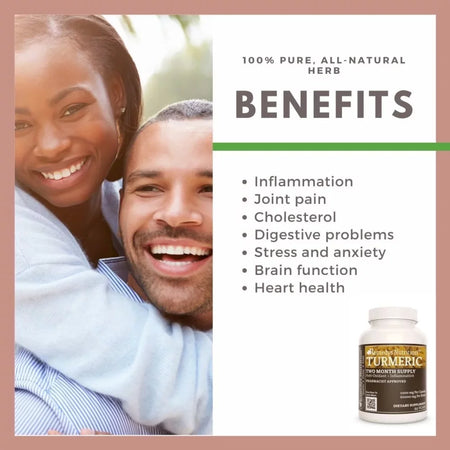
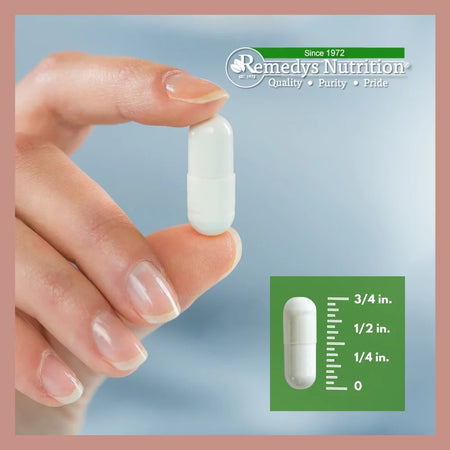
What Is Turmeric Root?
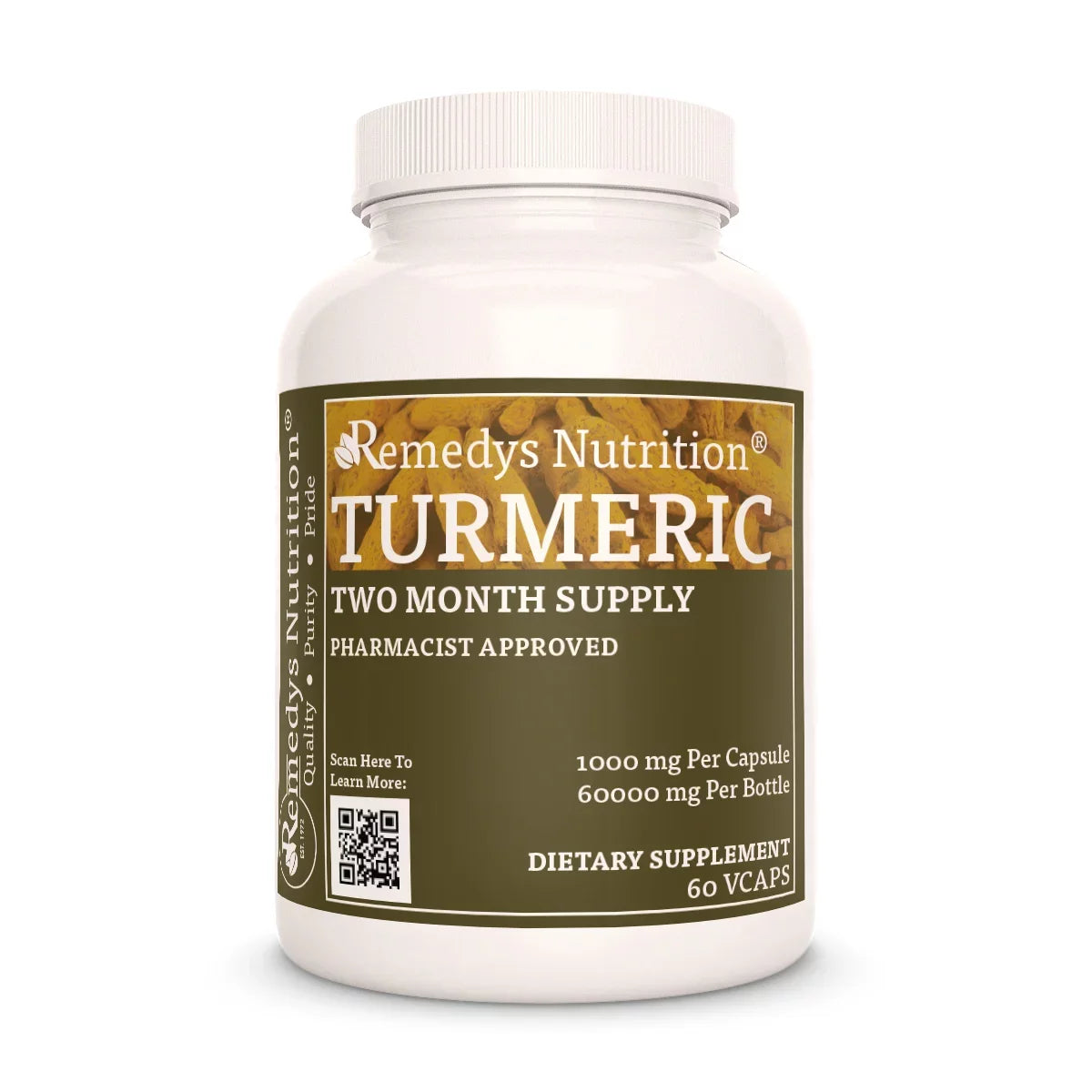
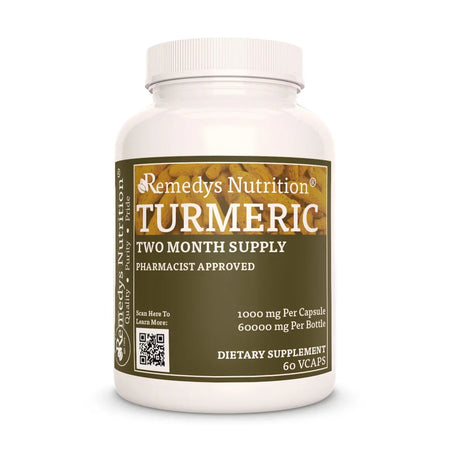
Turmeric (Curcuma longa) is a golden-orange root in the ginger family, native to India and Southeast Asia, where it has been used in Ayurvedic and traditional Chinese medicine for more than 4,000 years. The root contains a family of bioactive polyphenols called curcuminoids — primarily curcumin, demethoxycurcumin, and bisdemethoxycurcumin — that drive its anti-inflammatory and antioxidant activity. Remedy's Nutrition sources turmeric root directly from India, the world's largest producer, and delivers a full 1,000 mg per vegan capsule.
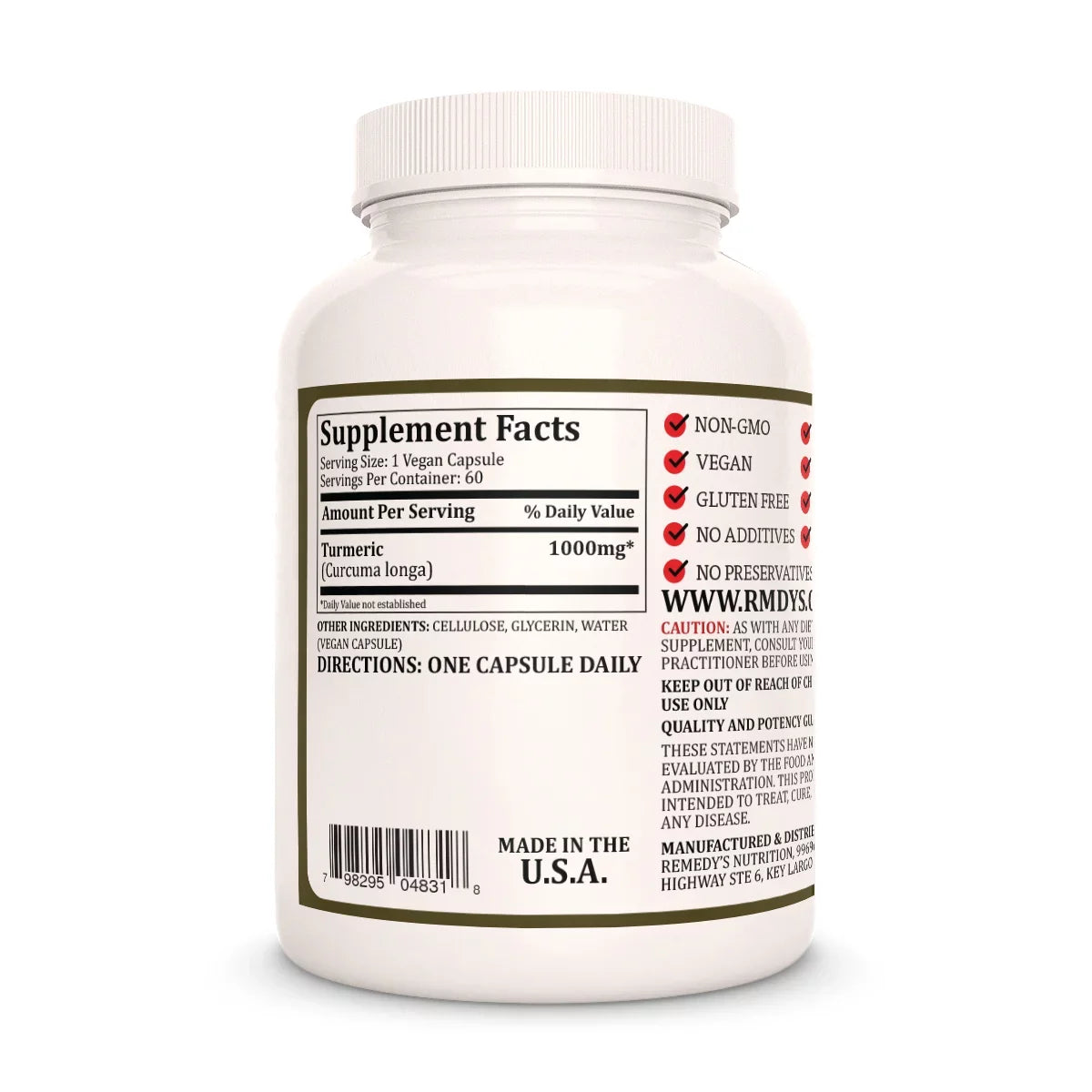
Supplement Facts
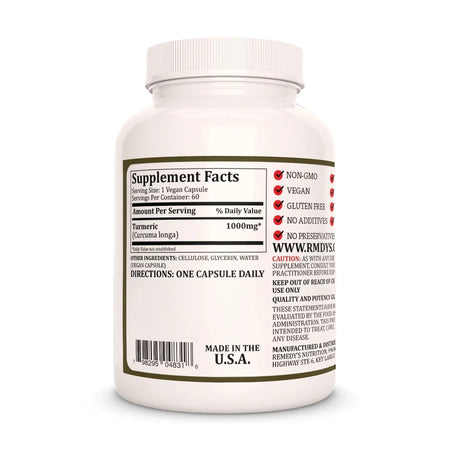
Serving size: 1 Vegan Capsule. Servings per container: 60.
| Amount Per Serving |
Amount |
% Daily Value |
| Turmeric (Curcuma longa) |
1000 mg |
* |
* Daily Value not established.
Other ingredients: Cellulose, Glycerin, Water (vegan capsule)
Directions: One capsule daily.
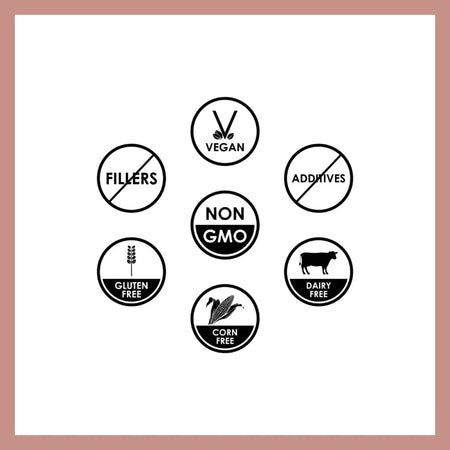
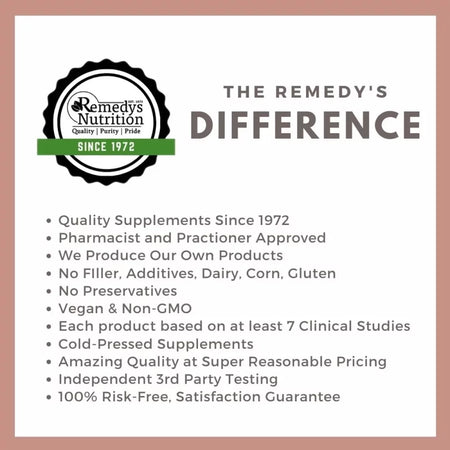
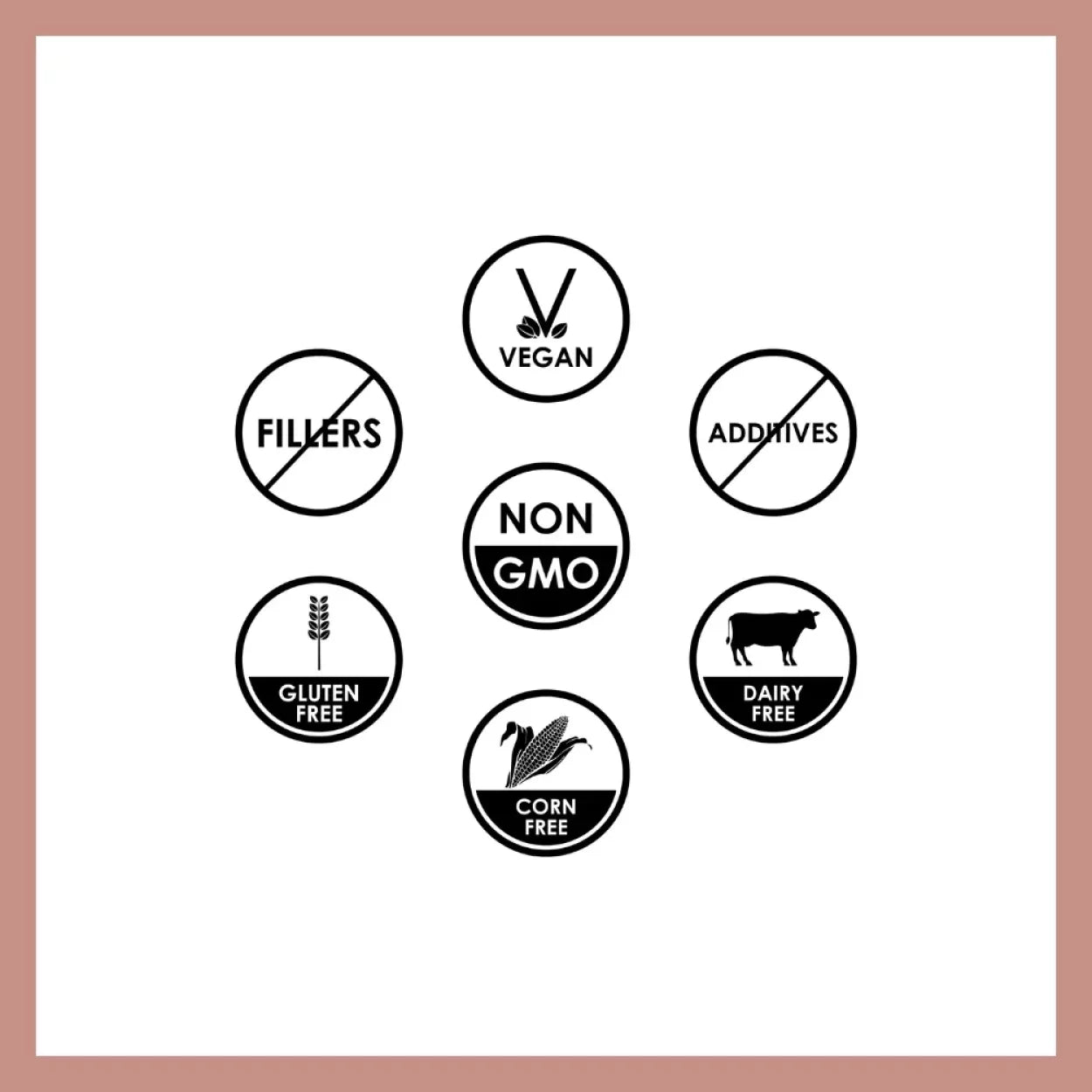
Non-GMO, vegan, gluten free, no additives, no preservatives. Made in the USA.
Who Should Be Careful With This
This is not a list of side effects. It is the short list of situations where this ingredient is known to interact with something else, so you can check with your doctor or pharmacist before starting.
-
If you take a blood thinner or an antiplatelet, or you are due to have surgery.
-
If you have gallstones or a bile duct obstruction. Turmeric increases bile flow, which can bring on pain in people with stones.
-
It can reduce iron absorption, which matters if you are being treated for low iron.
Source: NCCIH, Turmeric.
Turmeric root contains 2–8% curcuminoids by dry weight, with curcumin making up roughly 75% of that fraction. Modern research has focused primarily on curcumin as the most pharmacologically active component, though the whole root retains a complementary array of volatile oils and resins that contribute to its traditional effectiveness.
Turmeric Root Benefits: Clinical Evidence Summary
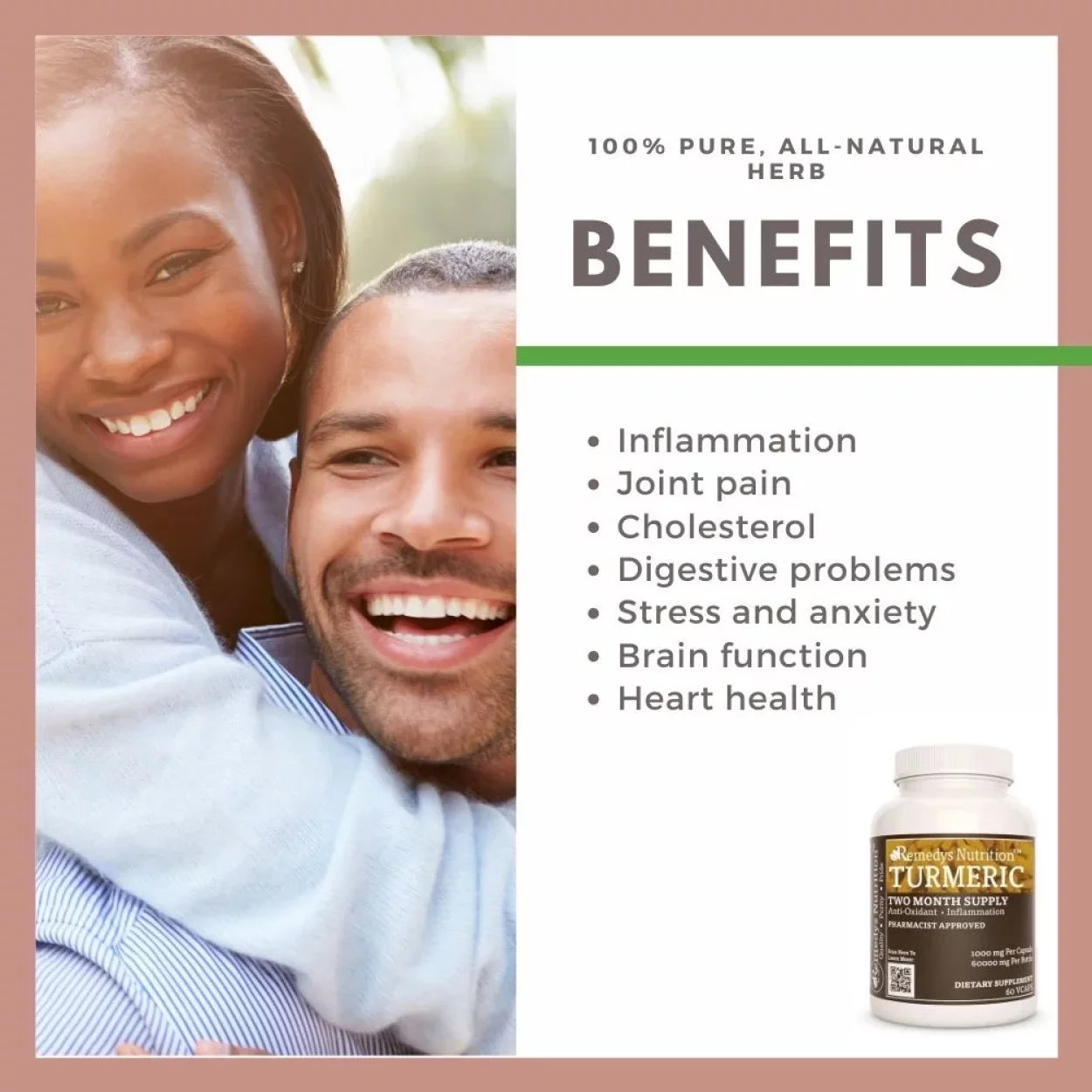
More than 65 human clinical trials have evaluated curcumin across a range of conditions. The strongest evidence concentrates on inflammation, joint pain, and antioxidant activity — areas with multiple randomized controlled trials showing statistically significant results versus placebo. Read our in-depth breakdown in the complete turmeric benefits guide.
| Benefit Area |
Key Clinical Finding |
Dose Used in Research |
| Inflammation |
Curcumin significantly reduced TNF-alpha and IL-6 in a GRADE-assessed meta-analysis of RCTs |
500–1,000 mg/day, 8–12 weeks |
| Joint Pain (Osteoarthritis) |
Turmeric extract non-inferior to paracetamol for knee OA pain relief in a randomized non-inferiority trial |
1,000 mg/day |
| Rheumatoid Arthritis |
Curcumin reduced DAS28 score and inflammatory markers in RA patients across multiple RCTs |
500–1,000 mg/day |
| Antioxidant Activity |
Curcumin scavenges reactive oxygen species and upregulates Nrf2 antioxidant pathway |
500–2,000 mg/day |
| Heart Health / Cholesterol |
Curcumin reduced total cholesterol and LDL in metabolic syndrome patients in a double-blind RCT |
630 mg/day, 12 weeks |
| Blood Pressure |
Curcumin supplementation significantly reduced systolic blood pressure in a GRADE-assessed meta-analysis |
500–1,000 mg/day |
| Exercise Recovery |
Curcumin reduced markers of exercise-induced muscle damage in athletes across multiple trials |
1,500–2,000 mg/day |
| Mood Support |
Curcumin supplementation reduced depression scores compared to placebo in a 2024 RCT |
1,000 mg/day, 12 weeks |
How Curcumin Works: The Mechanism
Curcumin achieves its wide-ranging effects by targeting multiple inflammatory signaling pathways simultaneously — a pharmacological characteristic called pleiotropy that distinguishes it from most single-target pharmaceutical anti-inflammatories. Its two primary mechanisms involve NF-κB inhibition and COX-2 suppression, the same pathways targeted by NSAIDs like ibuprofen, but without the associated gastrointestinal side effects when used at standard doses.
| Mechanism |
What It Does |
Clinical Relevance |
| NF-κB Inhibition |
Blocks the nuclear factor kappa-B pathway, reducing production of pro-inflammatory cytokines (TNF-alpha, IL-1β, IL-6) |
Central driver of chronic inflammation in arthritis, cardiovascular disease, metabolic syndrome |
| COX-2 Suppression |
Reduces cyclooxygenase-2 enzyme activity, lowering prostaglandin synthesis and inflammatory pain signaling |
Pain relief for joint conditions; mechanism shared with NSAID drugs |
| Nrf2 Activation |
Upregulates the body's own antioxidant response element, boosting production of glutathione and other endogenous antioxidants |
Cellular protection from oxidative stress; relevant for aging, metabolic disease, exercise recovery |
| Chemokine Modulation |
Regulates chemokine signaling networks that recruit immune cells to sites of tissue damage |
Reduces chronic low-grade inflammation implicated in cardiovascular and metabolic conditions |
Explore the full science in our guide to turmeric and curcumin — what's the difference.
Turmeric for Inflammation
Inflammation is turmeric's most evidence-backed application. A 2023 GRADE-assessed systematic review and meta-analysis of randomized controlled trials confirmed that curcumin supplementation significantly reduces TNF-alpha and IL-6 — two primary markers of systemic inflammation measured in clinical settings.[1]Anti-Inflammatory Effects of Curcumin: GRADE Systematic Review — Cytokine (2023) View source This effect has been replicated across conditions including arthritis, metabolic syndrome, and post-exercise recovery.
Unlike NSAIDs, which carry gastrointestinal and cardiovascular risks with long-term use, curcumin at doses of 500–2,000 mg/day has a strong safety profile in trials lasting up to 12 months. The anti-inflammatory action is systemic rather than localized, making it relevant for conditions driven by chronic low-grade inflammation, including cardiovascular disease, type 2 diabetes, and neurodegenerative conditions.
-
TNF-alpha and IL-6 reduction confirmed across multiple high-quality RCTs
-
NF-κB and COX-2 suppression — same pathways targeted by pharmaceutical anti-inflammatories
-
Safe for long-term use at 500–2,000 mg/day in clinical studies
- Effective across arthritis, metabolic syndrome, and exercise-induced inflammation
For the full research breakdown, see our article on turmeric for inflammation.
Turmeric for Joint Pain and Arthritis
Joint pain — particularly knee osteoarthritis and rheumatoid arthritis — has the most robust clinical evidence supporting turmeric supplementation. A randomized non-inferiority trial published in Trials (2021) found that a bioavailable turmeric extract performed comparably to paracetamol for knee OA pain relief over 12 weeks.[3]Turmeric Extract vs Paracetamol for Knee Osteoarthritis: RCT — Trials (2021) View source A separate meta-analysis in Seminars in Arthritis and Rheumatism confirmed significant benefit for pain and function versus placebo across multiple studies.[4]Curcumin and Boswellia for Knee OA: Meta-Analysis — Semin Arthritis Rheum (2018) View source
For rheumatoid arthritis specifically, a 2023 systematic review and meta-analysis in Frontiers in Immunology found that curcumin significantly reduced the DAS28 disease activity score and multiple inflammatory markers in RA patients.[5]Curcumin for Rheumatoid Arthritis: Systematic Review and Meta-Analysis — Front Immunol (2023) View source The mechanism involves curcumin's inhibition of NF-κB and COX-2 within synovial tissue — directly targeting the inflammatory cascade responsible for cartilage degradation.
- Non-inferior to paracetamol for knee OA in a 12-week RCT
- Reduced DAS28 disease activity in rheumatoid arthritis patients
- Herbal turmeric-black pepper-ginger combination comparable to naproxen in chronic knee OA trial
- Inhibits COX-2 and NF-κB within joint tissue — targets root cause, not just pain signal
Our dedicated guide covers turmeric for joint pain in detail, including what formulations work best.
Turmeric for Heart Health and Cholesterol
Cardiovascular health is an emerging area of clinical interest for curcumin. A double-blind, placebo-controlled RCT found that curcumin at 630 mg/day for 12 weeks reduced total cholesterol and LDL in patients with metabolic syndrome.[7]Curcumin Lowers LDL and Cholesterol in Metabolic Syndrome: RCT — Phytother Res (2014) View source A follow-up study showed curcumin enhanced the cholesterol-lowering effects of phytosterols when used in combination. Blood pressure data is also encouraging: a 2024 GRADE-assessed meta-analysis confirmed that curcumin supplementation significantly reduced systolic blood pressure across multiple trials.
The cardiovascular benefits trace back to curcumin's endothelial-protective and anti-oxidant mechanisms — it reduces lipid peroxidation, suppresses atherosclerosis-driving inflammation in arterial walls, and improves endothelial function. These effects complement dietary and lifestyle interventions for heart health without the risks associated with pharmaceutical cholesterol-lowering agents at standard supplement doses.
Turmeric for Exercise Recovery
Athletes and active individuals represent a growing segment of turmeric users. A 2024 systematic review in the Journal of the International Society of Sports Nutrition evaluated multiple trials and found that curcumin supplementation consistently reduced markers of exercise-induced muscle damage — including creatine kinase and muscle soreness scores — compared to placebo.[8]Curcumin and Exercise-Induced Muscle Damage in Athletes: Systematic Review — J Int Soc Sports Nutr (2024) View source Dosing in these trials typically ranged from 1,500–2,000 mg/day taken around training sessions.
The mechanism parallels its anti-inflammatory action: by suppressing NF-κB and reducing inflammatory cytokine production in stressed muscle tissue, curcumin shortens the inflammatory phase of exercise recovery without blunting the adaptive stimulus. This is an important distinction from cold therapy or high-dose antioxidants, which may impair training adaptations.
- Reduced creatine kinase levels post-exercise in multiple trials
- Lower perceived muscle soreness at 24–72 hours after training
- Targets inflammatory phase without blunting training stimulus
- Typical effective dose: 1,000–2,000 mg/day around exercise sessions
Bioavailability: Why Black Pepper Matters
Curcumin has poor oral bioavailability on its own due to rapid metabolism in the gut and liver, low aqueous solubility, and fast elimination. A landmark 1998 study in Planta Medica found that co-administering piperine — the active compound in black pepper — enhanced curcumin bioavailability by 2,000% in human volunteers.[2]Piperine Increases Curcumin Bioavailability 2,000% in Humans — Planta Med (1998) View source This is why many clinical trials and practitioners recommend pairing turmeric with black pepper.
Other strategies that improve curcumin absorption include consuming it with a fatty meal (curcumin is fat-soluble), using liposomal or phytosome formulations, or combining with other lipid carriers. Our 1,000 mg capsule delivers a potent whole-root dose; for maximum absorption, take it with a meal containing healthy fats and consider combining with a small amount of black pepper.
- Piperine (black pepper extract) boosts curcumin bioavailability by up to 2,000%
- Take with a meal containing fat — curcumin is fat-soluble
- Liposomal and phytosome formulations offer enhanced delivery in clinical settings
- Whole turmeric root retains the full curcuminoid and volatile oil complex
See our comprehensive guide: turmeric supplements — the complete guide.
Why Choose Remedy's Nutrition Turmeric Root?
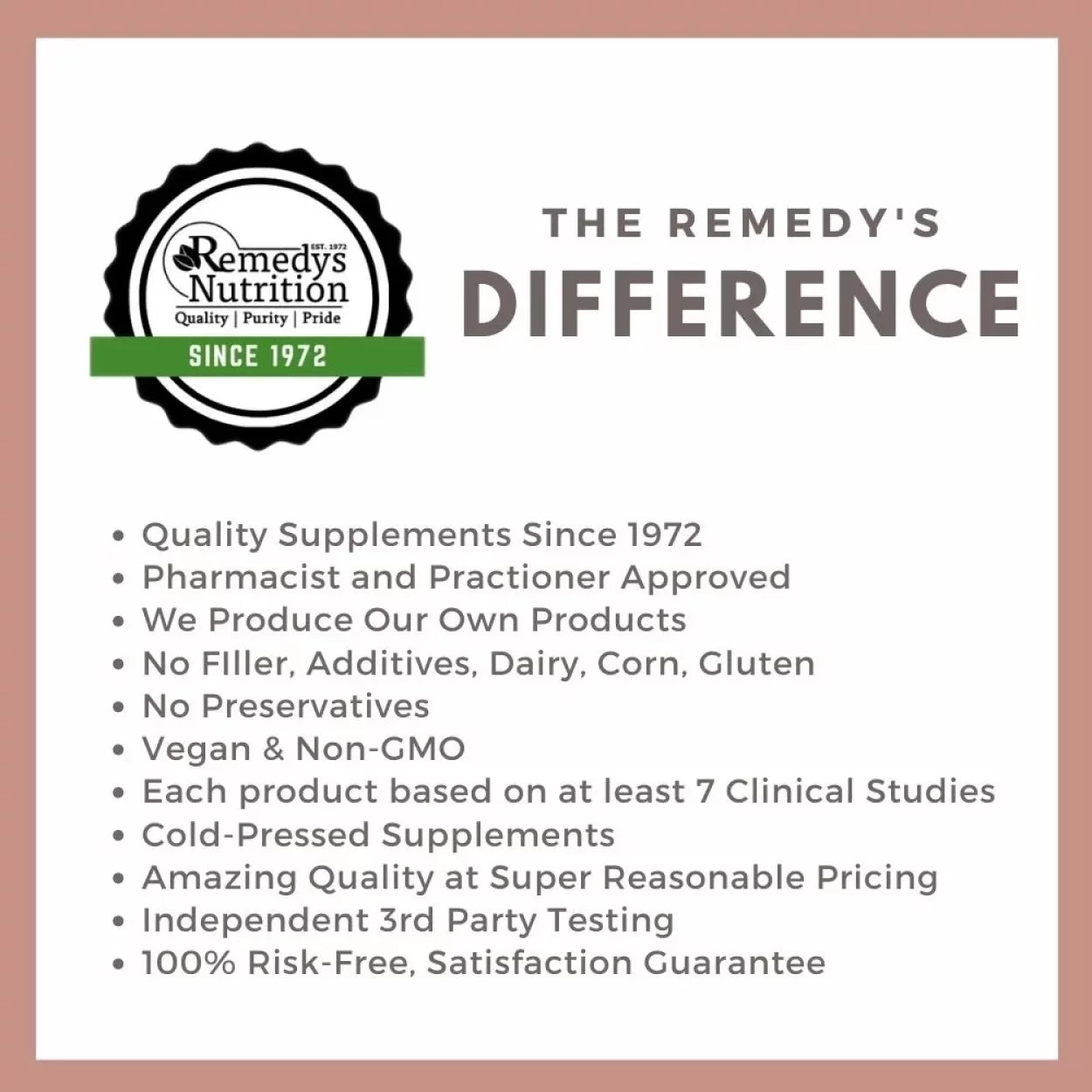
Remedy's Nutrition sources turmeric root directly from India — the world's largest producer and origin of the Curcuma longa cultivars with the highest curcuminoid concentration. Every batch is handcrafted in Key Largo, FL, reviewed and approved by pharmacists, and sold with a quality and potency guarantee.
| What You Get |
Why It Matters |
| 1,000 mg per capsule — full-root dose |
Most competitors use 500 mg or proprietary blends that dilute active curcuminoid content |
| Indian-sourced Curcuma longa |
India produces 80% of the world's turmeric; high-curcuminoid cultivars concentrated in Andhra Pradesh and Telangana |
| 100% pure — no fillers, additives, or preservatives |
Many products use magnesium stearate, silicon dioxide, and rice flour as fillers that dilute potency |
| Vegan, Kosher, Non-GMO |
Suitable for all dietary approaches; no animal-derived capsule materials |
| Gluten-free, dairy-free, corn-free |
Safe for individuals with food sensitivities and inflammatory bowel conditions |
| Handmade in Key Largo, FL, USA |
Small-batch production with pharmacist oversight — quality verified at every step |
| 60 capsules — 2-month supply |
Clinical trials consistently use 8–12 weeks as the minimum duration to observe benefits |
Turmeric Dosage and How to Use
The optimal turmeric dose depends on the health goal. Clinical trials have used a wide range — from 500 mg/day for general antioxidant support to 2,000 mg/day for acute joint pain and exercise recovery. The standard starting dose in most trials showing meaningful results is 1,000 mg/day, which aligns with Remedy's Nutrition's 1-capsule-per-day serving. For a full breakdown by condition, see our turmeric dosage guide.
| Health Goal |
Typical Dose |
Timing |
Duration |
| General wellness / antioxidant |
500–1,000 mg/day |
With largest meal of the day |
Ongoing |
| Inflammation management |
1,000–1,500 mg/day |
With a fat-containing meal |
8–12 weeks minimum |
| Joint pain (OA / RA) |
1,000–2,000 mg/day |
Split into 2 doses if using higher end |
12+ weeks for full effect |
| Exercise recovery |
1,500–2,000 mg/day |
Pre- or post-workout with food |
During training cycles |
| Heart health / cholesterol |
630–1,000 mg/day |
With evening meal |
12 weeks minimum |
Bioavailability tip: Always take turmeric with food containing healthy fats (avocado, olive oil, nuts) and consider adding a small pinch of black pepper — the piperine it contains enhances curcumin absorption by up to 2,000%.
Safety and Drug Interactions
Curcumin is generally recognized as safe (GRAS) by the FDA. Doses up to 8,000 mg/day have been studied in clinical settings without serious adverse events. Common side effects at standard doses (1,000–2,000 mg/day) are mild and GI-related — occasional nausea, stomach discomfort, or loose stools, most often when taken on an empty stomach. However, turmeric does have clinically relevant drug interactions that require attention. Leading health authorities agree on the priorities: Memorial Sloan Kettering notes turmeric can increase bleeding risk and inhibits the CYP enzymes that clear warfarin[21]Turmeric — About Herbs, Memorial Sloan Kettering View source, the U.S. NCCIH warns that highly bioavailable curcumin may harm the liver and may be unsafe in pregnancy[22]Turmeric — NCCIH View source, and the UK's NHS advises checking with a pharmacist or GP before combining herbal supplements with prescription medicines[23]Herbal medicines — NHS View source. Our full guide covers all known turmeric side effects and safety considerations.
| Drug Class / Situation |
Interaction Mechanism |
Recommendation |
|
Anticoagulants / Blood Thinners (warfarin, heparin, aspirin) |
Curcumin inhibits platelet aggregation and may enhance anticoagulant effects, increasing bleeding risk |
Consult physician before use; do not combine without medical supervision |
|
NSAIDs (ibuprofen, naproxen) |
Additive anti-inflammatory and COX-2 inhibitory effect; may increase GI risk at high doses |
Use caution; inform your doctor; may allow dose reduction of NSAID under physician guidance |
|
Diabetes Medications (metformin, insulin, sulfonylureas) |
Curcumin has blood glucose-lowering effects that may enhance hypoglycemic medications |
Monitor blood glucose closely; dose adjustment may be needed |
| CYP3A4 / CYP2D6 Substrates |
Curcumin inhibits CYP3A4 and CYP2D6 enzymes, potentially altering metabolism of statin drugs, calcium channel blockers, and others |
Consult pharmacist if on multiple prescription medications |
| Pregnancy and Breastfeeding |
Medicinal doses may stimulate uterine contractions; insufficient safety data for breastfeeding |
Avoid supplemental doses during pregnancy and breastfeeding; culinary amounts are generally safe |
| Gallbladder Disease |
Curcumin stimulates bile production; may worsen gallstones or bile duct obstruction |
Avoid if diagnosed with active gallbladder disease or bile duct issues |
|
DOACs / Direct Oral Anticoagulants (apixaban, rivaroxaban, dabigatran, edoxaban) |
Curcumin's antiplatelet activity adds to direct anticoagulation; bleeding events reported |
Do not combine without hematologist supervision; monitor for bruising |
|
Iron supplements (for anemia / low ferritin) |
Curcumin chelates iron and can reduce absorption |
Take turmeric and iron at least 2 hours apart; monitor ferritin if anemic |
|
Hepatotoxic medications (acetaminophen, methotrexate, isoniazid, statins) |
Possible additive liver-stress effects; case reports of turmeric-associated DILI in susceptible users |
Discuss with your prescriber; consider baseline ALT/AST monitoring |
| Pre-Surgical |
Antiplatelet effect increases bleeding risk during and after surgery |
Discontinue at least 2 weeks before elective procedures |
[6]Drug Interactions of Curcuminoids: Review — J Ethnopharmacol (2017) View source
Liver Safety Notice. The U.S. NIH LiverTox database classifies turmeric and curcumin as Category C — a probable cause of clinically apparent liver injury.[H6]LiverTox Turmeric Monograph — NIH Bookshelf View source The U.S. Drug-Induced Liver Injury Network has documented 10 confirmed cases (1 fatal); 7 of 10 patients carried the HLA-B*35:01 genetic marker, 8 were women, median age 56, and several products contained piperine.[H1]DILIN Ten Cases of Turmeric Liver Injury — Am J Med (2023) View source
Stop turmeric and seek care if you develop jaundice, dark urine, pale stools, right-upper-quadrant abdominal pain, or unexplained fatigue. If you take turmeric for more than 4–6 weeks, ask your doctor for baseline and follow-up liver function tests (ALT, AST, alkaline phosphatase, bilirubin). Highest reported risk: women over 50, those with prior liver disease or daily alcohol use, and users of enhanced-absorption formulations (Meriva, Theracurmin, BCM-95, or any piperine-combined product).
Who Should Not Take Turmeric Supplements
While turmeric is safe for most healthy adults, certain individuals should avoid supplemental doses or consult a healthcare provider first. Culinary amounts in food are generally safe for everyone, but concentrated 1,000 mg capsules deliver a therapeutic dose that carries the interaction risks above.
- Individuals taking warfarin, heparin, or other blood thinners — do not combine without physician approval
- Pregnant women — medicinal doses may pose uterine stimulation risk
- Those with active gallbladder disease or bile duct obstruction
- People scheduled for surgery within 2 weeks
- Children under 12 — insufficient clinical data for pediatric dosing
- Individuals with iron deficiency — high-dose curcumin may reduce iron absorption
Always consult a qualified healthcare provider before starting any new supplement, particularly if you take prescription medications or have a diagnosed chronic condition.
Frequently Asked Questions
What is the recommended dose of turmeric for joint pain? +
Clinical trials for joint pain and osteoarthritis typically use 1,000–2,000 mg of turmeric root per day, taken in 1–2 divided doses with meals. Most trials showing meaningful improvement ran for at least 12 weeks. One capsule daily of Remedy's Nutrition Turmeric delivers 1,000 mg — the standard starting dose used in most positive RCTs.
Should I take turmeric with black pepper? +
Black pepper is not required, but it significantly enhances absorption. A 1998 clinical study showed that piperine (black pepper extract) boosts curcumin bioavailability by 2,000% in humans. Taking turmeric with food containing fat also increases absorption, since curcumin is a fat-soluble polyphenol. Even without piperine, regular daily dosing builds effective tissue levels over 4–8 weeks.
How long does it take for turmeric to work? +
Most clinical trials observe measurable improvements after 8–12 weeks of daily supplementation. Acute effects on inflammation markers can appear within 2–4 weeks, but the full benefit for conditions like joint pain or high cholesterol typically requires a consistent 3-month course. Some people notice reduced soreness within 1–2 weeks when using higher doses for exercise recovery.
Is turmeric safe to take every day? +
Yes — at 1,000–2,000 mg/day, turmeric is generally recognized as safe (GRAS) by the FDA. Trials lasting up to 12 months at these doses have not shown serious adverse events. Mild GI side effects (nausea, loose stools) occur in a small percentage of users and usually resolve by taking the supplement with food rather than on an empty stomach.
Can turmeric interact with blood thinners? +
Yes — this is the most clinically important interaction. Curcumin inhibits platelet aggregation and may enhance the effects of anticoagulants like warfarin, increasing bleeding risk. If you take any blood-thinning medication, do not combine with turmeric supplements without first consulting your physician. This interaction is dose-dependent and has been documented in pharmacokinetic studies.
What is the difference between turmeric and curcumin? +
Turmeric is the whole root of Curcuma longa and contains 2–8% curcuminoids by dry weight. Curcumin is the primary curcuminoid — roughly 75% of the curcuminoid fraction — and the most pharmacologically studied compound. Whole turmeric root provides curcumin plus volatile oils and other curcuminoids that contribute to its traditional effectiveness. Our full guide covers the difference between the 2 in detail.
Can turmeric help with arthritis? +
Yes — both osteoarthritis and rheumatoid arthritis have clinical evidence supporting turmeric. A 2021 RCT found turmeric extract comparable to paracetamol for knee OA pain over 12 weeks. A 2023 meta-analysis found curcumin reduced the DAS28 disease activity score in RA patients. The mechanism involves NF-κB and COX-2 inhibition in synovial tissue — targeting the same pathways as NSAID drugs.
Does turmeric help reduce cholesterol? +
Clinical evidence is promising. A double-blind RCT found curcumin at 630 mg/day reduced total cholesterol and LDL in metabolic syndrome patients over 12 weeks. A separate study found curcumin enhanced the cholesterol-lowering effects of phytosterols. Blood pressure data from a 2024 GRADE meta-analysis also showed a significant reduction in systolic blood pressure across multiple trials.
Can I take turmeric during pregnancy? +
No — supplemental doses of turmeric (1,000 mg and above) should be avoided during pregnancy. Medicinal-level curcumin may stimulate uterine contractions, and there is insufficient safety data for supplemental use during breastfeeding. Culinary amounts of turmeric in food are generally considered safe. Always consult your ob-gyn before starting any supplement during pregnancy.
What are the side effects of turmeric supplements? +
At doses of 1,000–2,000 mg/day, side effects are uncommon and mild when they do occur. The most reported are GI-related: nausea, stomach upset, or loose stools, most often in users who take turmeric on an empty stomach. Taking it with food containing fat reduces these effects. At very high doses above 8,000 mg/day, more significant GI irritation has been reported in clinical studies. Always start at the lower 1,000 mg/day dose to assess tolerance.
Is turmeric good for gut health and digestion? +
Turmeric has a long traditional use in Ayurvedic medicine for digestive support. Modern research shows curcumin may help in conditions involving gut inflammation — including inflammatory bowel disease (IBD) and irritable bowel syndrome (IBS) — with several small RCTs showing improved symptom scores. It stimulates bile production, which aids fat digestion, though this same effect can be problematic in gallbladder disease.
Can turmeric be taken with other supplements? +
Turmeric pairs well with quercetin (complementary anti-inflammatory pathways), omega-3 fish oil (additive anti-inflammatory effect), and black pepper extract (2,000% bioavailability boost). It is generally safe with most vitamins and minerals. Use caution when combining with other supplements that affect bleeding — such as fish oil, vitamin E, or ginkgo — and discuss with your doctor if on prescription medications.
Is 1,000 mg of turmeric enough to see benefits? +
Yes — 1,000 mg/day is within the effective dose range used in the majority of positive clinical trials for inflammation, joint pain, and cholesterol. The key variable is consistency: most trials require 8–12 weeks of daily supplementation to observe significant results. For higher-intensity goals like exercise recovery or acute arthritis, some protocols use 1,500–2,000 mg/day.
You May Also Like
-
Quercetin with Bromelain — complementary anti-inflammatory and antioxidant support that targets different inflammatory pathways than curcumin.
-
Black Cohosh — hormonal balance and inflammation support for women, pairs well with turmeric for joint and menopause-related discomfort.