What Is Oil of Oregano? Carvacrol and How It Works
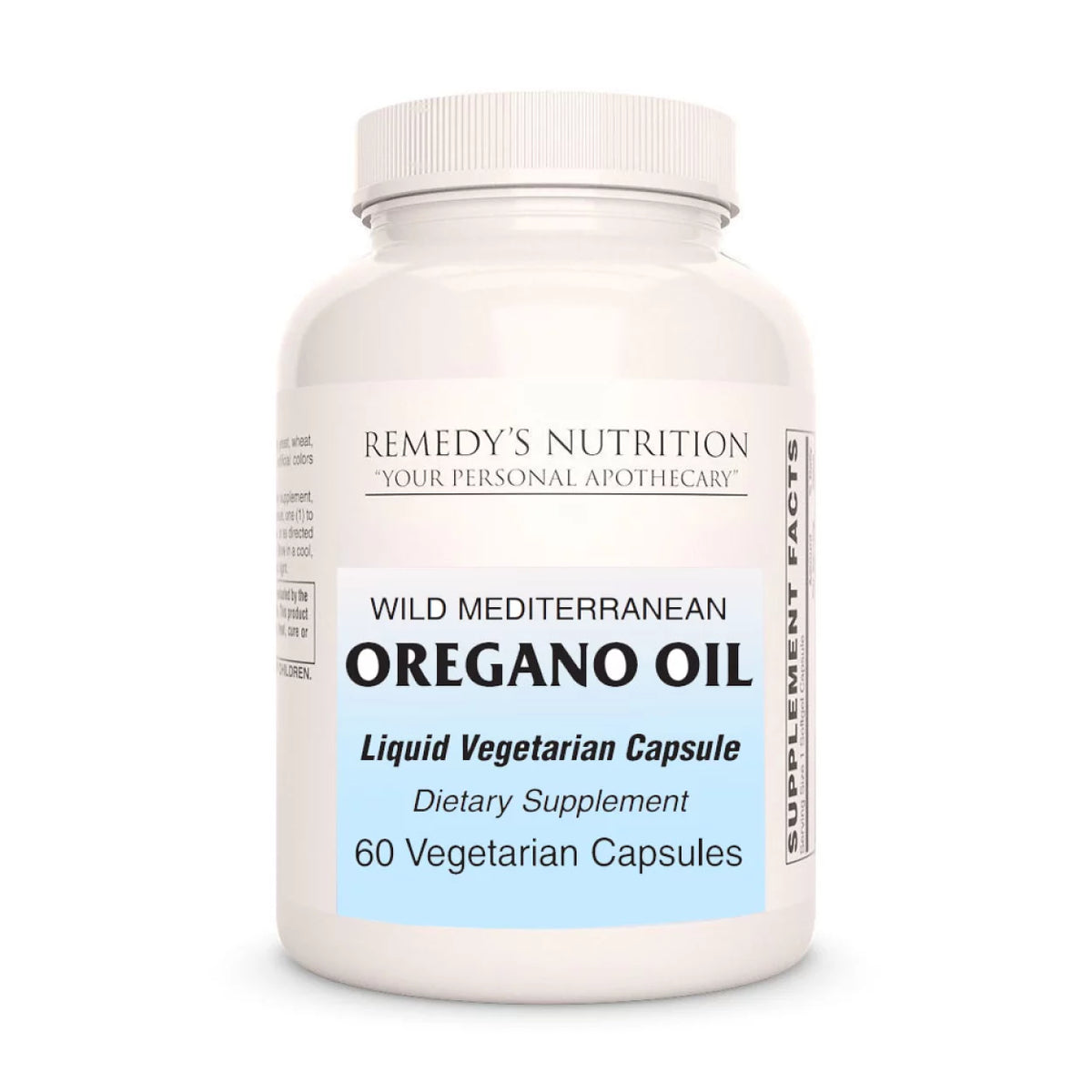
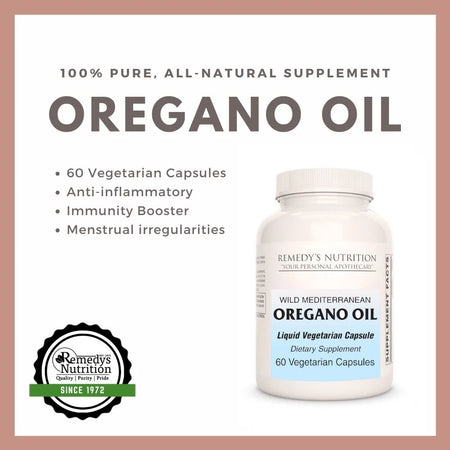
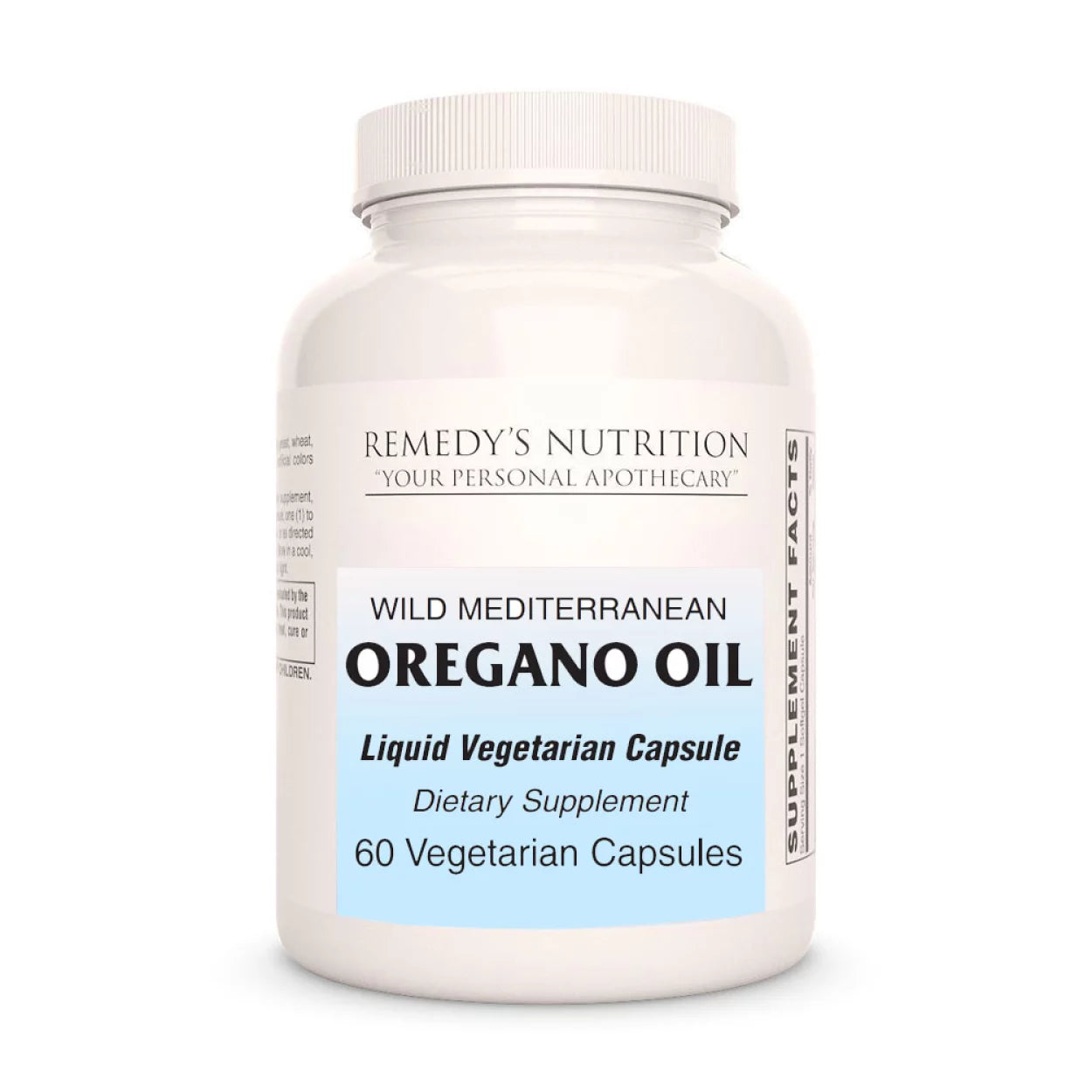
Oil of oregano is a concentrated botanical extract from Origanum vulgare, standardized for its primary active compound—carvacrol, a phenolic monoterpene responsible for 70–90% of oregano oil's documented antimicrobial, antifungal, and anti-inflammatory activity. Remedy's Oregano Oil Capsules deliver 45 mg of pure oregano oil per liquid vegan capsule, with a guaranteed minimum carvacrol concentration of 70% per batch. For the complete picture, see our complete guide to oregano oil capsules.
Carvacrol works by integrating into the phospholipid bilayer of microbial cell membranes, increasing permeability and triggering cell lysis in bacteria and fungi. This membrane-disruption mechanism is fundamentally different from how antibiotics work—it targets a structural feature shared by most pathogens, making it difficult for microorganisms to develop resistance through standard mutation pathways. [1]Carvacrol and Human Health: A Comprehensive Review — Phytother Res (2018) View source
Beyond carvacrol, oregano oil contains thymol, rosmarinic acid, and flavonoids (luteolin, apigenin)—compounds that act synergistically. Thymol inhibits bacterial enzyme systems and potentiates carvacrol's membrane-disrupting action. Rosmarinic acid adds antiviral and antioxidant activity, while flavonoids modulate inflammatory signaling via MAPK and NF-kB pathways. Read the full health benefits of oregano oil capsules documented in peer-reviewed research.
| Active Compound |
Primary Mechanism |
Key Actions |
| Carvacrol (70%+ min.) |
Cell membrane disruption; NF-kB suppression |
Antimicrobial, antifungal, anti-inflammatory |
| Thymol |
Enzyme inhibition; synergy with carvacrol |
Antifungal, antioxidant, antispasmodic |
| Rosmarinic Acid |
COX/LOX pathway inhibition; free-radical scavenging |
Antioxidant, antiviral, anti-inflammatory |
| Flavonoids (luteolin, apigenin) |
MAPK pathway modulation |
Anti-inflammatory, immune modulation |
Antimicrobial and Antifungal Evidence: What the Research Shows
Carvacrol has been tested against more than 25 bacterial and fungal species in published in vitro and in vivo research, making oregano oil one of the most studied natural antimicrobials available. A 2018 comprehensive review identified over 40 documented pharmacological properties for carvacrol alone, spanning antibacterial, antifungal, antiviral, and antiparasitic activity. [1]Carvacrol and Human Health: A Comprehensive Review — Phytother Res (2018) View source
-
Bacteria: Active against E. coli, Staphylococcus aureus, Salmonella typhimurium, Listeria monocytogenes, and drug-resistant MRSA at minimum inhibitory concentrations (MIC) of 0.05–0.5 mg/mL
-
Candida and yeast: Inhibited all 5 tested Candida albicans strains in a landmark study; disrupts biofilm formation at 0.125 mg/mL concentration [2]Antifungal Activity of Origanum Oil Against Candida albicans — Mol Cell Biochem (2001) View source
-
Thymol synergy: A 2020 review confirmed thymol active against 30+ bacterial strains and 20+ fungal species, amplifying carvacrol's activity when both are present [3]Thymol and Thyme Essential Oil — Therapeutic Applications — Molecules (2020) View source
-
Viral activity: Phenolic compounds from Origanum vulgare neutralized multiple human respiratory viruses including HSV-1 at low concentrations in cell-culture studies [4]Phenolics from Origanum: Antioxidant and Antiviral — Food Chem (2014) View source
This breadth of antimicrobial activity is the reason oregano oil has a role in integrative protocols targeting gut dysbiosis, recurrent infections, and seasonal immune threats. For a detailed comparison against antibiotic treatment, see our guide to oregano oil vs antibiotics.
Oregano Oil Capsules for Immune System Defense
Oregano oil supports immune function through 3 parallel mechanisms: direct antimicrobial elimination of pathogens (carvacrol disrupts microbial membranes), immune system modulation (rosmarinic acid upregulates NK-cell and T-cell activity), and antioxidant protection (free-radical scavenging reduces oxidative burden during infection). These mechanisms operate simultaneously rather than sequentially.
-
Antiviral defense: Rosmarinic acid inhibited HSV-1 replication by up to 98% at 50 μg/mL in cell-culture studies; antiviral activity also confirmed against influenza A
-
Immune modulation: Carvacrol reduces excessive cytokine production (TNF-alpha, IL-6) that causes tissue damage during infection—NF-kB suppression confirmed in macrophage models at 60–75% reduction [5]Carvacrol Suppresses LPS-Induced Inflammation in Macrophages — Int Immunopharmacol (2019) View source
-
Antioxidant barrier: Rosmarinic acid DPPH IC50 approximately 15 μM—comparable to vitamin E in standardized free-radical scavenging assays
-
MRSA activity: Carvacrol active against methicillin-resistant Staphylococcus aureus at clinically relevant concentrations in lab models
Integrative practitioners commonly use a seasonal protocol of 1–2 capsules daily starting 2–3 weeks before cold and flu season. Read our complete guide to how oregano oil capsules support immune defense for protocol details and evidence review.
Gut Health, H. pylori, and Parasite Support
The gastrointestinal tract is where oregano oil delivers some of its most practical benefits. Carvacrol and thymol exert direct antimicrobial pressure on pathogenic gut bacteria while largely sparing beneficial Lactobacillus and Bifidobacterium species at standard supplemental doses. A 2024 clinical review found oregano oil effective as a gut-protocol adjunct for H. pylori, SIBO, and intestinal dysbiosis management. [6]Herbal Supplements in GI Infection Management — Nutrients (2024) View source
-
H. pylori support: Carvacrol inhibits H. pylori colonization and reduces urease activity by approximately 40% in in vitro models; used as an adjunct in eradication protocols
-
SIBO and dysbiosis: Applied in 4–6 week antimicrobial protocols alongside probiotics to rebalance gut flora after dysbiosis is confirmed
-
Candida overgrowth: Disrupts Candida biofilm formation—the adhesion matrix that makes Candida resistant to standard antifungal treatments
-
Parasites: Carvacrol has demonstrated antiparasitic activity against Blastocystis hominis and Entamoeba species in human pilot data—see our review of oregano oil for parasites and intestinal pathogens
-
Gut motility: Thymol has mild antispasmodic properties that reduce cramping and bloating during antimicrobial protocols
For gut-focused use, pairing oregano oil capsules with a high-quality probiotic after completing a gut-clearing protocol helps re-establish beneficial bacteria. Cycling is recommended—see the dosage section below for timing details.
Oregano Oil Capsule Dosage and Timing Guide
Dosage depends on your therapeutic goal. At 45 mg carvacrol per capsule, Remedy's Oregano Oil Capsules are concentrated—the liquid oil format ensures rapid release compared to dry powder capsules. For general wellness and antioxidant support, 1–2 capsules daily is the standard starting point. For active antimicrobial protocols, practitioners typically use 2–4 capsules per day in divided doses with meals.
| Goal |
Dose (45 mg capsules) |
Timing |
Duration |
| General Wellness / Antioxidant |
1–2 capsules/day |
With or without food; morning preferred |
Continuous; 8–12 week cycles with 2–4 week breaks |
| Immune Defense (seasonal) |
2–3 capsules/day |
With food to reduce GI irritation; divided AM/PM |
4–6 weeks during peak season; repeat as needed |
| Gut Dysbiosis / SIBO Protocol |
2–4 capsules/day |
With meals, 2–3 times daily |
3–6 weeks; follow with 4–6 weeks probiotic re-seeding |
| Candida Overgrowth |
3–4 capsules/day |
With food; divide AM/PM equally |
4–8 weeks; taper and rotate antifungals |
| Acute Infection Support |
2–3 capsules/day as adjunct |
With food; maintain hydration |
7–14 days; do not substitute for prescribed antibiotics |
Starting protocol: Begin with 1 capsule daily for the first 7 days to assess GI tolerance. Some users experience mild warmth or loose stools initially—this typically resolves within the first week. For a complete evidence-based timing breakdown, see our guide on the best time to take oregano oil capsules.
Oregano Oil Capsules vs Mediterranean Oregano Capsules: What's the Difference?
Remedy's offers two oregano supplement formats. Understanding the difference helps you choose the right product for your specific goals. The key distinction is delivery format and dose concentration—both use Origanum vulgare as the source, but the extraction and encapsulation method differs significantly.
| Feature |
Oregano Oil Capsules 45 mg |
Mediterranean Oregano 1000 mg |
| Format |
Liquid oil in vegan softgel capsule |
Whole-herb dry extract in vegan capsule |
| Carvacrol per capsule |
45 mg concentrated oil (~70% carvacrol) |
Variable; 65–85% of 1000 mg whole herb |
| Best for |
Targeted antimicrobial, gut, parasite protocols; quick absorption |
Daily wellness, broad phytochemical spectrum, long-term antioxidant support |
| Bioavailability |
High—liquid oil absorbs faster in GI tract |
Enteric-coated for small-intestine release; slower, sustained delivery |
| Serving size |
60 liquid capsules (2-month supply at 1/day) |
60 vegan capsules (2-month supply at 1/day) |
If you are targeting active Candida, gut pathogens, or a short-term antimicrobial protocol, the concentrated liquid oil capsule format is typically preferred for its faster absorption. For ongoing immune maintenance and antioxidant coverage, the full-spectrum Mediterranean Oregano 1000 mg capsules provide a broader phytochemical profile per serving.
Who Should Consider Oregano Oil Capsules
Oregano Oil Capsules are appropriate for healthy adults seeking targeted antimicrobial or immune support. They are most commonly used for gut health protocols, seasonal immune defense, and as a complement to functional medicine approaches for dysbiosis management.
-
Adults with recurrent gut issues: Those experiencing recurring bloating, dysbiosis, suspected SIBO, or H. pylori history benefit from the concentrated liquid oil format's direct antimicrobial activity in the GI tract
-
Seasonal immune support users: People who want a natural complement to their winter wellness routine—particularly those prone to recurrent sinus or respiratory infections
-
Candida management: Individuals following a functional medicine Candida protocol often use oregano oil as one component of a multi-herb antifungal rotation
-
Travel and food safety: Travelers to destinations with higher foodborne illness risk frequently use oregano oil as prophylactic gut support during trips
-
Parasite cleanse support: Those following an integrative parasite protocol benefit from carvacrol's documented antiparasitic activity against intestinal protozoa
Not recommended for: Pregnant or breastfeeding women, children under 12, individuals on blood thinners or immunosuppressants (see Safety section below), or anyone with a Lamiaceae family plant allergy. See our safe use guide for oregano oil capsules for complete eligibility information.
Supplement Facts: What Is Inside Each Capsule
Each bottle of Remedy's Oregano Oil Capsules contains 60 liquid vegan capsules, providing a 60-day supply at the standard 1-capsule-per-day dose or a 30-day supply at the 2-capsule-per-day immune protocol dose. The formula is clean—no fillers, binders, or artificial additives beyond the minimal encapsulation components required for vegan liquid capsule integrity.
| Supplement Facts |
Per Serving (1 Capsule) |
| Oregano Oil (Origanum vulgare) |
45 mg (concentrated liquid oil, min. 70% carvacrol) |
| Carvacrol (from Oregano Oil) |
Approximately 31.5 mg per capsule |
| Thymol (naturally occurring) |
Present; exact % varies by harvest batch |
| Rosmarinic Acid (naturally occurring) |
Present; part of full-spectrum extract |
| Capsule shell |
Vegan cellulose (HPMC)—no gelatin |
| Other ingredients |
Organic olive oil (carrier), None other |
| Servings per container |
60 |
| SKU |
787500072927 |
- Vegan—no gelatin, no animal-derived ingredients
- Non-GMO verified
- No artificial colors, preservatives, or sweeteners
- No wheat, soy, dairy, or common allergens (beyond Lamiaceae plant family)
- Made in Key Largo, FL, USA—pharmacist-reviewed manufacturing
How to Choose Quality Oregano Oil: What to Look For
The oregano oil supplement market has a significant adulteration problem. A laboratory survey found that over 30% of commercially sold oregano oil products contained no detectable carvacrol—having been diluted with less expensive marjoram or thyme oils. Here is what to verify before purchasing any oregano oil capsule. For our in-depth expert analysis, see the complete guide to buying oregano oil capsules.
-
Carvacrol content on COA: Minimum 55% carvacrol by GC analysis for therapeutic effect. Remedy's tests at 70% minimum per batch—batch-specific COA available on request
-
Species verification: Must be Origanum vulgare—not marjoram (Origanum majorana), which has a fundamentally different and weaker chemistry profile
-
Liquid vs. dry extract: Liquid oregano oil capsules provide faster absorption of the active phenolic compounds vs. dry powder capsules at equivalent carvacrol doses
-
Third-party testing: Independent lab verification for heavy metals (Pb, Cd, As, Hg), pesticide residues, and microbial contamination—ask for batch-specific results
-
No undisclosed carrier oils: Some products use cheap refined carrier oils that oxidize rapidly. Remedy's uses organic olive oil—stable and food-grade
For a head-to-head comparison of top brands, see our best oregano oil capsules expert review with lab-verified carvacrol content comparisons. [7]Carvacrol: Lipids, Oxidative Stress, Cardiovascular — Food Sci Nutr (2024) View source
Why Choose Remedy's Nutrition Oregano Oil Capsules
Remedy's Nutrition produces its Oregano Oil Capsules in Key Largo, FL under pharmacist supervision, with every batch COA-tested before release. The liquid capsule format delivers concentrated carvacrol with higher absorption speed compared to dry herb powders—important for acute protocols where bioavailability timing matters.
| What You Get |
Why It Matters |
| 45 mg concentrated liquid oil per capsule |
Minimum 70% carvacrol confirmed per batch—approximately 31.5 mg active carvacrol per capsule; higher than most dry-powder competitors |
| Liquid vegan softgel format |
Faster absorption of phenolic compounds vs. dry powder capsules; vegan HPMC shell (no gelatin) |
| 60 capsules (2-month supply) |
Full 60-day supply at 1 capsule/day maintenance dose; cost-effective for ongoing protocols |
| No fillers or flow agents |
No magnesium stearate, silicon dioxide, or diluting excipients that reduce effective dose |
| Third-party COA-tested every batch |
Carvacrol %, heavy metals (Pb, Cd, As, Hg), and microbial purity verified before release |
| Pharmacist-reviewed formula |
Formulated and quality-controlled under pharmacist supervision at Remedy's Key Largo, FL facility |
| Vegan, Non-GMO, made in USA |
Suitable for all dietary lifestyles; no animal-derived capsule shell or ingredients |
Drug Interactions and Safety: What You Must Know Before Starting
Oregano oil is a pharmacologically active botanical—not an inert culinary herb. Carvacrol is metabolized via CYP3A4 and CYP2C9 liver enzymes and exhibits anticoagulant and hypoglycemic properties that interact with multiple medication classes. Review these interactions carefully before starting. For the complete safety profile, see our detailed article on oregano oil capsule side effects and how to avoid them. [8]Antifungal and Anti-Virulent Activity of Origanum — Molecules (2022) View source
Safety Notice: If you take prescription blood thinners, immunosuppressants, diabetes medications, or narrow-therapeutic-index drugs, consult your healthcare provider before starting oregano oil supplementation. This product is pharmacologically active—treat it accordingly.
| Drug Class |
Interaction |
Recommendation |
| Anticoagulants (warfarin, heparin, DOACs) |
Carvacrol inhibits platelet aggregation via COX-1; may enhance anticoagulant effect and increase bleeding risk |
Avoid concurrent use; if combining, monitor INR closely and inform prescriber |
| Diabetes medications (metformin, insulin, sulfonylureas) |
Carvacrol has mild hypoglycemic properties; additive effect may cause low blood sugar episodes |
Monitor blood glucose; dose adjustment may be necessary—consult physician |
| CYP3A4 substrates (many statins, immunosuppressants) |
Carvacrol modulates CYP3A4 activity; may alter plasma levels of co-administered drugs |
Use caution with narrow-therapeutic-index CYP3A4 drugs; pharmacist review recommended |
| Cyclosporine (immunosuppressant) |
CYP3A4 modulation may increase cyclosporine blood levels unpredictably |
Contraindicated—do not combine without specialist supervision |
| NSAIDs (ibuprofen, aspirin) |
Both oregano oil and NSAIDs inhibit COX pathways; additive antiplatelet and GI irritation effects |
Avoid concurrent regular use; single doses are lower risk but monitor GI tolerance |
| Iron supplements |
Oregano polyphenols chelate non-heme iron and reduce absorption by 25–40% |
Separate oregano oil and iron supplements by at least 2 hours |
| Antifungal pharmaceuticals (fluconazole, ketoconazole) |
Additive antifungal effect; may cause excessive fungal die-off (Herxheimer) reactions |
Use together only under practitioner supervision; monitor for die-off symptoms |
| Antibiotics |
Oregano oil may complement antibiotics but CYP3A4 modulation could alter antibiotic pharmacokinetics |
Inform your physician if combining; do not substitute oregano oil for prescribed antibiotics |
Pregnancy, Nursing, and Children: Firm Contraindications
These are not precautionary suggestions—they are firm contraindications based on documented physiological mechanisms and insufficient safety data for these populations.
Pregnancy—CONTRAINDICATED: Oregano oil has documented uterotonic properties (stimulates uterine contractions) and has historically been used as an emmenagogue. Use during pregnancy may increase the risk of miscarriage. Do not use at any dose during pregnancy.
-
Breastfeeding: Insufficient safety data exists for nursing women. Carvacrol transfers to breast milk in animal models. Avoid use while breastfeeding and consult your physician if considering supplementation
-
Children under 12: No pediatric safety data for supplemental doses. Standard culinary amounts in food are not a concern, but capsule-dose concentrations should not be given to children under 12 years of age
-
Lamiaceae allergy: Oregano belongs to the Lamiaceae (mint) family. Cross-reactivity is documented with basil, thyme, sage, mint, and lavender. Anyone with a confirmed Lamiaceae allergy should avoid oregano oil supplements
-
Pre-surgery (within 2 weeks): Due to antiplatelet effects, discontinue oregano oil at least 14 days before any scheduled surgery. Inform your anesthesiologist and surgical team
-
Severe liver impairment: CYP enzyme-mediated metabolism may be impaired; avoid use or reduce dose under hepatologist supervision
Frequently Asked Questions
What is the standard dose of Remedy's Oregano Oil Capsules? +
The standard maintenance dose is 1 capsule (45 mg) per day. For active immune defense, gut, or antimicrobial protocols, practitioners typically use 2–4 capsules daily divided across 2–3 meals. Start with 1 capsule for the first 7 days to assess GI tolerance before increasing dose.
How long does it take for oregano oil capsules to work? +
For acute gut or immune protocols, noticeable effects typically appear within 5–10 days of consistent use at 2–4 capsules daily. For antioxidant and cardiovascular benefits, most studies measure outcomes after 4–8 weeks of supplementation. Individual response varies based on the target condition.
Can I take oregano oil capsules every day? +
Yes—daily use at 1–2 capsules is considered safe for most healthy adults for up to 12 consecutive weeks. After 12 weeks, a 2–4 week break is recommended to prevent potential disruption of beneficial gut flora. Long-term daily use beyond 3 months has not been adequately studied in clinical trials.
Is oregano oil safe to take with antibiotics? +
Oregano oil may complement antibiotics by targeting resistant strains and reducing biofilm formation, but it must not substitute prescribed antibiotic therapy. There is a theoretical risk of altered antibiotic pharmacokinetics via CYP3A4 modulation. Always inform your physician if combining oregano oil with a 5–14 day antibiotic course.
Does oregano oil help with Candida or yeast overgrowth? +
Yes—oregano oil has well-documented antifungal activity against Candida albicans. A 2001 study showed complete inhibition of all 5 tested Candida strains at 0.125 mg/mL carvacrol concentration. Typical protocol: 2–4 capsules daily for 4–8 weeks, combined with a low-sugar diet and followed by probiotic re-seeding.
Can oregano oil capsules be taken on an empty stomach? +
Yes, but GI tolerance varies. Taking on an empty stomach increases systemic absorption—useful for immune or cardiovascular goals—but roughly 15–20% of users experience mild GI warmth, nausea, or loose stools. Start with food for the first 2 weeks to reduce this risk. Liquid capsules may be slightly more irritating than dry-powder forms when taken without food.
What is carvacrol and why does the percentage matter? +
Carvacrol is the primary active phenol in oregano oil, responsible for 70–90% of its antimicrobial and antifungal activity. Products below 55% carvacrol have substantially reduced efficacy. Remedy's Oregano Oil Capsules are standardized to a minimum 70% carvacrol concentration, verified by GC analysis on every batch.
Is oregano oil safe during pregnancy? +
No—oregano oil is contraindicated during pregnancy. At supplemental doses, carvacrol has documented uterotonic activity and has historically been used to stimulate uterine contractions. Even 1 capsule per day exceeds culinary concentrations significantly. Do not use oregano oil supplements at any dose during pregnancy without explicit physician approval.
Can oregano oil interact with blood thinners? +
Yes—carvacrol inhibits platelet aggregation via COX-1 pathways, which can enhance the effect of warfarin, heparin, and DOACs like apixaban or rivaroxaban. This interaction can meaningfully raise bleeding risk. If you take any anticoagulant medication, consult your physician before using oregano oil and monitor INR if applicable.
How does oregano oil compare to prescription antifungals? +
In vitro studies show carvacrol inhibiting Candida at minimum inhibitory concentrations of 0.05–0.5 mg/mL, comparable to fluconazole for some strains. However, prescription antifungals have completed large-scale RCTs for systemic infections; oregano oil has not. For superficial or gut Candida, oregano oil is a well-supported adjunct. Systemic or invasive fungal infections require prescription treatment.
What side effects can oregano oil capsules cause? +
The most common side effects are GI-related: mild burning in the esophagus or stomach (20–30% of users), loose stools (10–15%), and nausea (5–10%)—most common when taken on an empty stomach. Allergic reactions can occur in those with Lamiaceae family allergies. Discontinue and seek care if you experience hives, facial swelling, or difficulty breathing.
How many capsules come in one bottle and how long will it last? +
Each bottle contains 60 liquid vegan capsules. At the standard 1-capsule-per-day maintenance dose, 1 bottle provides a 60-day (2-month) supply. At the 2-capsule-per-day immune or gut protocol dose, 1 bottle provides a 30-day supply. The price is $29.99 per bottle.
When is the best time to take oregano oil capsules? +
For gut-targeted protocols (SIBO, Candida, H. pylori), take with meals 2–3 times daily to maximize gut exposure time. For systemic immune or antioxidant effects, morning on an empty stomach (30 minutes before breakfast) is preferred for higher blood-level absorption. Avoid taking within 2 hours of iron supplements or prescription medications that interact via CYP3A4.
You May Also Like
-
Mediterranean Oregano 1000 mg Capsules — full-spectrum whole-herb oregano extract with 65–85% carvacrol in enteric-coated vegan capsules; ideal for daily wellness and broad-spectrum antioxidant support
-
Oregano Tincture 2 fl oz — liquid oregano botanical tincture for flexible dosing; pairs well with the capsule form for combined systemic and localized antimicrobial support