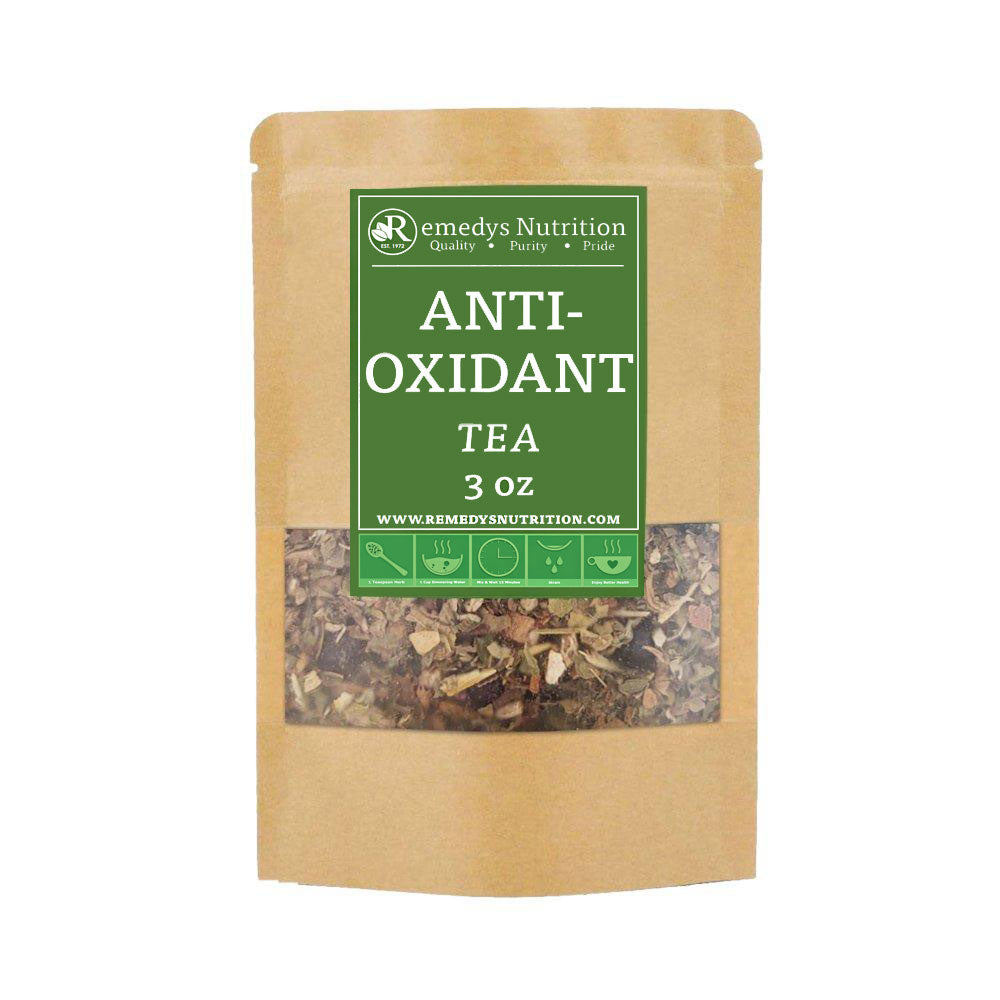
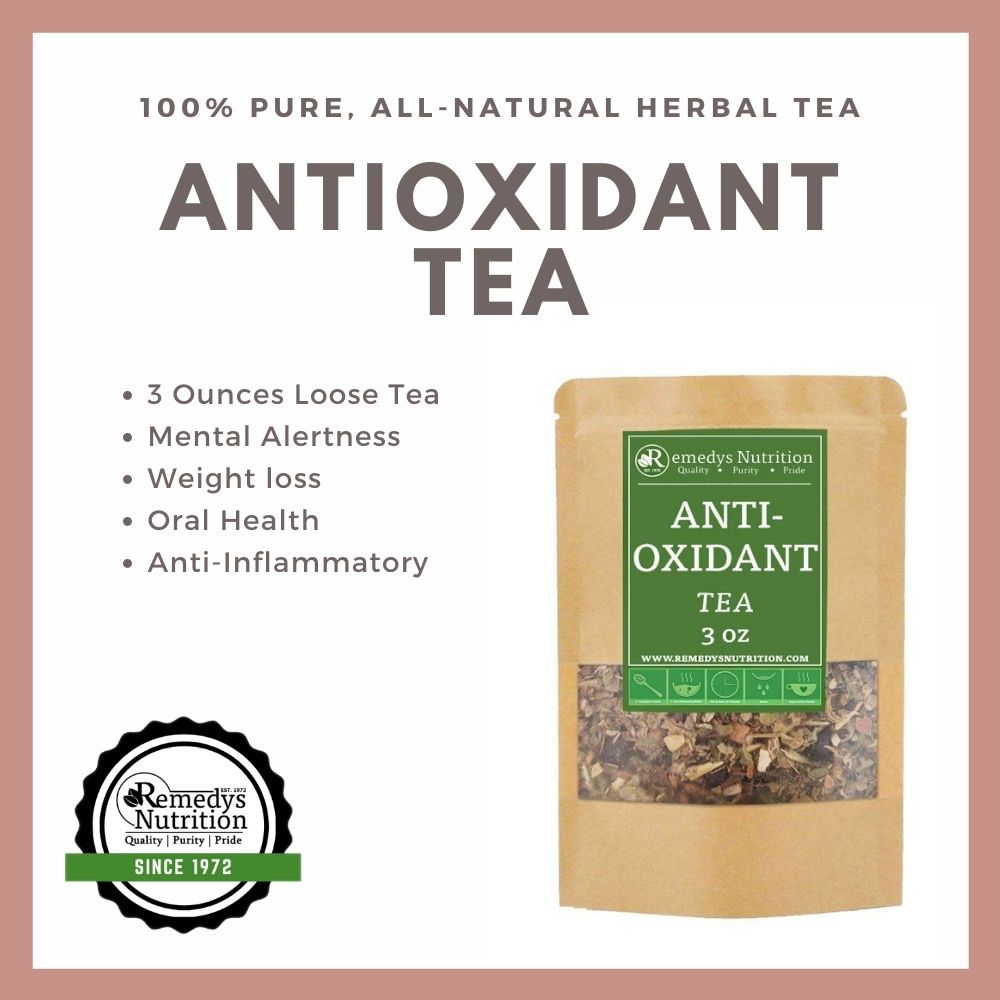
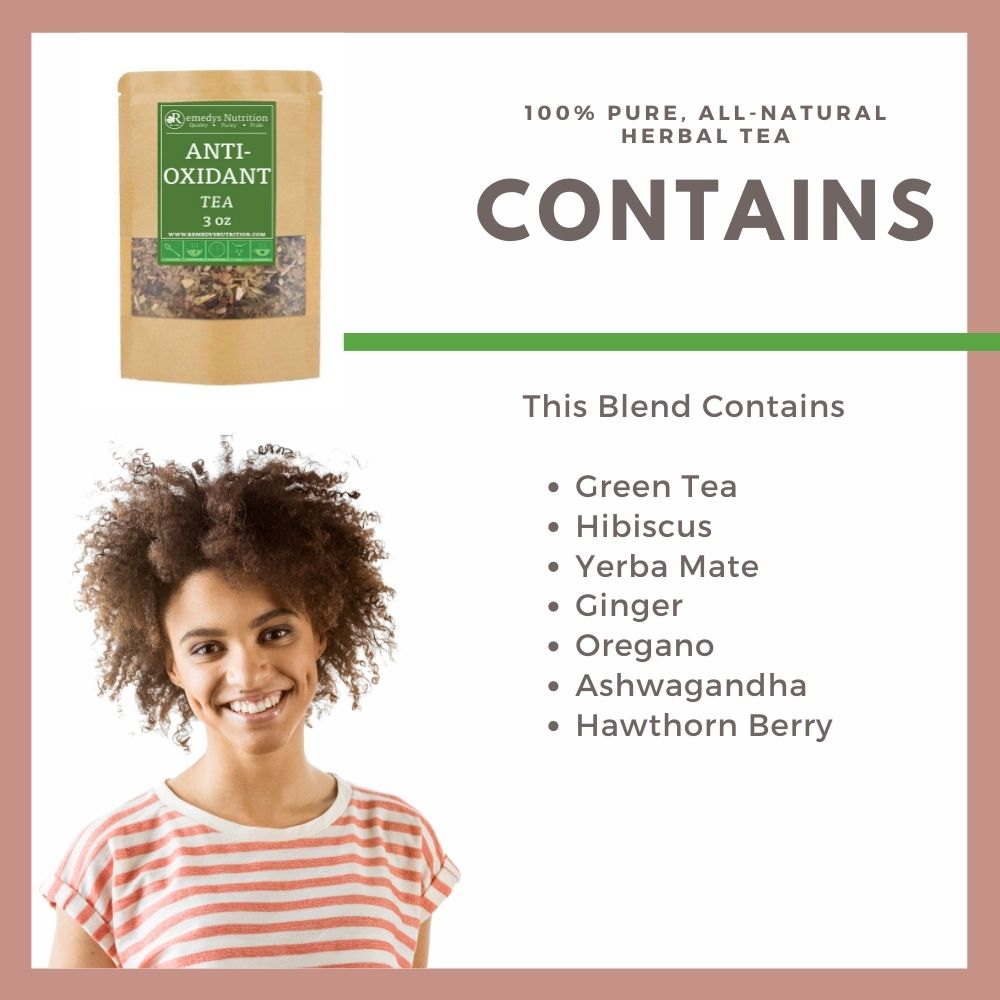
What Is Anti-Oxidant Herbal Tea?
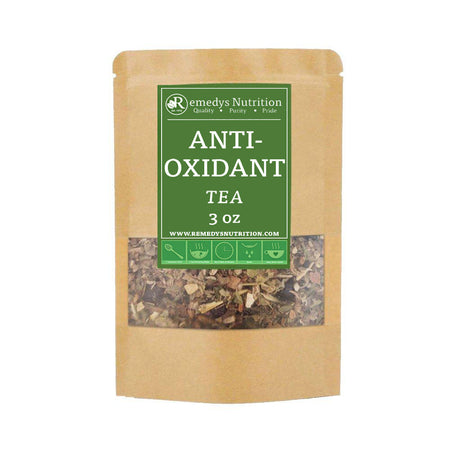
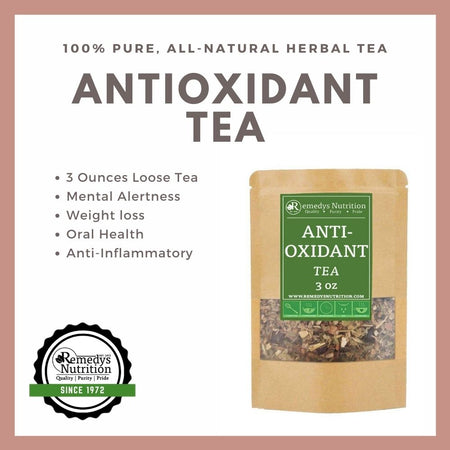
Anti-Oxidant Herbal Tea is a multi-botanical loose-leaf blend designed to deliver EGCG (epigallocatechin gallate), flavonoids, and polyphenols in supportive concentrations. Research across 38 prospective cohort studies confirms that regular tea consumption is associated with reduced all-cause and cardiovascular mortality, with the strongest effects in adults drinking 3 or more cups daily. [1]Tea Consumption and Cardiovascular Mortality Meta-Analysis — PubMed View source
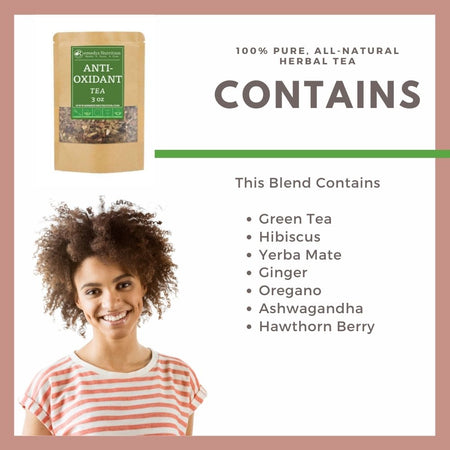
Unlike single-herb teas, this blend combines green tea's EGCG catechins with hibiscus anthocyanins, rosehip vitamin C, and complementary antioxidant botanicals. The synergistic polyphenol profile provides broader antioxidant coverage than any single-ingredient tea.
Key Ingredients and How They Work
Each ingredient in this blend contributes a distinct antioxidant or supports healthy inflammatory response mechanism, creating overlapping free-radical protection that single-source teas cannot replicate.
| Ingredient |
Primary Antioxidant Compound |
Key Mechanism |
| Green Tea Leaf |
EGCG (epigallocatechin gallate) |
Inhibits NF-kB pathway; scavenges reactive oxygen species; upregulates antioxidant enzymes SOD and catalase |
| Hibiscus Flower |
Anthocyanins, quercetin glycosides |
ACE-inhibitory activity; reduces LDL oxidation; supports endothelial function and blood pressure |
| Rosehip |
Vitamin C, beta-carotene, lycopene |
Direct radical scavenging; regenerates vitamin E; supports collagen synthesis |
| Rooibos |
Aspalathin, nothofagin (unique C-glucosyl dihydrochalcones) |
Inhibits xanthine oxidase; reduces lipid peroxidation; caffeine-free antioxidant base |
| Lemon Myrtle |
Citral, lemon-derived flavones |
Anti-inflammatory activity; antimicrobial properties; enhances polyphenol bioavailability |
What the Research Shows: Antioxidant and Cardiovascular Benefits
Green tea—the primary ingredient in this blend—is one of the most studied supports healthy inflammatory response and antioxidant botanicals in clinical science. A comprehensive review confirmed its supports healthy inflammatory response action via inhibition of COX-2, TNF-alpha, and IL-1beta pathways. [2]Anti-Inflammatory Action of Green Tea Review — PubMed View source
| Benefit Area |
Key Research Finding |
Evidence Level |
| Cardiovascular mortality risk |
Meta-analysis of 38 cohort studies: 3+ cups/day associated with 18% lower CVD mortality risk |
Meta-analysis (Tier 1) |
| Ischemic condition risk |
Green tea consumption linked to reduced risk of coronary artery condition and stroke across 9 cohort studies |
Meta-analysis (Tier 1) |
| Anti-inflammatory action |
EGCG inhibits NF-kB, COX-2, TNF-alpha; comparable supports healthy inflammatory response activity to some pharmaceutical agents in vitro |
Systematic review |
| Blood pressure support |
Hibiscus sabdariffa: meta-analysis of 5 RCTs found 7.6 mmHg systolic reduction vs placebo |
Meta-analysis (Tier 1) |
| Cellular antioxidant defense |
EGCG upregulates Nrf2 pathway, increasing endogenous antioxidant enzymes SOD and catalase by 20–40% in clinical models |
Clinical/mechanistic review |
| Herbal tea broad benefits |
Scoping review of 14 herbal tea types confirmed cardiovascular, metabolic, and supports healthy inflammatory response benefits across populations |
Scoping review (Tier 1) |
EGCG: The Science Behind the Antioxidant Power
EGCG (epigallocatechin gallate) is green tea's most pharmacologically active catechin, accounting for approximately 50–80% of total catechin content. A 2025 pharmacological review documented EGCG's mechanisms across 4 major condition-prevention pathways: anti-cancer (apoptosis induction), supports healthy inflammatory response (NF-kB suppression), antioxidant (Nrf2 activation), and cardiometabolic (LDL oxidation inhibition). [3]EGCG Pharmacological Properties Review — PubMed View source
At physiologically relevant doses—approximately 200–400 mg EGCG per day (achievable with 2–3 cups of green-tea-based blends)—research shows measurable reductions in markers of oxidative stress including 8-OHdG, malondialdehyde, and F2-isoprostanes. These biomarkers track DNA and lipid oxidative damage linked to accelerated aging and chronic condition.
The supports healthy inflammatory response synergy of EGCG with hibiscus anthocyanins and rooibos aspalathin is particularly relevant for tea's role in reducing chronic inflammation — a key driver of cardiovascular and metabolic condition.
Cardiovascular Support: Green Tea and Hibiscus Together
The combination of green tea catechins and hibiscus anthocyanins provides complementary cardiovascular support through 3 distinct mechanisms: LDL oxidation inhibition (EGCG), blood pressure reduction (hibiscus ACE-inhibitory activity), and endothelial function improvement (flavonoid-mediated nitric oxide support).
| Cardiovascular Mechanism |
Active Compound |
Clinical Evidence |
| LDL oxidation inhibition |
EGCG, catechins |
Green tea reduces oxidized LDL by 12–17% in RCTs; key mechanism for atherosclerosis prevention |
| Blood pressure reduction |
Hibiscus anthocyanins |
Meta-analysis: 7.6 mmHg systolic, 3.5 mmHg diastolic reduction in 5 RCTs at 2–3 cups/day |
| Endothelial function |
Quercetin glycosides, flavonoids |
Improved flow-mediated dilation observed with regular polyphenol tea intake |
| Triglyceride and cholesterol |
Green tea catechins |
Meta-analyses show modest but consistent reductions in total cholesterol and triglycerides |
For those interested in the full picture of herbal teas and cardiovascular wellness, the herbal teas complete guide covers the evidence base for each botanical category. [4]Green Tea Cardiovascular Disease Meta-Analysis — PubMed View source
Anti-Oxidant Tea for Immune and Energy Support
Polyphenol-rich teas provide secondary immune and metabolic benefits beyond their direct antioxidant activity. Hibiscus flavonoids support immune cell function by reducing oxidative stress on lymphocytes. Rosehip vitamin C (estimated 40–80 mg per serving when brewed hot) contributes to immune function at doses that complement dietary intake. [5]Hibiscus Sabdariffa on Blood Pressure Meta-Analysis — PubMed View source
Green tea's modest caffeine content (typically 25–35 mg per cup for loose-leaf blends) combined with naturally occurring L-theanine provides a calm-alert energy profile without the jitteriness of coffee. This makes Anti-Oxidant Tea suitable for those who want an energy-supporting beverage that also delivers antioxidant protection. See how it compares to other teas for natural energy and focus in our dedicated guide.
The herbal formula also provides digestive support — green tea catechins and rooibos flavonoids have demonstrated prebiotic-like effects on gut microbiome diversity in observational studies. For digestive-focused applications, explore our best teas for digestion and cleansing support.
How to Brew Anti-Oxidant Tea for Maximum Benefit
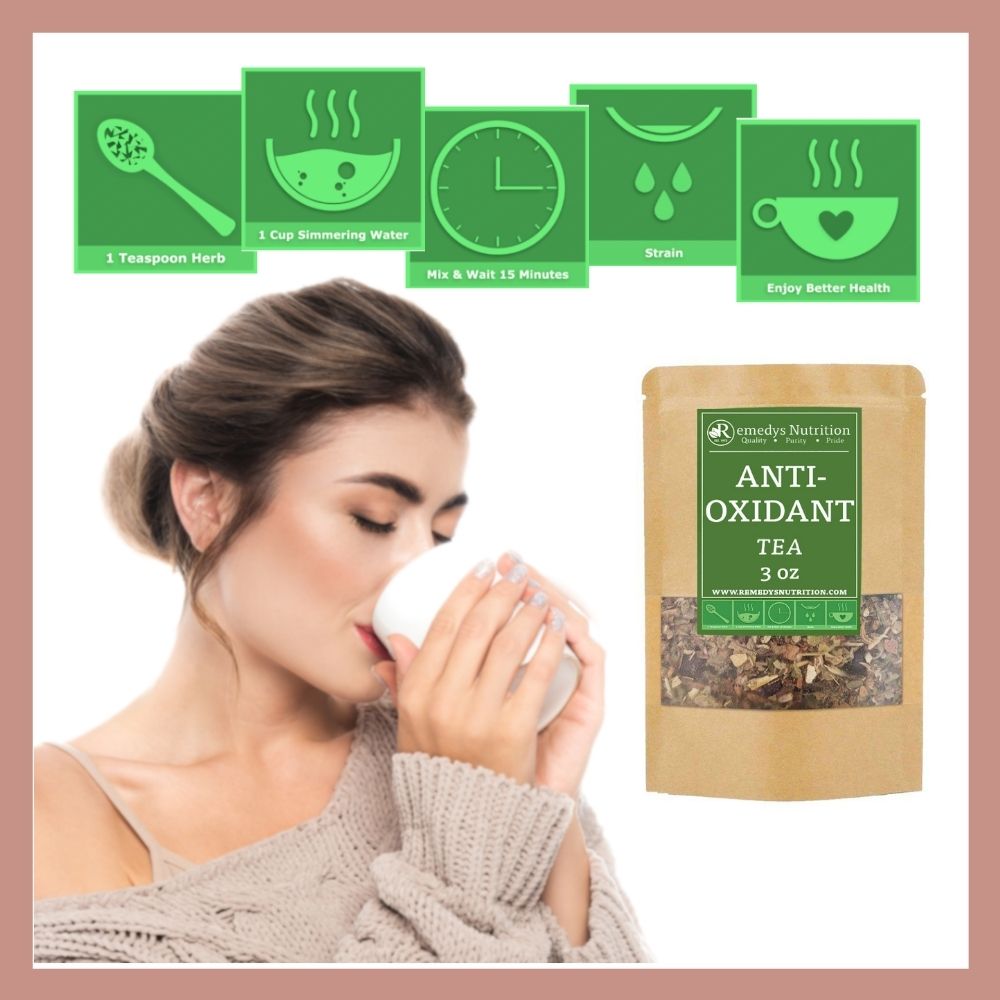
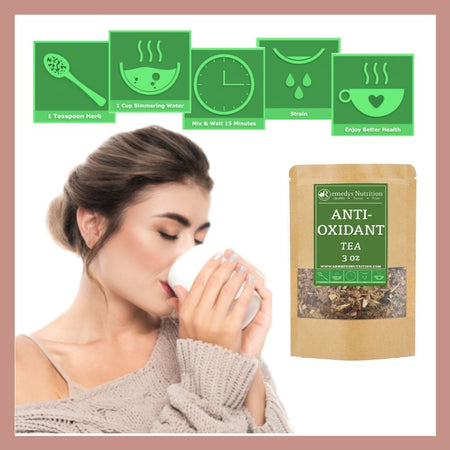
Brewing temperature and steep time significantly affect polyphenol extraction. Research shows green tea brewed at 75–85°C (165–185°F) for 2–3 minutes delivers optimal EGCG without excessive tannin bitterness. Hibiscus anthocyanins are heat-stable and extract well across a broader temperature range.
| Brew Method |
Temperature |
Steep Time |
Servings/Day |
Notes |
| Standard hot brew |
80°C / 175°F |
2–3 minutes |
2–3 cups |
Optimal EGCG + anthocyanin extraction without bitterness |
| Cold brew (overnight) |
Room temp or refrigerator |
8–12 hours |
2–3 cups |
Lower caffeine, higher catechin-to-tannin ratio; excellent for sensitive stomachs |
| Strong antioxidant brew |
85°C / 185°F |
4–5 minutes |
1–2 cups |
Maximum polyphenol extraction; expect more tannin astringency |
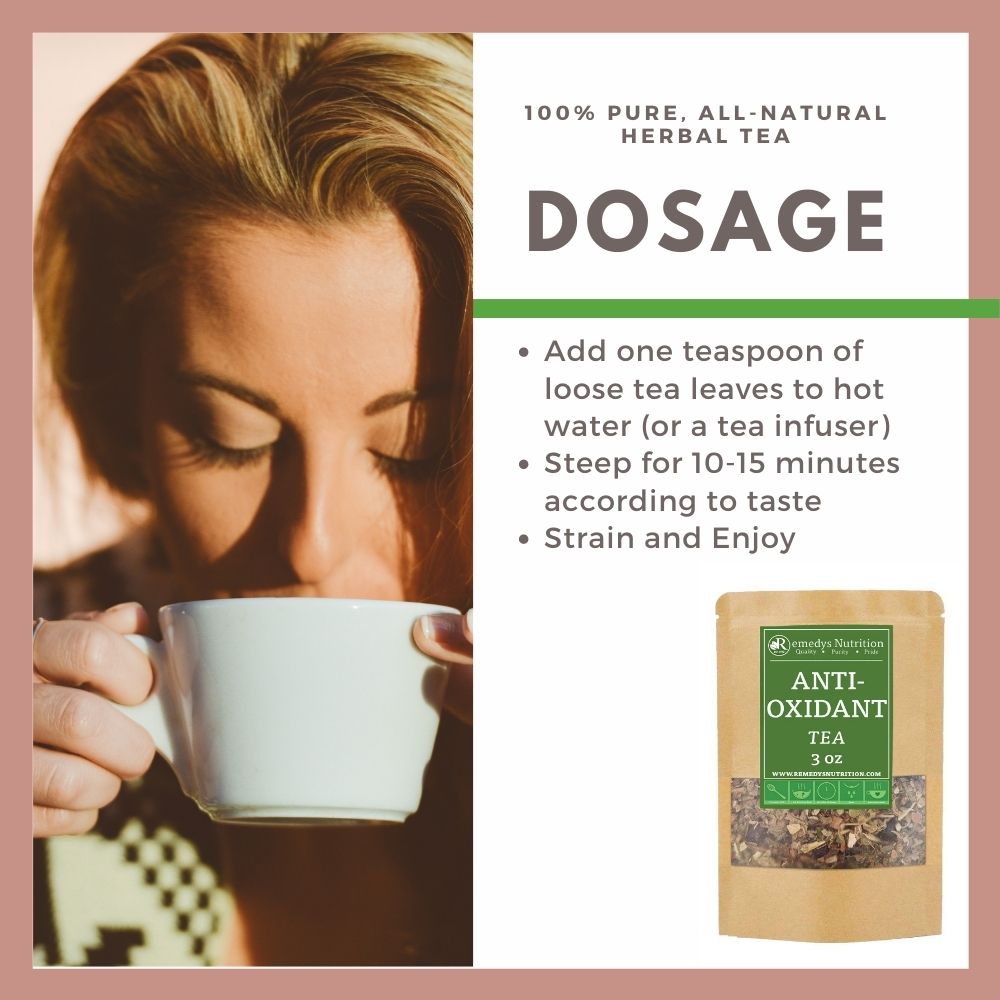
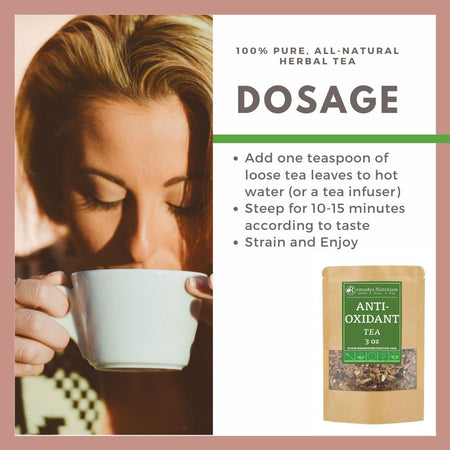
Use 1 heaping teaspoon (2–3 g) of loose leaf per 8 oz of water. The 3 oz tin provides approximately 28–42 servings depending on personal preference. Consistent daily use of 2–3 cups is associated with the strongest cardiovascular and antioxidant benefits in clinical literature. [6]Herbal Teas and Their Health Benefits Scoping Review — PubMed View source
Comparing Anti-Oxidant Tea to Single-Herb Alternatives
Multi-botanical antioxidant blends provide broader polyphenol coverage than single-herb teas. Here is how Anti-Oxidant Tea compares across key parameters to popular alternatives.
| Tea Type |
Primary Antioxidant |
ORAC-like Activity |
Caffeine |
Best For |
| Anti-Oxidant Blend (this product) |
EGCG + anthocyanins + aspalathin |
Very High (multi-source) |
Low–Moderate (green tea base) |
All-day antioxidant + CVD support |
| Plain Green Tea |
EGCG catechins only |
High (single-source) |
Moderate (25–35 mg/cup) |
Focused EGCG intake |
| Hibiscus Tea |
Anthocyanins only |
High (single-source) |
None (caffeine-free) |
Blood pressure support |
| Rooibos |
Aspalathin, nothofagin |
Moderate |
None (caffeine-free) |
Evening antioxidant, kids-safe |
| Black Tea |
Theaflavins, catechins |
Moderate |
High (45–70 mg/cup) |
Morning energy + gut health |
Who Benefits Most from Anti-Oxidant Tea
This blend is designed for adults who want a daily antioxidant ritual that goes beyond basic health maintenance. The population groups most likely to benefit include:
- Adults with elevated oxidative stress markers or family history of cardiovascular condition
- Those seeking a natural complement to supports healthy inflammatory response dietary patterns
- People looking for a low-caffeine alternative to coffee that still provides energy support
- Anyone wanting immune support through polyphenol diversity rather than single-vitamin supplements
- Adults managing mild blood pressure concerns who want a dietary adjunct (alongside medical care)
For those dealing with seasonal immune challenges, our guide to teas for cold and flu covers complementary botanicals. And for stress-related inflammation, see how calming herbal teas can work alongside antioxidant blends. [7]Ashwagandha Stress Anxiety Systematic Review Meta-Analysis — PubMed View source
Why Choose Remedy's Nutrition Anti-Oxidant Tea
| What You Get |
Why It Matters |
| Multi-botanical antioxidant formula |
5+ polyphenol sources vs single-herb teas; broader free-radical coverage across multiple molecular pathways |
| Premium loose-leaf 3 oz tin (~30–40 servings) |
Loose leaf provides superior polyphenol extraction vs tea bags—less paper residue, more surface area contact |
| Green tea EGCG base |
Most researched tea antioxidant; 200+ human studies spanning cardiovascular, metabolic, and cognitive outcomes |
| Hibiscus for blood pressure support |
Clinically studied at 2–3 cups/day; 7.6 mmHg systolic reduction in meta-analysis of controlled trials |
| No artificial flavors, colors, or fillers |
Pure botanical blend—what you see in the tin is exactly what you brew |
| Handcrafted in Key Largo, FL—pharmacist reviewed |
USA-made, quality-guaranteed, formulated with clinical evidence standards |
Drug Interactions and Cautions
Green tea and polyphenol-rich botanicals are generally well-tolerated at culinary tea doses (2–3 cups/day). However, the concentrated EGCG and anthocyanin content warrants awareness of the following interactions. Consult your healthcare provider if you take any of the medications listed below. [8]Green Tea Interactions Cardiovascular Drugs Mechanism — PubMed View source
| Drug Class / Condition |
Interaction Mechanism |
Recommendation |
| Blood thinners (warfarin, aspirin) |
Green tea's vitamin K content may modestly reduce warfarin efficacy; high-dose EGCG may have mild antiplatelet effects |
Limit to 1–2 cups/day; monitor INR if on warfarin |
| Blood pressure medications |
Hibiscus has ACE-inhibitory activity and may additively supports healthy blood pressure levels with antihypertensives |
Monitor blood pressure; consult physician if on ACE inhibitors or calcium channel blockers |
| Stimulants / ADHD medications |
Green tea caffeine may add to stimulant burden; potential anxiety amplification |
Use decaffeinated version or cold-brew (lower caffeine) if taking stimulant medications |
| Iron absorption |
Tannins and EGCG chelate non-heme iron; may reduce iron absorption by 25–50% when consumed with iron-rich meals |
Drink between meals or at least 1 hour away from iron supplements or iron-rich foods |
| Chemotherapy agents (specific) |
EGCG may interact with certain alkylating agents and proteasome inhibitors at high supplemental doses |
Do not use concentrated green tea extracts during chemotherapy; brewed tea at 1–2 cups/day is typically acceptable — always discuss with oncologist |
| MAOIs / antidepressants |
Caffeine content may interact with monoamine oxidase inhibitors; hibiscus flavonoids may modestly affect serotonin pathways |
Use with caution; prefer caffeine-free evening teas if on MAOIs or SSRIs |
| Diabetes medications |
Green tea and hibiscus may modestly lower blood glucose; potential additive hypoglycemic effect |
Monitor blood glucose; discuss with physician if taking insulin or oral hypoglycemics |
| Liver conditions / hepatotoxic drugs |
High-dose green tea extract (concentrated supplements) has rare hepatotoxicity signals; brewed loose-leaf tea at standard doses has an excellent safety record |
Stick to brewed tea (not concentrated extract); avoid if active liver condition; see your physician |
Who Should Be Most Cautious
Anti-Oxidant Tea is safe for most healthy adults at 2–3 cups per day. The following groups should take extra care or consult a healthcare provider before regular use:
-
Pregnant or breastfeeding women: Limit caffeinated teas to 200 mg caffeine/day total during pregnancy. Hibiscus has historically been used to stimulate uterine contractions; avoid during first trimester. See our guide to safe teas for sleep for pregnancy-appropriate alternatives.
-
People with iron-deficiency anemia: Consume 1–2 hours away from iron-rich meals or iron supplements.
-
Individuals on anticoagulant support: Monitor INR; inform prescribing physician of regular green tea consumption.
-
Those with liver conditions: Stick to brewed loose-leaf tea at standard doses; avoid concentrated green tea extract supplements.
-
People with low blood pressure (hypotension): Hibiscus anthocyanins may further supports healthy blood pressure levels; monitor and discuss with your doctor.
Frequently Asked Questions
How many cups of Anti-Oxidant Tea should I drink per day? +
2–3 cups per day is the range associated with the strongest cardiovascular and antioxidant benefits in clinical literature. Most meta-analyses documenting reduced CVD mortality used cohort data where participants drank 3+ cups daily. Start with 1 cup and increase gradually to assess tolerance.
Does Anti-Oxidant Tea contain caffeine? +
Yes — this blend contains green tea, which provides approximately 20–35 mg of caffeine per 8 oz cup (compared to 95 mg in coffee). Rooibos and hibiscus are caffeine-free. The overall caffeine level is low and should not cause jitteriness in most adults at 2–3 cups per day. Cold brewing reduces caffeine by 30–50%.
What makes EGCG an important antioxidant? +
EGCG is green tea's most bioactive catechin, comprising 50–80% of total catechin content. It activates the Nrf2 antioxidant pathway, inhibiting free-radical damage to DNA and cell membranes. Research across 200+ human trials links EGCG to reduced oxidative stress markers, cardiovascular protection, and supports healthy inflammatory response effects at 200–400 mg/day.
Can this tea help supports healthy blood pressure levels? +
Hibiscus sabdariffa in the blend may support blood pressure management. A meta-analysis of 5 RCTs found an average 7.6 mmHg systolic reduction with regular hibiscus tea consumption. This is a dietary complement, not a replacement for professional-grade medication. Always consult your physician if managing elevated blood pressure medically.
How does this tea compare to taking a green tea extract supplement? +
Brewed loose-leaf tea delivers polyphenols in their natural matrix with fiber, synergistic compounds, and slower release. Concentrated extracts (400–800 mg EGCG/day) carry rare hepatotoxicity risk at high doses. Brewed tea at 2–3 cups/day has an excellent 20-year safety record with no significant liver adverse events in large cohort studies.
Is Anti-Oxidant Tea good for inflammation? +
Yes — EGCG inhibits 3 major pro-inflammatory pathways (NF-kB, COX-2, TNF-alpha), and hibiscus anthocyanins suppress IL-6 and CRP in clinical studies. Regular consumption of 2–3 cups/day is associated with measurable reductions in CRP and other systemic inflammation markers within 4–8 weeks of consistent use.
Can I drink this tea if I'm on blood pressure medication? +
Possibly — but inform your prescriber. Hibiscus has mild ACE-inhibitory activity and may additively supports healthy blood pressure levels by 3–8 mmHg when combined with antihypertensive medications. This can be beneficial or may cause over-correction depending on your baseline levels. Monitor blood pressure and consult your doctor before regular use.
How long does 1 tin last? +
Each 3 oz tin provides approximately 28–42 servings using 1 teaspoon (2–3 g) per cup. At 2 cups per day, one tin lasts 14–21 days. At 1 cup per day, expect 4–6 weeks of use. Store in a cool, dry place with the lid tightly closed to preserve polyphenol integrity — shelf life is 18–24 months from production date.
Is this tea safe for people with anemia? +
Tea tannins and EGCG can reduce non-heme iron absorption by 25–50% when consumed with or immediately after iron-rich meals. If you have iron-deficiency anemia, drink this tea between meals — at least 1 hour before or 2 hours after eating or taking iron supplements. Heme iron (from meat) is minimally affected.
Can I drink Anti-Oxidant Tea during pregnancy? +
Exercise caution. Limit total caffeine to 200 mg/day during pregnancy — at 25–35 mg per cup, 1 cup of this blend is generally acceptable. However, hibiscus has historically been used to stimulate uterine contractions and is traditionally avoided in the first trimester. Consult your OB/GYN before regular use during pregnancy.
What is the best time to drink this tea? +
Morning or midday is optimal for antioxidant teas with green tea base. Caffeine content (25–35 mg/cup) may affect sleep if consumed within 4–6 hours of bedtime for caffeine-sensitive individuals. Drinking between meals maximizes polyphenol absorption and avoids interference with iron or zinc uptake from food.
Does loose-leaf tea really provide more antioxidants than tea bags? +
Yes, in most cases. Loose-leaf tea uses whole or large-cut leaves with preserved polyphenol content and more surface area contact with water. Tea bags typically contain smaller-cut fannings or dust; some studies show 10–30% lower catechin yield per gram. Loose leaf also allows control over steep time (2–3 minutes optimal) and temperature for maximum EGCG extraction.
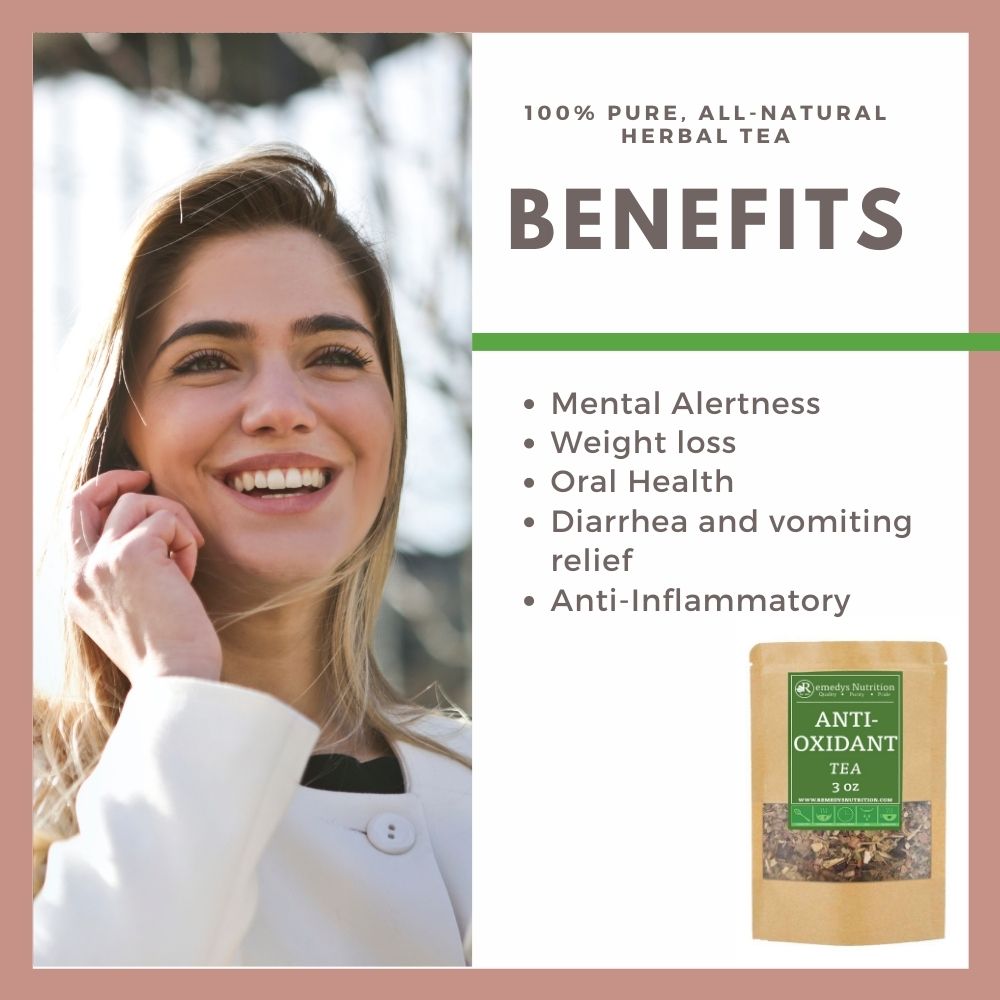
Can this tea help with weight management? +
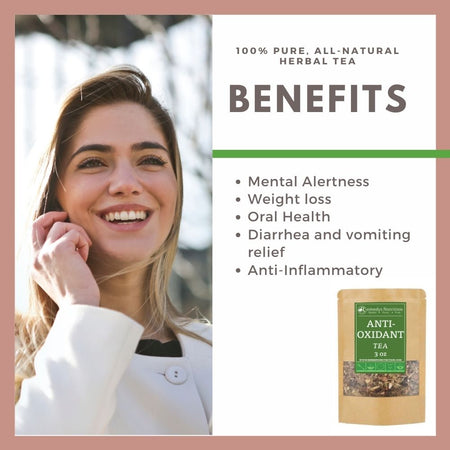
Green tea catechins may modestly support weight management. Meta-analyses suggest 100–460 mg EGCG per day combined with caffeine can increase fat oxidation by 10–16% during moderate exercise. Effects on resting metabolic rate are small at approximately 3–4% above baseline. This tea is a supportive addition to a healthy diet and exercise routine — not a standalone weight-loss solution.
You May Also Like