
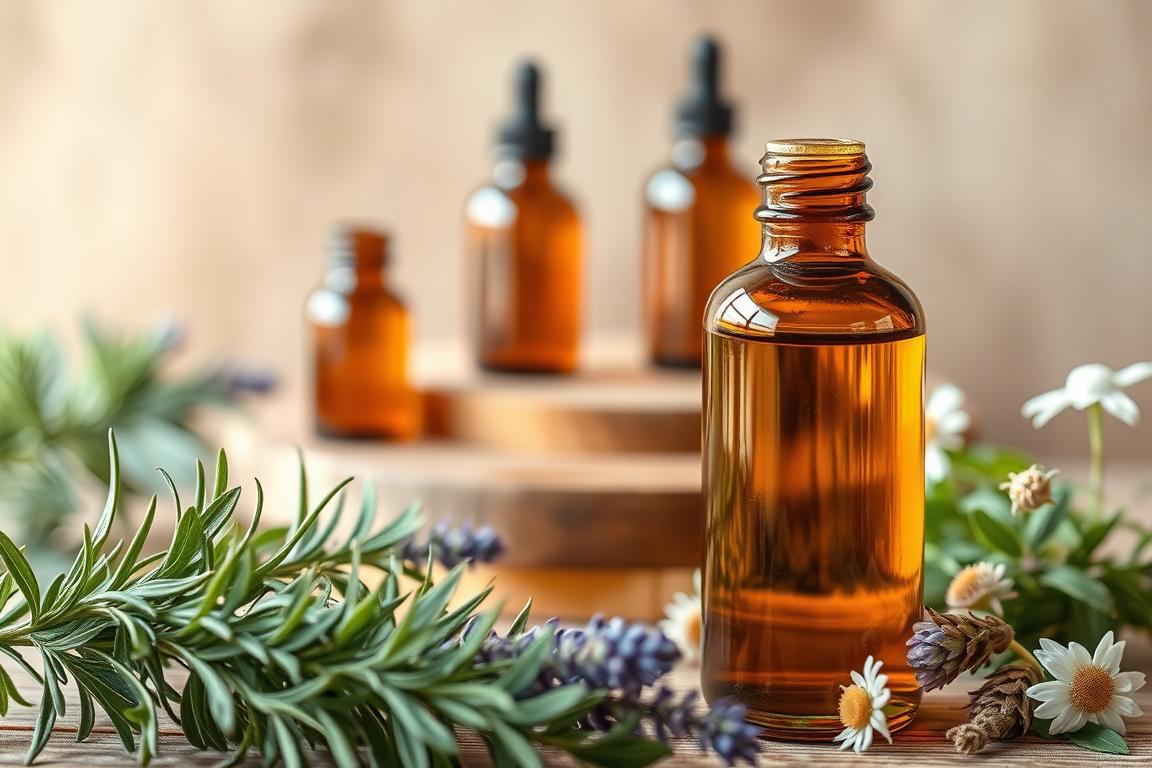
Alcohol-free tinctures include 5 top glycerin-based picks: elderberry, ashwagandha, echinacea, lemon balm, and passionflower. Each delivers 60 to 70% of alcohol-tincture potency in a safer format for children 4+, pregnancy (per provider), and people in recovery. Standard dosing runs 1 to 3 ml, 2 to 3 times daily with 14 to 24-month shelf life.
Quick Answer: What are the best alcohol-free herbal tinctures available?
5 best alcohol-free tinctures: elderberry, ashwagandha, echinacea, lemon balm, passionflower — all available in vegetable glycerin base. Extract 60 to 70% of alcohol-tincture potency. Safe for children 4+, sensitive users, and most pregnancies (with provider consult). Dose 1 to 3 ml, 2 to 3 times daily. Shelf life 14 to 24 months.
Key Takeaways
- 5 top alcohol-free options: elderberry, ashwagandha, echinacea, lemon balm, passionflower.
- Glycerin extracts 60 to 70% of alcohol-tincture compound range.
- Safe for children 4+ at weight-adjusted doses (1/8 to 1/4 adult).
- Shelf life 14 to 24 months vs 3 to 5 years for alcohol tinctures.
Frequently Asked Questions
Are glycerites as effective as alcohol tinctures? +
For water-soluble herbal compounds (elderberry anthocyanins, echinacea polysaccharides), glycerites extract effectively and are comparably potent at appropriate doses. For fat-soluble or resinous compounds, alcohol tinctures extract more completely. For most common immune and stress herbs, glycerites are effective alternatives.
Can I give glycerite tinctures to children? +
Yes — glycerites are the preferred format for children under 12. They are alcohol-free, pleasant-tasting, and available in many formulations specifically designed for pediatric use. Always use age-appropriate doses and consult your child's pediatrician.
Where can I buy alcohol-free herbal tinctures? +
Alcohol-free glycerite tinctures are available from health food stores, natural supplement retailers, and online herbal supplement companies. Brands specializing in herbal medicine are more likely to offer glycerite options than general supplement manufacturers.
Can I make an alcohol-free tincture at home? +
Yes — replace alcohol with food-grade vegetable glycerin in your standard tincture recipe. Use a 3:1 to 4:1 glycerin-to-herb ratio and macerate for 4–6 weeks (or use warm extraction). Store finished glycerites in the refrigerator.
Who needs alcohol-free tinctures? +
Five groups benefit most: children over 4 (avoid alcohol), pregnant or breastfeeding users (under provider guidance), people in recovery from alcohol, religious restrictions, and those with alcohol sensitivity or liver conditions. Glycerin-based tinctures are also useful for taste-sensitive users — they are naturally sweet (about 60 calories per ml) and lack the burn of alcohol.
Do alcohol-free tinctures work as well? +
Glycerin tinctures extract 60 to 70% of the compound range alcohol captures, producing 70 to 85% of effective dose per equivalent volume. Soft herbs (chamomile, lemon balm, elderberry) work nearly as well in glycerin. Tough herbs (reishi, chaga) are 30 to 40% weaker in glycerin. Vinegar tinctures are weaker still (40 to 50% of alcohol). Alcohol remains the most potent solvent.
How should I dose alcohol-free tinctures? +
Use the same standard adult range: 1 to 3 ml, 2 to 3 times daily. Since glycerin extracts 60 to 70% of alcohol potency, some users slightly increase to 2 to 4 ml for equivalent effect. Children 4+ dose 0.25 to 1 ml, 1 to 3 times daily based on weight. Take sublingually for 30 to 60 seconds before swallowing, same as alcohol tinctures.
How long do glycerin tinctures last? +
Glycerin tinctures last 14 to 24 months in amber glass stored at 65 to 75°F in a cool, dark place. Vinegar tinctures last 6 to 12 months. Refrigeration extends life by 20 to 30% but can crystallize glycerin — warm gently before use. Signs of spoilage: cloudiness, mold, fermentation bubbles, or sour smell. Discard if any appear.
Related Reading
Related Products
Looking for More Options?
 Tinctures
Fast-absorbing liquid herbal extracts — concentrated and clinician-approved.
Tinctures
Fast-absorbing liquid herbal extracts — concentrated and clinician-approved.
 Single Formulas
Pure single-ingredient herbal supplements — ashwagandha, rhodiola, and more.
Single Formulas
Pure single-ingredient herbal supplements — ashwagandha, rhodiola, and more.
 Herbal Blends
Multi-herb synergy formulas combining traditional and modern botanicals.
Herbal Blends
Multi-herb synergy formulas combining traditional and modern botanicals.
Many choose alcohol-free formulas for personal or practical reasons. Some avoid alcohol due to dietary restrictions, recovery journeys, or simply preferring milder flavors. Others prioritize formulas that align with holistic wellness goals. Instead of alcohol, these plant-based extracts use glycerin, vinegar, or oils to preserve their therapeutic properties. This makes them ideal for adding to teas, smoothies, or even topical applications.
In this guide, we’ll explore five standout options that harness the power of herbs like propolis, elderberry, and turmeric. You’ll learn how each extract supports specific health needs, from easing inflammation to boosting immunity. We’ll also cover simple ways to incorporate them into daily routines and even craft DIY versions at home. Ready to discover plant-powered solutions that work for you? Let’s dive in.
Key Takeaways
- Alcohol-free herbal formulas offer the same benefits as traditional tinctures without alcohol content.
- These products suit people avoiding alcohol for health, taste, or personal reasons.
- Popular options include elderberry for antioxidants and turmeric for inflammation support.
- Glycerin or oil-based extraction methods preserve plant compounds effectively.
- This guide covers top picks, usage tips, and DIY methods for tailored wellness.
Getting Started with Alcohol-Free Tinctures
Liquid herbal preparations offer a bridge between traditional medicine and contemporary lifestyles. These concentrated formulas let you access nature’s benefits without harsh additives. Whether you’re new to plant-based wellness or seeking alternatives to conventional options, understanding their basics helps you make informed choices. For an in-depth look, start with The Ultimate Guide to Herbal Tinctures.
Understanding What Tinctures Are
Tinctures are potent liquid extracts made by soaking herbs in solvents. Traditional versions use alcohol to pull out both water-soluble and fat-soluble compounds like resins. This creates a shelf-stable product with full-spectrum plant benefits.
Modern methods swap alcohol for gentler bases. Glycerin, oils, or vinegar preserve active ingredients while avoiding alcohol’s bite. Though technically called “infusions,” many still use the term tincture for simplicity.
Benefits of Choosing Alcohol-Free Options
These alternatives shine for their versatility. They’re ideal for:
- Those avoiding alcohol due to health needs or personal preferences
- Families wanting child-friendly formulas
- Anyone preferring sweeter, milder flavors
Glycerin-based versions work particularly well in teas or tonics. They retain most therapeutic effects while being easier to make at home. Plus, they absorb quickly when taken under the tongue or mixed into drinks.
Essential Ingredients and Equipment
Creating effective plant-based formulas starts with quality components. Fresh or dried herbs, proper storage containers, and alternative extraction liquids form the foundation. Let’s explore how to choose materials that maximize potency and safety.

Choosing the Right Herbs and Botanical Extracts
Quality matters most when selecting plants. Look for organic certifications and suppliers who avoid pesticides. Elderberry Tincture is excellent for antioxidant support, while turmeric roots provide anti-inflammatory curcumin. Bark from trees like cinnamon offers concentrated compounds.
Consider these popular options:
- Cannabis leaves (for relaxation and discomfort relief)
- Echinacea Tincture (immune system support)
- Propolis Tincture (natural antimicrobial properties)
Powdered forms work well for quick infusions, while whole dried herbs allow longer steeping times. Always check labels for non-GMO verification to avoid modified ingredients.
Selecting a Suitable Base Liquid
Different liquids extract plant compounds uniquely. Food-grade glycerin pulls out water-soluble elements and adds sweetness. Coconut oil absorbs fat-soluble nutrients like curcumin. Apple cider vinegar creates tangy infusions rich in minerals.
Use glass jars with airtight lids for steeping. Stainless steel strainers and cheesecloth help separate plant material from finished formulas. Label each jar with dates and ingredients for safety.
How to Craft the Best Non-Alcoholic Tinctures
Creating plant-based remedies in your kitchen requires simple tools and patience. With the right approach, you can preserve herbs' therapeutic properties using gentle solvents like glycerin. Let’s explore efficient methods for homemade formulas.

Step-by-Step Process for Homemade Tinctures
Start with clean glass jars and fresh ingredients. For dried herbs, use a 1:4 ratio of plant material to glycerin. Fresh herbs work best with equal parts herb and liquid. Pack jars loosely to allow proper circulation. For more tips on herbal preparations, see our post on brewing herbal tea, as many principles apply.
- Layer herbs in jar, leaving 2 inches of space
- Pour room-temperature glycerin until fully submerged
- Place jars in slow cooker lined with kitchen towels
- Fill cooker with water halfway up jars, heat on low 72 hours
Using a Dropper: Dosage and Application Tips
Glass droppers ensure precise measurements. Fill the bulb completely, then release liquid under your tongue. Hold for 15 seconds before swallowing to boost absorption. Start with half a dropper daily to test tolerance.
Adapting Traditional Methods to an Alcohol-Free Approach
Swap alcohol for glycerin in classic recipes by adjusting steep times. Heat accelerates extraction – three days replaces the usual 6-8 weeks. Strain mixtures through cheesecloth into amber bottles. Label with dates and ingredients for safety.
Expert Tips for Safe Tincture Preparation
Safety should always come first when working with plant-based formulas. Even natural ingredients can pose risks if used incorrectly. Let’s explore how to enjoy herbal benefits while minimizing potential hazards.
Safety Considerations and Potential Interactions
Always consult a healthcare provider before trying new supplements, especially if you take medications. The U.S. Food and Drug Administration (FDA) provides helpful guidelines for consumers. For example, turmeric may thin blood, while echinacea could trigger allergies. Research shows cannabis formulas with CBD might interact with pain relievers or antidepressants.
Proper plant identification matters. Some species look alike but have toxic parts. Always buy from suppliers who provide proof of purity testing. Avoid stems or leaves from unknown sources—they may contain harmful resins.
Choosing Quality Ingredients and Avoiding Toxins
Look for organic certifications and third-party lab reports. The National Center for Complementary and Integrative Health (NCCIH) offers an "Herbs at a Glance" series for evidence-based information. For cannabis products, check local laws and THC content levels.
Store extracts in dark glass bottles away from heat. Monitor your health when starting new supplements—keep a log of effects. Quality control starts with you!
Conclusion
Exploring plant-based wellness has never been more accessible. Alcohol-free formulas let everyone enjoy herbal benefits, whether avoiding alcohol for health, taste, or personal reasons. With faster prep times than traditional methods, these extracts fit seamlessly into modern routines.
From propolis’ immune support to turmeric’s anti-inflammatory effects, nature offers diverse solutions. Elderberry’s antioxidants, cannabis’ relaxation properties, and echinacea’s cold-fighting abilities show how plant power adapts to various needs. Quality matters most—always choose non-GMO herbs from trusted suppliers with clear growing practices. Learn more about managing wellness with our guide on Natural Remedies for Anxiety and Stress.
Start simple. Master basic recipes like glycerin-based infusions before experimenting with complex blends. Track how different formulas affect your wellness goals, and consult professionals when combining supplements with medications.
As research grows, so do opportunities to personalize herbal care. With patience and quality ingredients, you’ll discover how these plant-powered liquids enhance daily life—one dropper at a time.


