
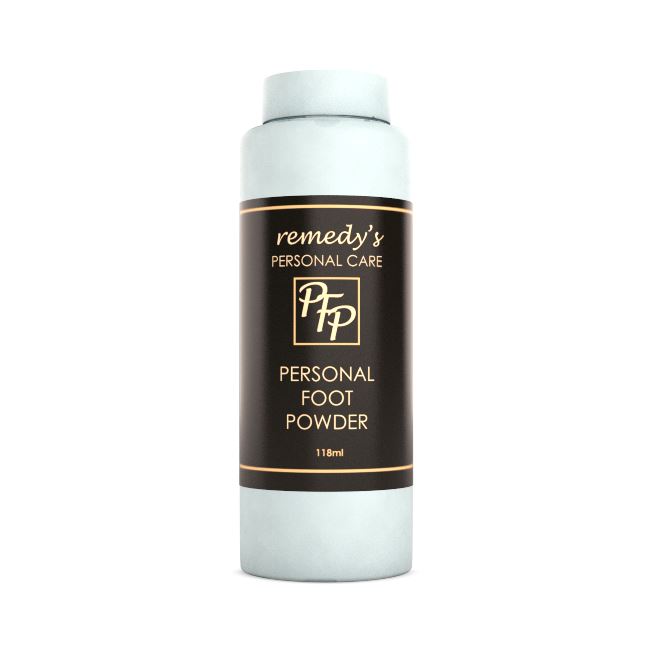
Personal Foot Powder
- Supports Foot Freshness & Odor Control*
- Promotes Moisture Absorption & Skin Health*
- Natural Foot Powder for Daily Foot Care*


Couldn't load pickup availability
*These statements have not been evaluated by the Food and Drug Administration. This product is not intended to diagnose, treat, cure, or prevent any disease.
Quick Answer: What Is Personal Foot Powder Good For?
Personal Foot Powder is a talc-free foot powder for sweaty feet with natural absorbent powders, Peppermint, and Tea Tree essential oils. Controls moisture, neutralizes odor, and prevents chafing and blisters. Sprinkle into socks and shoes before wearing; pat onto clean dry feet morning and evening. Safer alternative to talc-based foot powders - plant-based formula works for athletes, workers, heavy sweaters.
Why Sweaty Feet Deserve Better Than Drugstore Foot Powder
Your feet have 125,000 sweat glands - the highest concentration anywhere on your body. They produce up to a cup of sweat daily during normal activity, more during exercise or summer heat. When that moisture gets trapped in shoes, three problems develop: fungal/bacterial overgrowth (causing odor), friction damage (causing blisters and chafing), and weakening of skin barrier (causing cracking and discomfort).
Conventional drugstore foot powders typically rely on talc plus aluminum chlorohydrate (a strong antiperspirant chemical) and synthetic fragrances. Effective? Mostly. Safe for daily long-term use? Questionable - talc has documented cancer and respiratory concerns, and aluminum antiperspirants remain controversial. A good foot powder for sweaty feet works equally well using plant-based absorbents and therapeutic essential oils - Peppermint and Tea Tree specifically target the bacterial and fungal causes of foot odor.
How Personal Foot Powder Works
The formula attacks foot sweat, odor, and friction simultaneously. Plant-based absorbent powders (Cornstarch, Arrowroot, and Kaolin Clay family) wick moisture away from skin and lock it into the powder matrix. This keeps the foot environment dry enough that odor-causing bacteria and fungi can't easily thrive. Kaolin clay in particular is known for drawing moisture out of fabric - why it stays effective for hours inside socks.
Peppermint essential oil provides immediate cooling sensation plus antibacterial activity. The menthol compound in peppermint mildly constricts blood vessels in skin, reducing sweat production in the short term. Tea Tree essential oil is one of the most-studied antimicrobial botanicals - its terpinen-4-ol compound has been shown to kill the specific bacteria (Bacillus subtilis, Staphylococcus) responsible for foot odor. Together they provide both sensory freshness and functional antimicrobial action.
Personal Foot Powder vs Other Foot Care Options
| Option | Mechanism | Pros | Cons |
|---|---|---|---|
| Personal Foot Powder | Plant absorbents + Peppermint + Tea Tree antimicrobial | Safe daily use; no talc; cooling sensation | Needs reapplication during long days |
| Gold Bond Foot Powder | Talc + menthol + zinc | Well-known, effective | Contains talc in some formulations |
| Dr. Scholl's Foot Powder | Talc + aluminum compounds | Strong moisture control | Talc concerns; aluminum chemistry |
| Antiperspirant foot spray | Aluminum compounds | Fast drying; strong effect | Aluminum concerns for daily use |
| Prescription antiperspirants | Aluminum chloride 20%+ | Very strong for hyperhidrosis | Requires prescription; skin irritation |
| Cornstarch alone | Moisture absorption | Cheapest option | No odor control; clumps in heavy sweat |
Who Benefits Most from Personal Foot Powder?
Athletes training in closed-toe shoes see the most dramatic benefit. Runners, cyclists, hikers, and gym-goers who work up serious foot sweat during training use powder to prevent blister formation and fungal infections like athlete's foot. The combination of friction reduction and moisture control is what prevents hot-spot blisters during long runs.
People with desk jobs and sedentary work who wear closed shoes 8-10 hours daily benefit from continued moisture control throughout the workday. Workers in boots (construction, restaurant, healthcare, military) appreciate the foot-odor control in environments where they can't easily change footwear. People with naturally sweaty feet or hyperhidrosis tendencies use it preventively rather than reactively. Anyone whose feet develop end-of-day odor despite daily washing has a moisture/bacteria problem that powder directly addresses. Summer use in sandals also helps with sweating feet.
How to Use Personal Foot Powder
For daily prevention, apply to clean dry feet first thing in the morning after showering. Pat the powder from your palm onto the soles, tops, and between toes rather than sprinkling directly. Sprinkle additional powder into socks before putting them on - this creates a moisture-absorbing layer that continues working throughout the day. Some users also sprinkle a small amount into shoes, especially leather or synthetic shoes that retain moisture.
For heavy sweating situations (long shifts, sports, summer heat), reapply mid-day if possible. Clean the area first with a towel or wet wipe to remove old powder and accumulated moisture before applying fresh. For fungal infection prevention (especially if you've had athlete's foot), use daily as part of a complete foot care routine: wash, dry thoroughly, especially between toes, apply powder. For severe hyperhidrosis (excessive sweating), combine with antiperspirant before bed and powder during day.
Safety & Considerations
- Apply from your palm, not directly - avoid inhalation of loose powder
- Do not apply to broken skin, open blisters, or active wounds without medical guidance
- Patch test on inner wrist first if you have essential oil allergies (especially Tea Tree)
- Not for children under 6 without pediatric guidance
- Safe for pregnancy and breastfeeding when used on feet
- If you have an active athlete's foot (fungal) infection, use medicated antifungal cream as primary treatment and this powder as prevention
- Discontinue if skin irritation, redness, or rash develops
- Store in dry place; humidity can cause clumping
These statements have not been evaluated by the FDA. This product is not intended to diagnose, treat, cure, or prevent any disease.
Why Choose Remedy's Personal Foot Powder?
Most drugstore foot powders still contain talc or aluminum antiperspirant chemicals as active ingredients - safe in short-term use but concerning over daily years-long application. Our formula delivers equivalent moisture and odor control through plant-based ingredients that have generations of proven safety. The therapeutic-grade Peppermint and Tea Tree essential oils add real antimicrobial action rather than synthetic fragrance masking.
Made in the USA in a cosmetic-grade cGMP facility. Pairs with Personal Places Powder and Baby Bum Powder for complete talc-free family care.
Frequently Asked Questions
What is the best foot powder for sweaty feet? +
The best foot powder for sweaty feet combines moisture-absorbing plant powders (Cornstarch, Arrowroot, Kaolin) with antimicrobial essential oils (Peppermint, Tea Tree). Avoid talc-based formulas due to safety concerns. Apply morning and evening, plus sprinkle inside socks for extended absorption during long days.
Does foot powder really stop sweating? +
Foot powder absorbs sweat as it's produced rather than stopping the sweating itself. Prescription aluminum chloride antiperspirants stop sweat production. Powders work by managing the moisture once it appears. For mild-to-moderate foot sweat, powder is sufficient. For severe hyperhidrosis, combine powder with antiperspirant.
How often should I use foot powder? +
Once daily minimum - first thing in the morning after showering - for most people. Twice daily (morning and mid-day) for heavy sweaters, athletes, or hot weather. Three times for extreme situations (military, kitchen work, humid climates). Clean and dry feet before each reapplication rather than layering on top of old powder.
Can foot powder prevent athletes foot? +
Yes - significantly. Athlete's foot (tinea pedis) thrives in warm moist environments. Keeping feet dry reduces fungal growth opportunities. Tea Tree oil in the formula has proven antimicrobial activity against the specific fungi causing athlete's foot. For active infection, use medicated antifungal cream alongside powder for prevention.
Is talc free foot powder as effective as talc-based? +
Yes - plant-based powders absorb moisture equally well. Cornstarch can actually outperform talc in humid conditions. Modern natural formulas often use kaolin clay which has superior moisture-drawing properties. The safety advantage of talc-free (avoiding cancer and respiratory concerns) comes without effectiveness tradeoff.
Can I put foot powder inside my shoes? +
Yes - sprinkling powder inside shoes creates an additional absorption layer that captures sweat before it builds up. Best for athletic shoes, work boots, and dress shoes you wear repeatedly. Don't overdo it - a light dusting is effective; thick layers can clump or transfer to socks.
How do I stop foot odor? +
Combine 4 habits: (1) wash feet daily with soap, dry thoroughly especially between toes, (2) wear moisture-wicking socks changed daily, (3) alternate shoes so each pair can fully dry between uses, (4) apply antimicrobial foot powder morning and evening. Most foot odor resolves within 2 weeks of consistent care.
Who should NOT use Peppermint/Tea Tree foot powder? +
Avoid if allergic to Peppermint, Tea Tree, or other essential oils. Patch test on inner wrist first if you have sensitive skin. Not for children under 6 without pediatric guidance. Skip during active severe fungal infections - use dedicated medicated antifungal cream first, then powder for maintenance. Stop if irritation develops.