Quick Answer: What Is Happy Baby Prenatal Vitamin Good For?
Happy Baby is a comprehensive prenatal multivitamin among the most complete prenatal vitamins available - B-complex, Folate, D3, Iron, Zinc, plus 20+ herbal supports (Nettle, Alfalfa, Spirulina) for maternal and fetal nutrition during conception through breastfeeding. Take 1-2 capsules (1000mg) daily with food. Designed to supplement, not replace, a nutrient-dense pregnancy diet.
Why Prenatal Vitamins Matter More Than Regular Multis
Pregnancy dramatically increases nutrient requirements - folate by 50%, iron by 50%, iodine by 45%, B12 by 15%. A regular multivitamin simply isn't built for these elevated needs, as our prenatal vs multivitamin comparison details. Prenatal vitamins are specifically formulated with higher doses of the nutrients proven critical for fetal development: folate (prevents neural tube defects), iron (prevents maternal anemia), DHA (supports brain development), choline (brain development), and adequate B12[1]Choline and Neurological Development in First 1000 Days — Nutrients View source[2]Folic Acid and Birth Defects Prevention — Annual Review of Nutrition (CDC) View source.
The American College of Obstetricians and Gynecologists recommends women start prenatal vitamins ideally 3 months before conception, and continue through pregnancy and breastfeeding. The pre-conception window matters because neural tube development happens in the first 28 days - often before a woman knows she's pregnant. Adequate folate during that window is non-negotiable for reducing neural tube defect risk.
How Happy Baby Prenatal Works
The formula combines pharmaceutical-grade vitamins and minerals with a whole-food herbal complex. The B-vitamin spectrum is complete and at therapeutic doses: Thiamine (B1), Riboflavin-5-Phosphate (active B2), Niacin (B3), B6, B12, Folic Acid, Biotin, and Pantothenic Acid - all at 100mg+ dosing where appropriate. This supports the dramatic metabolic demands of pregnancy: building the baby's body, supporting maternal blood volume expansion (50% increase), and fueling the elevated metabolic rate[3]Multiple-Micronutrient Supplementation in Pregnancy — Cochrane Database Systematic Review View source.
Minerals include Calcium, Magnesium, Zinc, Iron (critical during pregnancy), Iodine (thyroid), Selenium, and Chromium. Vitamin D3 at 2000 IU addresses the widespread deficiency linked to pregnancy complications. The herbal/whole-food complex (Nettle, Alfalfa, Watercress, Spirulina, Chlorella, Kelp, Barley Grass, Spinach, Beet Root, Dandelion) delivers additional minerals, chlorophyll, and phytonutrients that synthetic vitamins alone cannot replicate. Probiotics and Whey Protein provide digestive support for the common pregnancy digestive changes.
What Makes Happy Baby's Ingredients High Quality
Ingredient quality — not just a long label — is what separates a strong prenatal from a token one. Happy Baby pairs pharmaceutical-grade vitamins at therapeutic pregnancy doses with a 20+ herb whole-food complex, all in 60 vegan capsules made in the USA at an FDA-registered cGMP facility. Every nutrient dose is disclosed on the label, with no proprietary blends hiding amounts.
When you compare prenatal labels for nutrient composition, four things matter most. Our full prenatal vitamin ingredient quality guide explains each — here is how Happy Baby measures up:
| Quality marker |
What to look for |
Happy Baby |
| Bioactive B-vitamins |
Active coenzyme forms, not just cheap isolates |
Riboflavin-5-Phosphate (active B2) plus a complete B-complex |
| Clinical doses |
Nutrients at or near the pregnancy RDA |
Vitamin D3 2000 IU, iron, iodine, zinc, selenium and calcium |
| Whole-food matrix |
Trace minerals and phytonutrients isolates skip |
Nettle, Alfalfa, Spirulina, Chlorella, Kelp and 15+ more |
| Clean formulation |
No unnecessary additives or allergens |
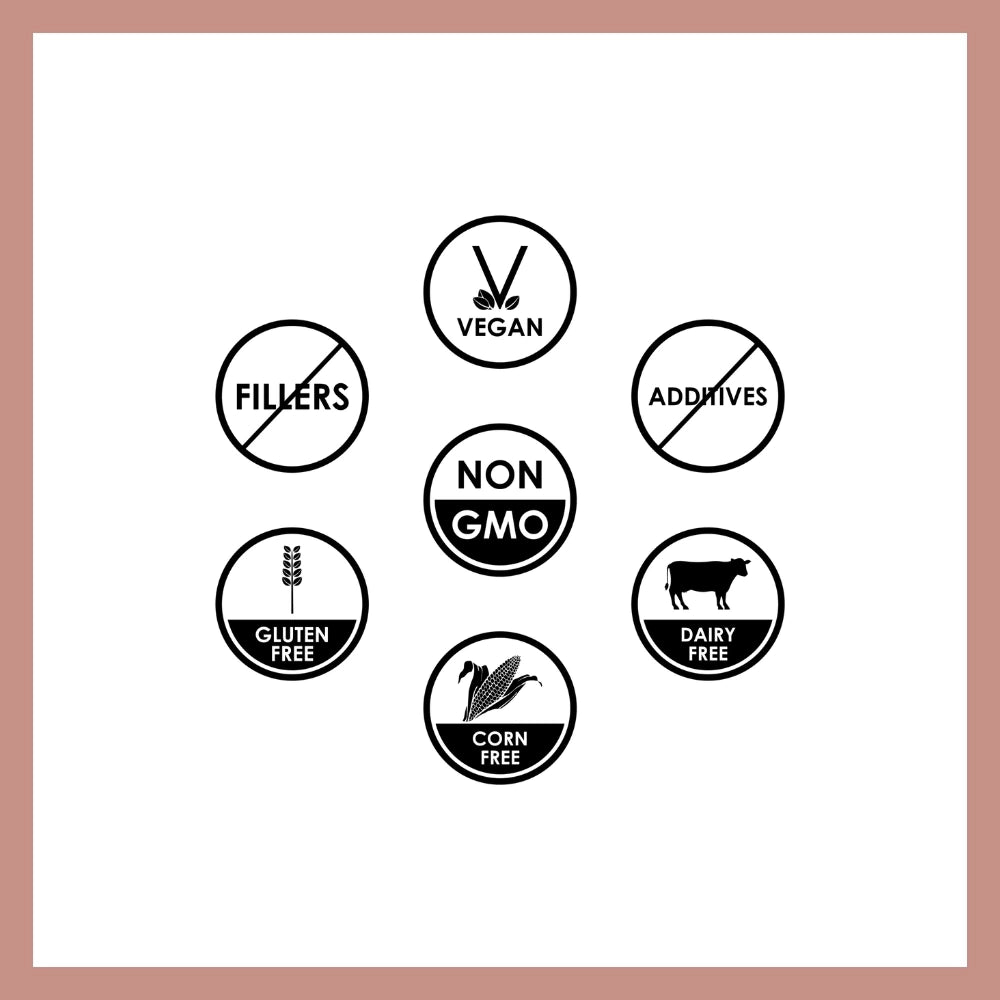
Vegan capsules, free of artificial colors, flavors and common allergens |
This whole-food angle is the practical difference between synthetic-only and food-based formulas, a trade-off covered in our organic vs synthetic prenatal comparison. The goal is always the same: bioavailable forms at real doses, on a label you can actually read.
When to Start Prenatal Vitamins
The ideal window is 3 months before conception through breastfeeding — our guide on when to start prenatal vitamins explains the timing, and the pillar prenatal vitamins guide covers the full framework. Timeline for prenatal vitamin use by life stage:
| Life Stage |
Dose |
Why It Matters |
| Trying to conceive (3 months before) |
1-2 caps daily |
Build folate stores BEFORE conception - neural tube development begins in first 28 days |
| First trimester (weeks 1-12) |
2 caps daily |
Critical folate period; fetal organ development; morning sickness nutrition backup |
| Second trimester (weeks 13-27) |
2 caps daily |
Rapid fetal growth; maternal blood volume expansion peaks; iron demand increases |
| Third trimester (weeks 28-40) |
2 caps daily |
Brain development; calcium for fetal bones; energy reserves for labor |
| Postpartum recovery |
1-2 caps daily |
Replenish maternal stores; iron recovery from birth blood loss |
| Breastfeeding |
2 caps daily |
Milk production demands maintain pregnancy-level nutrient needs |
Who Benefits Most from Happy Baby?
Women actively trying to conceive benefit most from the pre-conception use pattern - starting 3 months before TTC gives folate stores time to build in red blood cells. Women with limited diets (vegetarian, vegan, restrictive for medical reasons) need comprehensive prenatal support even more than average-diet mothers because their food-based intake may be lower.
Women over 35 conceiving benefit from the antioxidant-rich herbal complex (Spirulina, Chlorella, Wheat Grass) that supports egg quality and maternal vitality. Women with history of anemia benefit from the iron and B12 combination. Women with chronic stress during pre-conception get the adrenal support of the B-complex. Women dealing with morning sickness can use it as nutritional backup when eating is difficult. Breastfeeding mothers benefit through the entire nursing period - milk production maintains pregnancy-level nutrient demand.
Happy Baby for Breastfeeding & Postpartum
Nutrient demand does not reset at delivery. Breast milk draws iodine, DHA, B12 and choline directly from maternal stores, so continuing Happy Baby through at least 6 months of exclusive nursing protects both your reserves and your baby's development. Iron also helps replenish stores after birth-related blood loss.
Our guide to postnatal vitamins after birth explains how needs shift once you deliver, including when some mothers lower iron or raise vitamin D during breastfeeding.
How to Take Happy Baby Prenatal Vitamin
Take 1-2 capsules daily with food. Taking with food reduces nausea and improves absorption of fat-soluble vitamins (A, D, E, K). If nausea persists, our guide to managing prenatal vitamin side effects covers timing and form fixes. If morning sickness makes breakfast difficult, try taking with lunch or dinner instead. For women sensitive to iron causing stomach upset, split the dose - 1 capsule with breakfast, 1 with dinner.
Avoid taking with coffee, tea, or calcium-rich dairy products, which can bind iron and reduce absorption. Take separately from calcium supplements (at least 2 hours apart). If you're on any prescription medications, especially thyroid medications, discuss timing with your OB or pharmacist - some interactions require specific spacing. Consistency matters: daily use is more important than perfect timing.
Pregnancy Safety: 8-Class Red Flag Table
MARKER_SAFETY_INTRO comes from a handful of ingredient, dosing, and storage issues. Review the table below before your first capsule — and discuss anything flagged with your OB/GYN or midwife.
| Concern |
What to know |
What to do |
| Vitamin A (preformed retinol) |
Doses above 10,000 IU/day in early pregnancy are teratogenic [1]Teratogenicity of high vitamin A intake — N Engl J Med (1995) View source [2]Vitamin A Fact Sheet — NIH ODS (2024) View source. |
Choose a prenatal whose vitamin A comes from beta-carotene, not retinol/retinyl palmitate above 5,000 IU. |
| Iron pediatric poisoning |
Iron is the leading cause of unintentional pediatric medication poisoning deaths; a single adult dose can be fatal to a toddler [3]Unit-dose packaging and reduction of iron poisoning in young children — Arch Pediatr Adolesc Med (2005) View source. |
Original child-resistant cap, above counter height, out of sight. Poison Control: 1-800-222-1222. |
| Iodine ceiling / kelp variability |
Kelp iodine content varies up to 10-fold per batch; intake above 1,100 mcg can cause fetal hypothyroidism [4]Iodine deficiency — Endocr Rev (2009) View source. |
Prefer fixed-dose 150–220 mcg potassium iodide; avoid kelp-based prenatals. |
| B12 status (vegan, metformin, gastric bypass) |
Folic acid in prenatals masks B12-deficiency anemia while neurologic damage progresses [5]Vitamin B12 deficiency in long-term metformin use — BMJ Open (2026) View source. |
Ask your provider for a serum B12 (or MMA) test before conception or in the first trimester. |
| DHA sourcing (mercury) |
Fish-oil supplements must be third-party tested for heavy metals; FDA advises 8–12 oz/week low-mercury fish in pregnancy [6]Advice About Eating Fish — FDA (2024) View source. |
Look for "molecularly distilled" or IFOS-certified DHA. Algae-derived DHA is mercury-free by default. |
| Calcium — iron timing |
Calcium >300 mg cuts iron absorption by up to 50% when taken together [7]Iron Fact Sheet for Health Professionals — NIH ODS (2024) View source. |
If you take a separate calcium supplement, schedule it at least 2 hours apart from your prenatal/iron dose. |
| Do not stack with a regular multi |
Doubling up risks exceeding vitamin A and iron upper limits [8]Prenatal vitamins drug information — MedlinePlus (2024) View source. |
One prenatal at the labeled daily dose. If you take a regular multivitamin, switch to prenatal-only. |
| First-trimester nausea |
Iron and large capsules can intensify morning sickness. Empty-stomach dosing makes it worse. |
Take with food or at bedtime; if nausea persists, ask your provider about splitting the dose or switching forms. |
Always consult your OB/GYN or midwife before starting any prenatal vitamin — especially if you take metformin, antiseizure or thyroid medication, blood thinners, or have had bariatric surgery. Individual prenatal needs vary; this product is not a substitute for personalized medical advice.
Additional Important Considerations
- Notify your provider of all supplements if you have a hospital birth planned.
- Not for use by non-pregnant men or children — dosing is pregnancy-specific.
- Women with hemochromatosis (iron overload) should not use without specialist guidance.
- Watch for signs of over-supplementation: nausea, headache, metallic taste, constipation.
- Iron can cause constipation — increase water and fiber; discuss with your provider if severe.
These statements have not been evaluated by the FDA. This product is not intended to diagnose, treat, cure, or prevent any disease.
Why Choose Remedy's Happy Baby Prenatal?
Most popular prenatal brands either go minimalist (basic multivitamin with folate added) or pharmaceutical (synthetic isolates with no whole-food context). Happy Baby combines pharmaceutical-grade vitamins at therapeutic pregnancy doses with a 20+ herb whole-food complex that delivers phytonutrients, trace minerals, and chlorophyll most prenatals skip. The Probiotics and Whey Protein address digestive issues common in pregnancy.
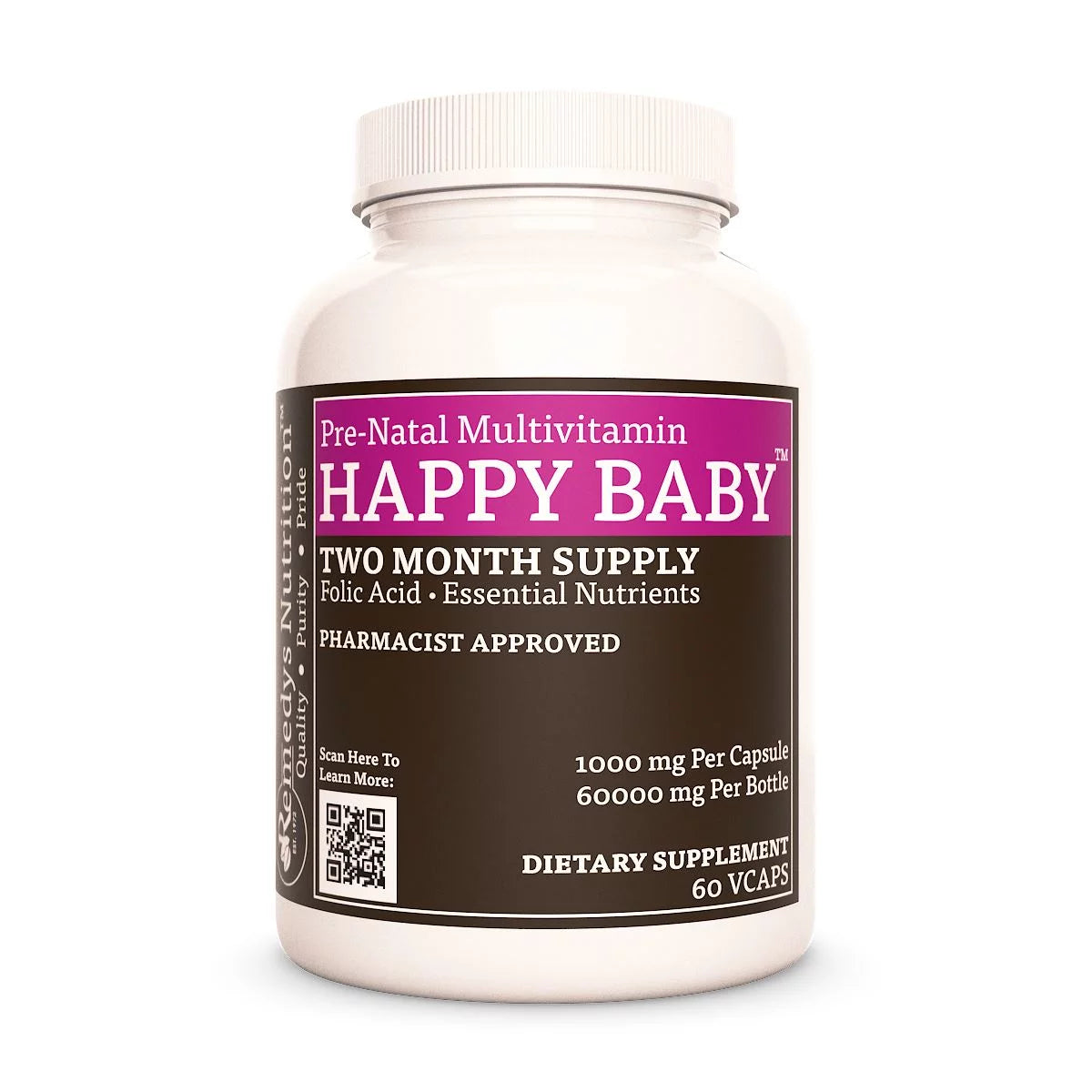
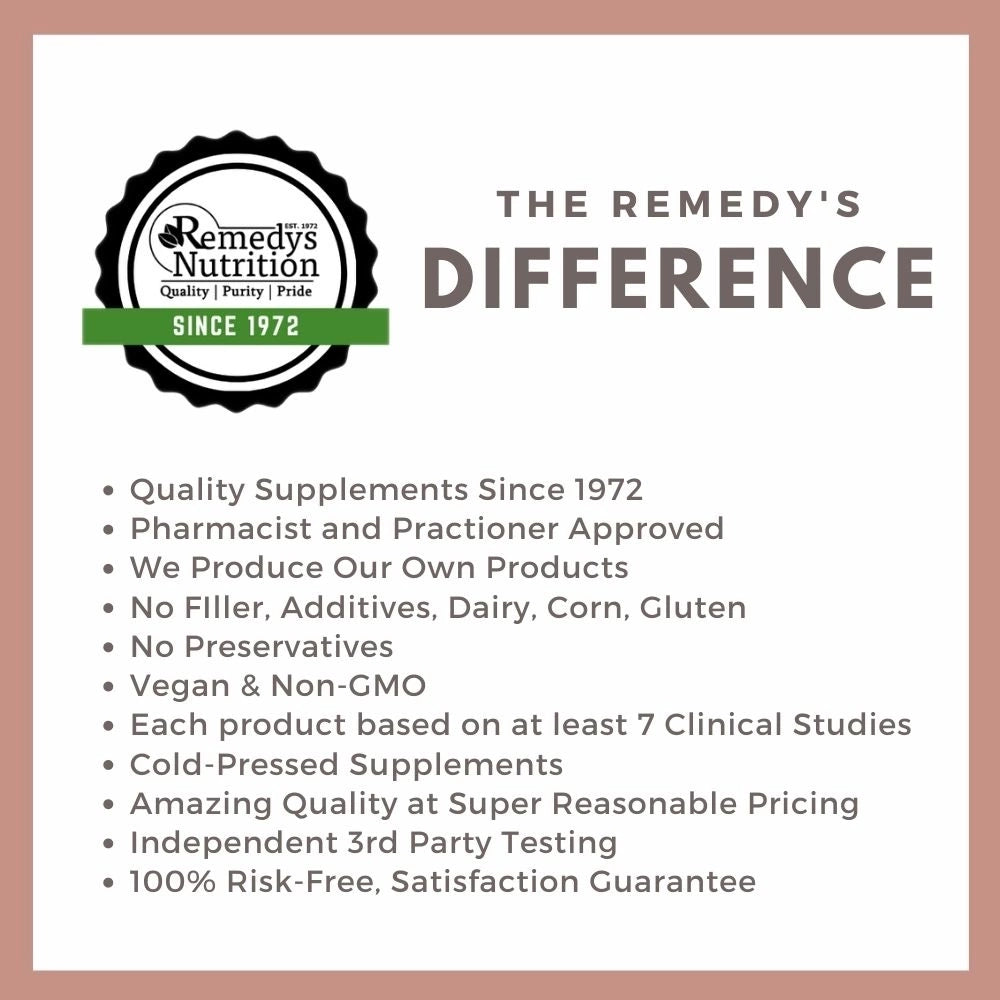
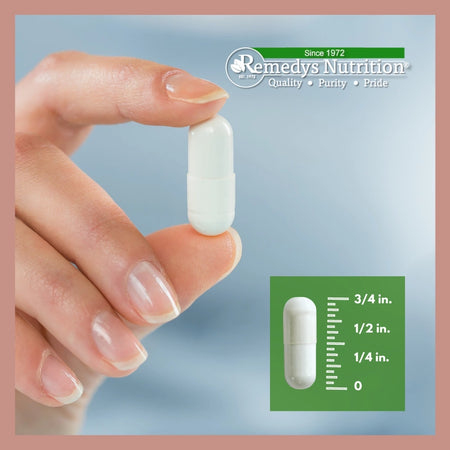
60 vegan capsules per bottle - 30 days at 2 capsules daily. Made in the USA in an FDA-registered cGMP facility. Pharmacist-reviewed. Free of artificial colors, flavors, and common allergens.
Frequently Asked Questions
What is the best prenatal vitamin? +
The best prenatal vitamin contains therapeutic doses of folate (400-800mcg), iron (18-27mg), vitamin D3 (1000-2000 IU), B12 (2.6-100mcg), iodine (150mcg), and choline. Happy Baby combines these with 20+ herbs for whole-food support. The 'best' depends on your specific needs - discuss options with your OB/midwife.
When should I start taking prenatal vitamins? +
Ideally 3 months before trying to conceive. This builds folate stores before the critical neural tube development window (first 28 days of pregnancy, often before you know you're pregnant). If already pregnant, start immediately. Continue through pregnancy and breastfeeding for milk nutrient maintenance.
Can you take prenatal vitamins without being pregnant? +
Yes - women trying to conceive should take prenatal vitamins 3 months before TTC. Some women take them for hair/nail benefits (from the higher biotin and folate), though this is off-label. Men should NOT take prenatal vitamins - iron and vitamin A at pregnancy doses are inappropriate for non-pregnant adults and can cause toxicity.
How often should I take prenatal vitamins? +
Daily. For Happy Baby: 2 capsules daily throughout pregnancy, 1-2 daily pre-conception and postpartum. Take with food to reduce nausea and improve absorption. If the full dose causes stomach upset, split into 1 capsule with breakfast and 1 with dinner rather than skipping doses.
What are prenatal vitamins good for? +
Prenatal vitamins support maternal health during pregnancy's elevated nutrient demands and help prevent birth defects (folate reduces neural tube defects 70%). They supplement - not replace - a nutritious diet. Key benefits: reduced pregnancy anemia risk, supported fetal brain development, maternal energy maintenance, and milk nutrient content during breastfeeding.
Is Happy Baby prenatal vitamin safe? +
Yes, when used as directed at 1-2 capsules daily by adults who are pregnant, trying to conceive, or breastfeeding. Always discuss with your OB/midwife before starting any supplement during pregnancy. Not for non-pregnant adults without specific need. It contains iron, so it is not for individuals with hemochromatosis or iron overload.
Can men take prenatal vitamins? +
Men should NOT take prenatal vitamins daily. The iron and vitamin A doses are calibrated for pregnancy and exceed men's daily needs. Men can develop iron overload with prolonged high-iron supplementation, potentially damaging the liver and heart. For men supporting fertility, look for fertility-specific formulas with zinc, selenium, and CoQ10 instead.
Can I take prenatal vitamins while breastfeeding? +
Yes - breastfeeding is one of the recommended use windows. Milk production maintains pregnancy-level nutrient demand, especially for calcium, iron, iodine, and B12. Continue prenatal vitamins throughout breastfeeding, typically at 1-2 capsules daily. Your OB can advise on when to transition back to a regular multivitamin.
Does Happy Baby have high-quality ingredients? +
Yes. Happy Baby uses bioactive B-vitamins like Riboflavin-5-Phosphate, vitamin D3 at 2000 IU, and a 20+ herb whole-food complex, with every dose listed on the label. It is vegan, made in a USA cGMP facility, and free of artificial colors and common allergens, so you can verify the nutrient composition yourself.
Does Happy Baby contain folate or folic acid? +
Happy Baby delivers folate as folic acid, the form used in the CDC's 400 to 800 mcg neural-tube-defect recommendation. If you carry an MTHFR variant (about 30% of people), ask your provider whether a separate methylfolate supplement suits you better. Both forms protect the developing neural tube when dosed correctly.
Will Happy Baby cause nausea or constipation? +
Some women feel mild nausea or constipation from the iron, which affects roughly 30% of prenatal users. Taking Happy Baby with food or at bedtime, splitting into 2 doses, and drinking 8 to 10 glasses of water daily resolves most cases. Persistent symptoms are worth raising with your OB.
How many capsules are in a bottle and how long does it last? +
Each bottle holds 60 vegan capsules. At the full pregnancy dose of 2 capsules daily, one bottle lasts 30 days. At 1 capsule daily for pre-conception or postpartum use, it lasts 60 days. Take it consistently for the best nutrient coverage across your cycle.
Can Happy Baby help with postpartum hair loss? +
Postpartum hair shedding peaks around 3 to 4 months after birth and is driven by hormone shifts, not vitamin deficiency. Continuing a prenatal supports overall recovery, but it will not stop the natural shedding cycle, which typically resolves on its own within 6 to 12 months.