
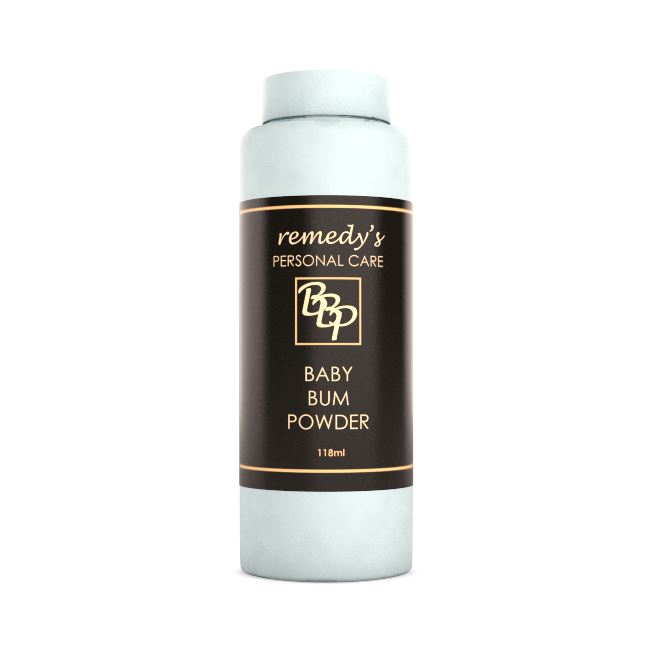
Baby Bum Powder ™ NO TALCUM PRODUCT
- Supports Gentle Baby Skin Protection*
- Promotes Diaper Rash Prevention & Comfort*
- Talcum-Free Baby Powder for Safe Use*


Couldn't load pickup availability
*These statements have not been evaluated by the Food and Drug Administration. This product is not intended to diagnose, treat, cure, or prevent any disease.
Quick Answer: What Is Baby Bum Powder Good For?
Baby Bum Powder is a talc free baby powder using Cornstarch and Arrowroot base with soothing Chamomile and Calendula. Safer alternative to talc-based powders linked to cancer lawsuits. Sprinkle small amount on baby's bottom during diaper changes to prevent diaper rash and absorb moisture. Avoid inhalation - pat onto skin from palm rather than directly shaking near baby's face.
Why Every Parent Is Switching to Talc-Free Baby Powder
For decades, talc-based Johnson's Baby Powder was the default on every changing table worldwide. That changed dramatically when research and lawsuits connected long-term talc exposure with ovarian cancer (in women who used it for intimate hygiene) and respiratory concerns from inhaled particles. Johnson & Johnson faced multi-billion-dollar settlements and ultimately reformulated - their current baby powder now uses cornstarch.
If you're buying baby powder today, the question isn't whether to use talc-free - that's already the consensus. The question is which talc free baby powder formula actually works best for your baby while staying safest. The answer comes down to ingredients beyond just "no talc" - you want a gentle plant base, minimal other chemicals, and supportive botanicals rather than synthetic additives.
What's Actually in Baby Bum Powder
The formula uses a two-ingredient absorbent base with two calming botanicals. Cornstarch - yes, the same cornstarch that thickens cooking sauces - has exceptional moisture absorption capability and a silky texture that lets skin glide without friction. It's been used for babies for generations and is the same ingredient major brands switched to after removing talc.
Arrowroot powder enhances the absorbent effect and adds a finer texture that feels almost silk-like on baby's skin. Chamomile extract provides anti-inflammatory compounds (apigenin, bisabolol) that soothe redness and calm irritation. Calendula is one of the most established plant-based skin healers, used traditionally for diaper rash, minor skin irritations, and sensitive baby skin. Together these four ingredients create a powder that's absorbent, smooth, soothing, and genuinely safe - with nothing else added that could irritate.
Baby Bum Powder vs Other Baby Powder Options
| Option | Base | Safety Profile | Added Botanicals |
|---|---|---|---|
| Baby Bum Powder | Cornstarch + Arrowroot | Safe for sensitive baby skin | Chamomile + Calendula (soothing) |
| Johnson's Baby Powder (current) | Cornstarch | Safe (reformulated) | Fragrance added |
| Johnson's Baby Powder (old talc formula) | Talc | Recalled/reformulated; lawsuit history | Synthetic fragrance |
| Burt's Bees Baby Dusting Powder | Cornstarch | Safe | Starch only, fragrance-free |
| Cornstarch alone | Pure cornstarch | Safe | None - no soothing support |
| Diaper rash cream (zinc oxide) | Zinc oxide paste | Safe - different use | Barrier protection |
For diaper rash prevention and daily moisture absorption, talc-free powder works well. For active severe diaper rash (red, broken skin), zinc oxide barrier cream is more effective than powder. Many parents use both - powder for prevention, cream for active rash episodes.
Who Benefits Most from Baby Bum Powder?
Parents of newborns through toddlers get the most use from a daily-use talc-free powder. It's particularly valuable during the 3-18 month window when diaper changes happen most frequently (6-10 times daily) and moisture control between changes matters for skin health. Babies with sensitive skin prone to rash benefit from the Chamomile and Calendula soothing support.
Parents specifically concerned about chemical exposure in their baby's skincare routine appreciate the minimal ingredient list - no synthetic fragrances, parabens, or phthalates. Cloth-diapering families use powder to prevent the ammonia-related skin irritation that can occur. Night-time use (longer between changes) is when powder's moisture control matters most. Also useful for adults with chafing or moisture issues - the gentle formula works for any age.
How to Use Baby Bum Powder Safely
Proper application is important - especially avoiding inhalation concerns that apply to all body powders (talc-free included). During diaper changes, clean and dry baby's bottom thoroughly first. Shake a small amount into your own palm, away from baby's face. Pat the powder onto baby's skin from your palm rather than sprinkling directly from the bottle - this prevents loose powder clouds near baby's airway.
Focus on skin folds: inner thighs, between buttock cheeks, behind knees if chafing-prone. Don't apply to broken skin, open rashes, or areas currently being treated with prescription creams (consult pediatrician). Less is more - a thin dusting absorbs moisture effectively; thick layers can clump in folds. Replace powder completely at each diaper change rather than layering on top of old powder.
Safety & Pediatric Considerations
- Apply from your palm, not directly from bottle - prevents powder cloud inhalation
- Do NOT apply to face or near airways of any baby
- Keep out of baby's reach - all powders can cause respiratory issues if inhaled in quantity
- Discontinue if skin irritation, redness, or rash develops or worsens
- Not for use on broken skin, diaper rash wounds, or weeping skin - use zinc oxide cream instead
- Safe for pregnancy (parent use on self) and postpartum
- For sensitive babies, patch test on a small area first
- Store in dry place; keep lid tightly closed
These statements have not been evaluated by the FDA. This product is not intended to diagnose, treat, cure, or prevent any disease.
Why Choose Remedy's Baby Bum Powder?
Most baby powders add synthetic fragrances to mask the natural starch smell. Synthetic fragrance is one of the most common causes of contact dermatitis in babies - exactly the skin problem a powder is supposed to prevent. Our formula uses only natural botanical extracts for any scent contribution, keeping the ingredient list minimal and fragrance-irritation-free.
Made in the USA in a cosmetic-grade cGMP facility. Pairs with Personal Places Powder for adult family members. Small-batch blended for freshness.
Frequently Asked Questions
Is talc free baby powder safe? +
Yes - plant-based alternatives (cornstarch, arrowroot) are considered safe for baby use. The cancer concerns and lawsuits were specifically tied to talc. Cornstarch-based powders have been used for babies for generations with no safety patterns like talc. Always apply from your palm rather than sprinkling directly to minimize inhalation.
Is Johnson baby powder talc free now? +
Johnson & Johnson reformulated their baby powder to cornstarch-based starting in 2020 (US) and 2023 (globally). The old talc formulation was discontinued after thousands of lawsuits. If you have an old bottle, check the ingredients - older inventory may still be talc. New bottles say 'talc-free' on the label.
Is baby powder talc free by default today? +
Most major brands have switched to talc-free. However, some older inventory and international products may still use talc. Always check the ingredient list on the bottle. Ingredients like 'cornstarch,' 'arrowroot,' or 'kaolin clay' indicate talc-free. If you see 'talc' or 'talcum,' it's the older formulation.
Does talc free baby powder work as well as regular? +
Yes - plant-based starches absorb moisture as effectively as talc. Many parents find cornstarch works slightly better for chafing prevention and stays effective in humid conditions where talc sometimes clumps. Odor absorption is comparable. The texture is slightly different (silkier vs slippery).
When should I use baby powder? +
Primarily during diaper changes to absorb residual moisture and prevent friction between skin folds. Also useful in neck folds for babies prone to sweat-related irritation, between thighs in chubby babies, and behind knees. Use sparingly - a thin dusting is more effective than thick application.
Can cornstarch baby powder cause yeast infections? +
Mixed evidence. Dry cornstarch on dry skin doesn't feed yeast. However, cornstarch in wet conditions (damp skin folds) can theoretically support yeast growth. Ensure the area is clean and dry before applying. If baby has active yeast diaper rash, discontinue powder temporarily and use appropriate antifungal treatment.
Is talc free baby powder safe to inhale? +
No powder should be inhaled intentionally. While cornstarch is safer than talc (which has particles that cause chronic respiratory issues), all powders can cause respiratory irritation if inhaled. ALWAYS apply powder from your palm rather than sprinkling near baby's face. Large amounts of any powder can be dangerous if inhaled.
Who should NOT use baby powder? +
Avoid powder use on babies with severe active diaper rash (use zinc oxide barrier cream instead), on broken skin, or on babies with respiratory issues like asthma (even talc-free powders can trigger). Not needed for babies who stay dry between changes - many modern diapers are absorbent enough that powder is optional.