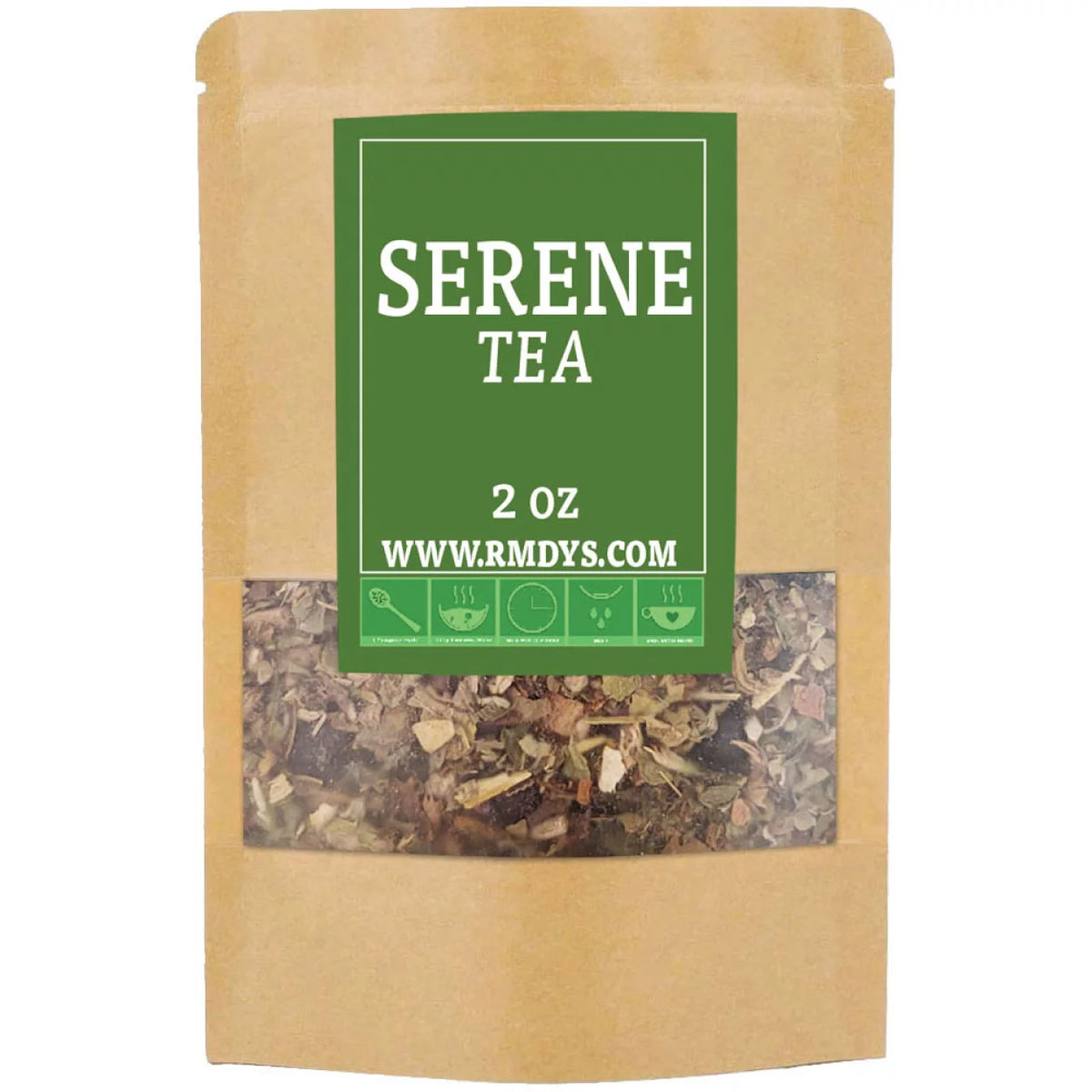
What Is Serene Tea?
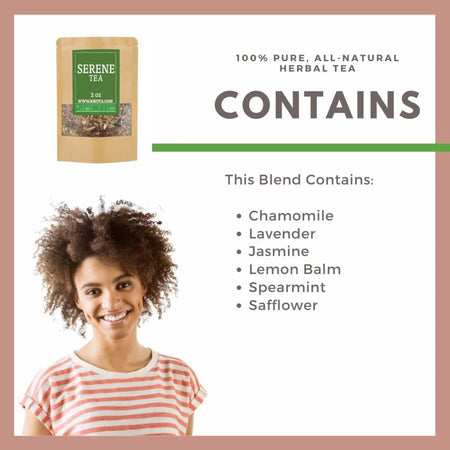
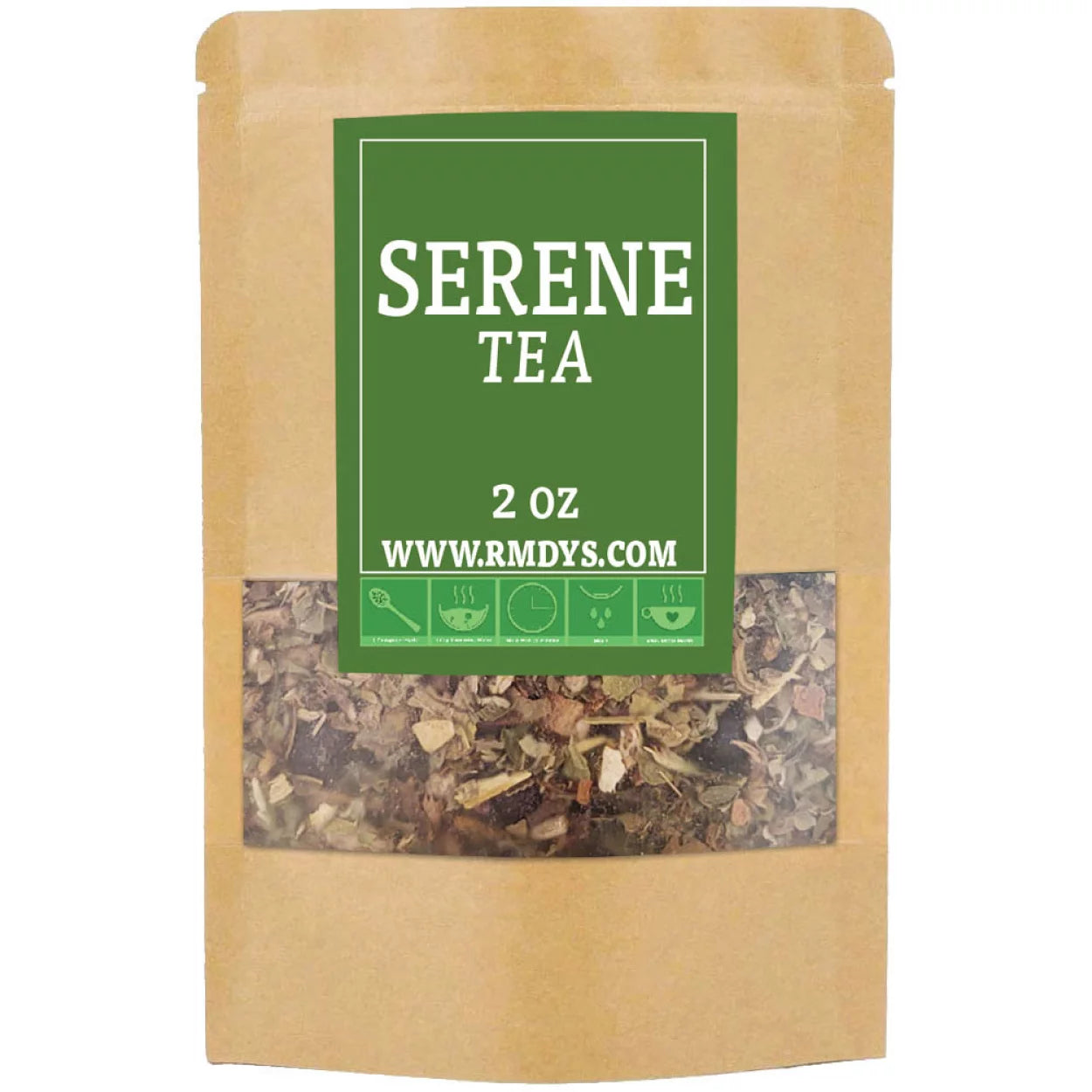
Serene Tea is a loose-leaf daytime adaptogenic blend combining lavender, chamomile, and complementary botanicals to deliver anxiety relief and calm focus without the sedation of nighttime herbal teas. Its active compounds work through GABA-A modulation, HPA axis normalization, and serotonergic pathways—reducing stress reactivity and cortisol output while preserving cognitive function. Unlike caffeinated stress-relief formulas, Serene Tea is 100% caffeine-free, making it safe for use across the full day without affecting nighttime sleep architecture. The 2 oz loose-leaf format provides approximately 20—30 servings per bag when steeped at 3—4 grams per cup.
Key Ingredients and How They Work
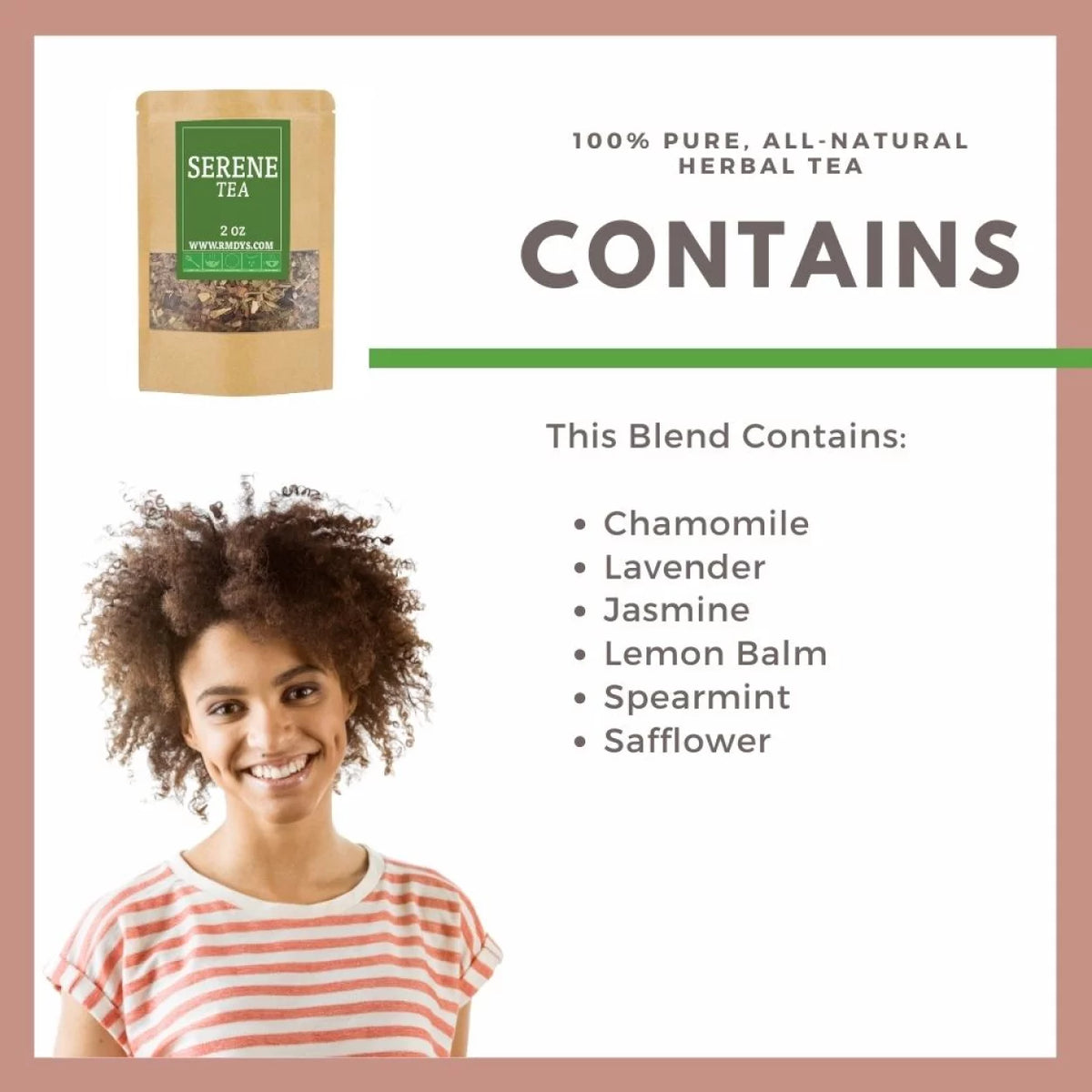
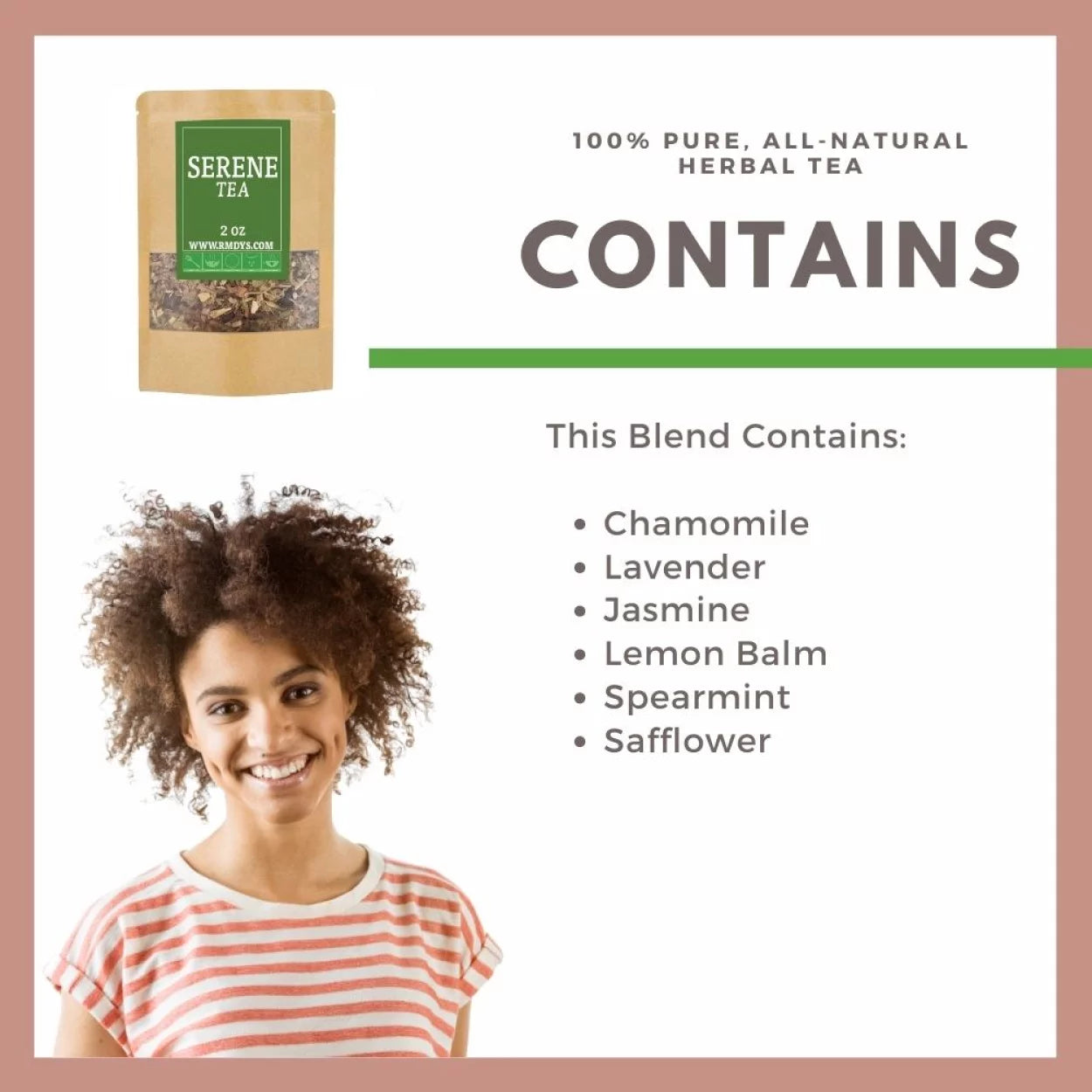
Serene Tea's formula draws on the world's most studied anxiolytic herbs. Each ingredient has a distinct mechanism, and the blend covers multiple neurochemical pathways simultaneously. Our complete guide on calming herbal teas for anxiety and stress provides an in-depth comparison of each herb's evidence base.
| Ingredient |
Key Active Compounds |
Primary Mechanism |
Primary Benefit |
| Lavender (Lavandula angustifolia) |
Linalool, linalyl acetate |
GABA-A modulation; voltage-dependent calcium channel (VDCC) inhibition; 5-HT1A partial agonism |
Anxiety reduction, cortisol lowering, calm without sedation |
| Chamomile (Matricaria chamomilla) |
Apigenin, bisabolol, chamazulene |
GABA-A receptor binding (benzodiazepine site); mild COX inhibition |
Anxiety relief, digestive calm, anti-inflammatory support |
| Lemon balm (Melissa officinalis) |
Rosmarinic acid, luteolin |
GABA transaminase inhibition (raises endogenous GABA); acetylcholinesterase inhibition |
Calm focus, mood support, mild cognitive enhancement |
| Rose petals / rosebuds |
Geraniol, nerol, flavonoids |
Mild anxiolytic; traditional adaptogen; antioxidant via flavonoid content |
Mood elevation, mild HPA axis support, antioxidant |
What the Research Shows: Lavender and Anxiety
Lavender is among the most clinically studied herbs for anxiety, with a multi-center double-blind RCT demonstrating that oral lavender preparation (Silexan, 80 mg/day) was as effective as lorazepam (a benzodiazepine) for generalized anxiety disorder over 6 weeks, without impairing psychomotor function or causing dependence.[1]Lavender Oil Silexan Anxiety Multi-Center Trial — PubMed (2010) View source
A 2019 systematic review and meta-analysis of lavender's effects on anxiety found significant reductions in anxiety scores across 15 studies involving oral lavender preparations, aromatherapy, and infusions, with effect sizes ranging from moderate to large.[2]Lavender Anxiety Systematic Review Meta-Analysis — PubMed (2019) View source
| Study Type |
Key Finding |
Herb Focus |
Duration |
| Multi-center double-blind RCT (Woelk 2010) |
Silexan (lavender) as effective as lorazepam for GAD; no sedation, no dependence |
Lavender |
6 weeks |
| Systematic review + meta-analysis (Donelli 2019) |
Significant anxiety reduction across 15 studies; moderate-to-large effect sizes |
Lavender |
Various |
| Long-term RCT (Mao 2016) |
56% lower GAD relapse at 26 weeks vs. placebo; long-term safety confirmed |
Chamomile |
38 weeks |
| Meta-analysis, 9 RCTs (Hieu 2019) |
Chamomile improved state anxiety and GAD severity; no serious adverse events |
Chamomile |
2—8 weeks |
How to Brew Serene Tea
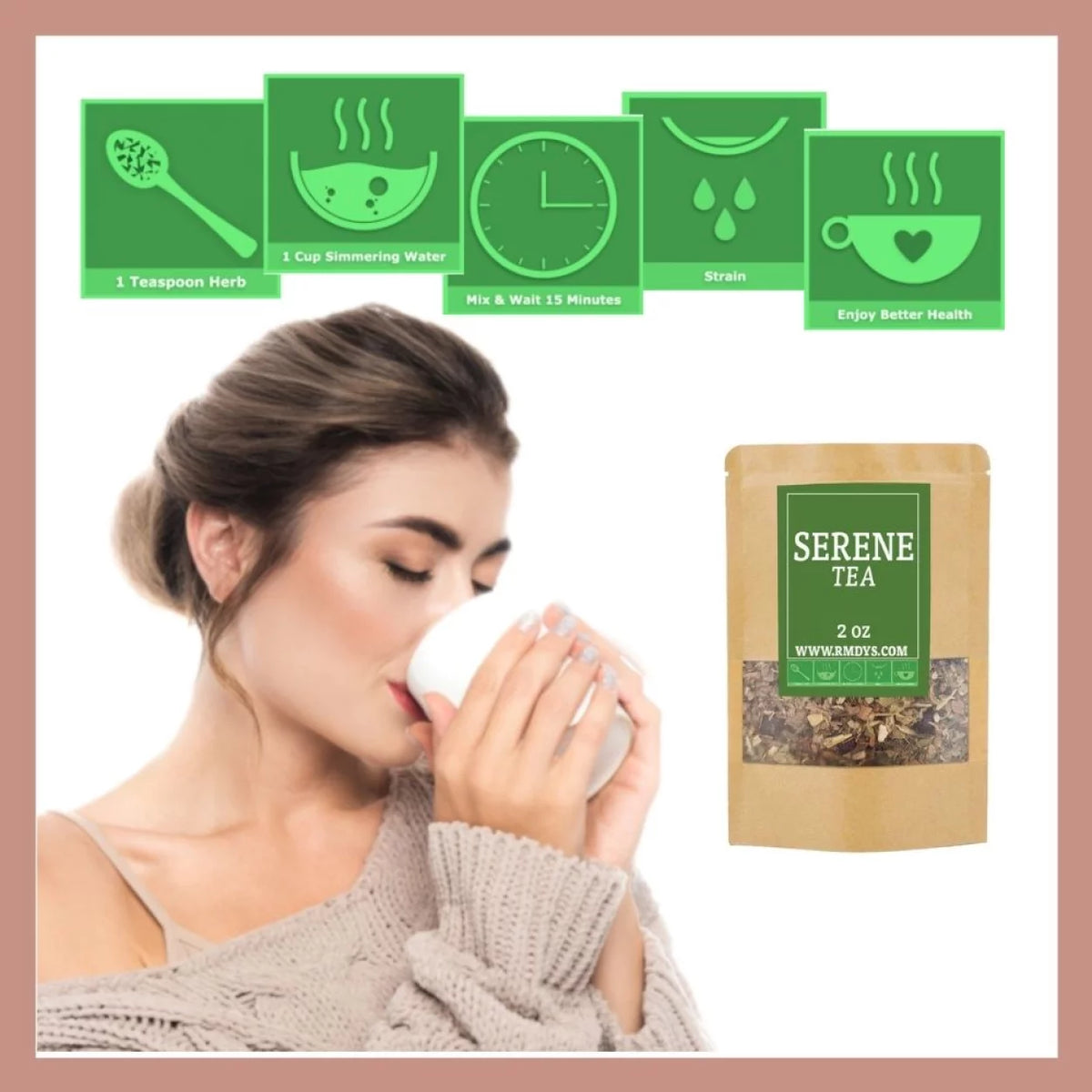
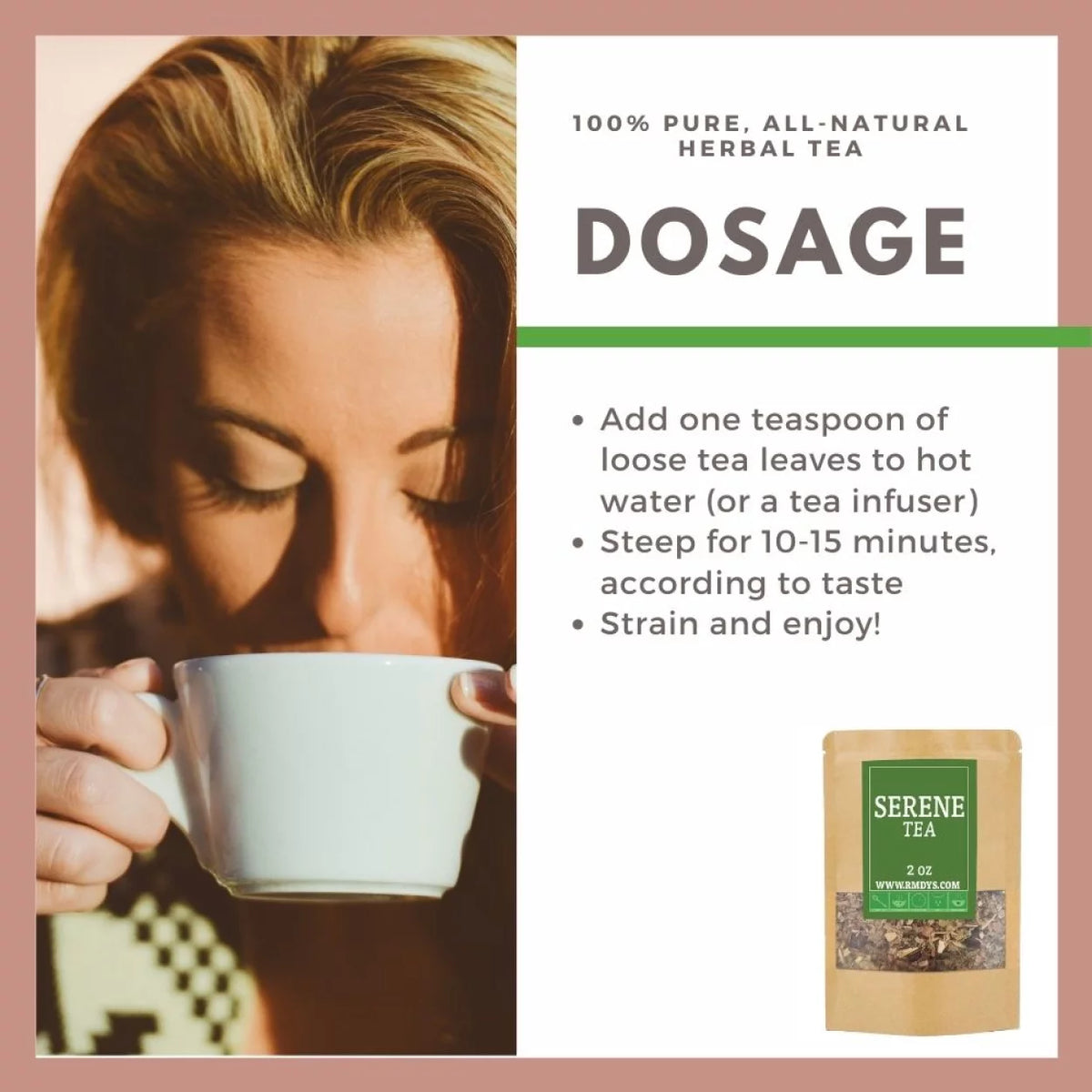
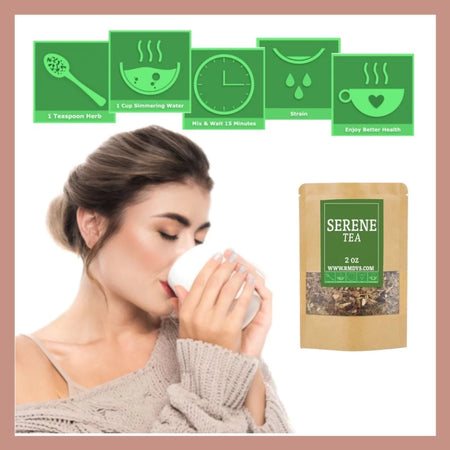
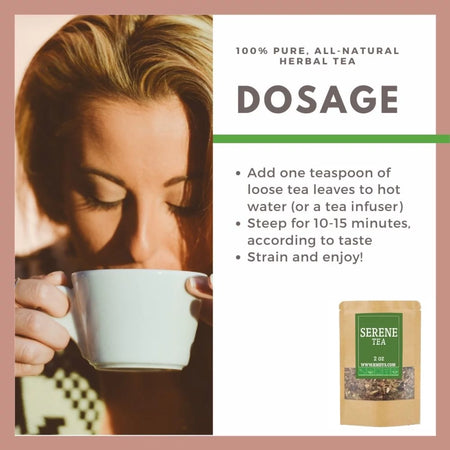
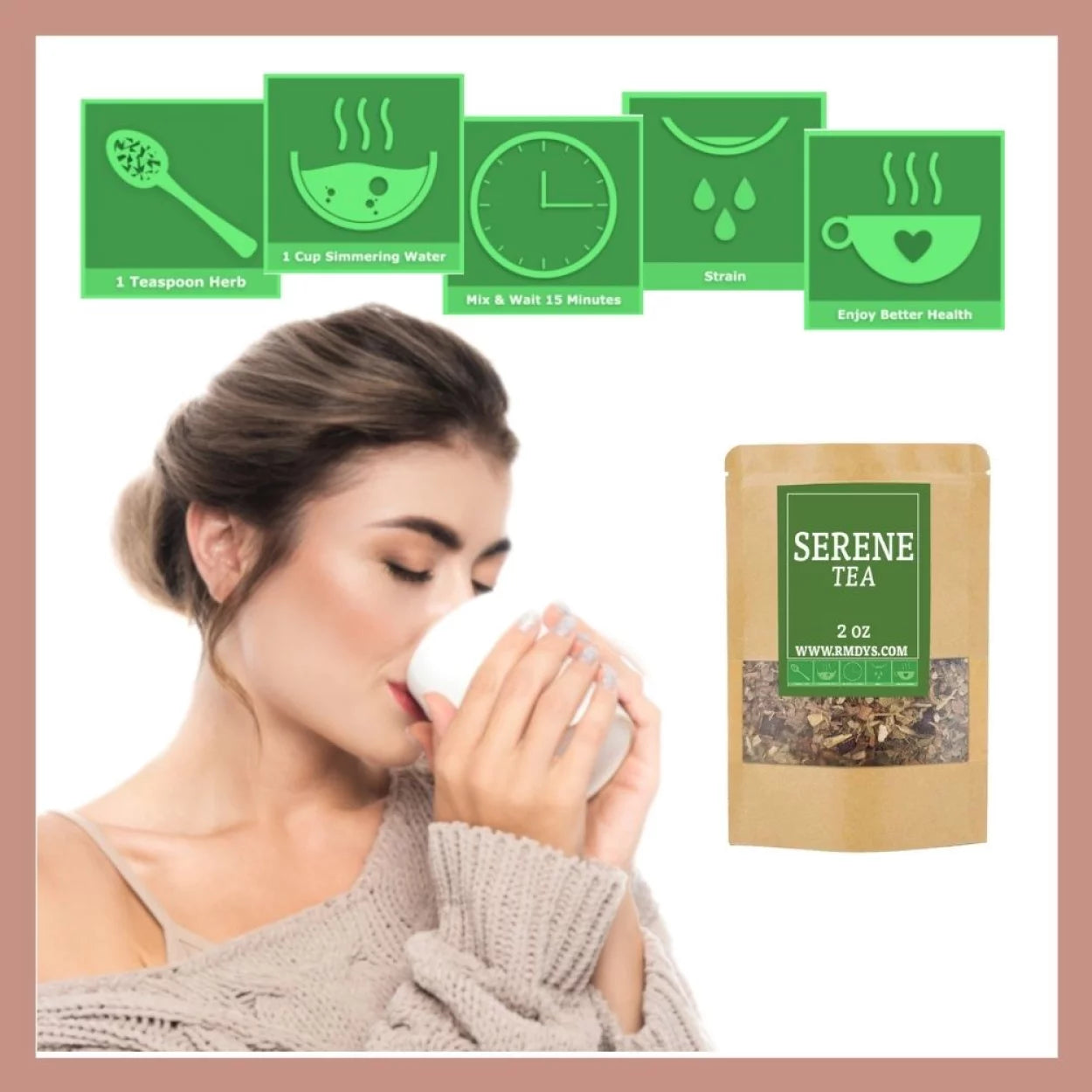
Loose-leaf tea provides significantly better bioactive extraction than tea bags when brewed correctly. Lavender's linalool and chamomile's apigenin are both temperature-sensitive; overheating degrades these compounds. Use 3—4 grams of loose leaf per 8 oz cup.
| Use Goal |
Amount per Cup |
Water Temp |
Steep Time |
Best Timing |
| Daytime stress relief |
3—4 g loose leaf per 8 oz |
85—90°C (185—195°F) |
4—6 minutes |
Mid-morning, or before stressful tasks |
| Work anxiety / focus |
3 g per 8 oz |
85—90°C (185—195°F) |
4—5 minutes |
Morning or early afternoon |
| Afternoon cortisol peak (3—5 pm) |
3—4 g per 8 oz |
88—90°C |
5 minutes |
2—4 pm (avoids evening sedation risk) |
| Evening wind-down (light) |
3 g per 8 oz |
88—90°C |
4 minutes |
6—8 pm; pair with Deeper Sleep Tea 1 hour before bed if needed |
Serene Tea for Stress and Cortisol Management
Chronic stress elevates cortisol through sustained HPA axis activation, leading to cascading effects on sleep quality, immune function, digestion, and cardiovascular risk. Serene Tea's herb combination targets HPA normalization through 3 mechanisms: GABA-A modulation (lavender + chamomile), 5-HT1A partial agonism (linalool), and rosmarinic acid's GABA-transaminase inhibition in lemon balm. Our complete guide to herbal teas covers stress-management herb selection in the context of the full herbal tea landscape.
Regular consumption of lavender-based preparations has been associated with measurable reductions in salivary cortisol in 4 clinical studies, with the strongest evidence from studies using oral lavender over 4—6 weeks of consistent daily use. Chamomile provides complementary anxiolytic coverage with long-term GAD relapse prevention data spanning 38 weeks.[3]Long-term Chamomile Generalized Anxiety Disorder Trial — PubMed (2016) View source A 2019 systematic review and meta-analysis of 9 chamomile RCTs confirmed improvements in state anxiety, insomnia, and GAD severity across multiple outcome measures.[7]Chamomile State Anxiety GAD Sleep Quality Review — PubMed (2019) View source
Serene Tea for Women: Hormonal Stress and Anxiety
Women are approximately 2x more likely than men to be diagnosed with generalized anxiety disorder, and hormonal fluctuations during the luteal phase, perimenopause, and postpartum periods significantly worsen anxiety severity. Serene Tea's non-hormonal, GABA-focused formula addresses anxiety without interfering with estrogen or progesterone. Our guide to teas for menopause and hormonal balance covers women-specific protocols in detail.
-
Luteal phase anxiety (PMS/PMDD): GABA-A activity from lavender and chamomile reduces the neurotransmitter volatility that worsens in the 2 weeks before menstruation
-
Perimenopausal irritability: Lavender's 5-HT1A partial agonism addresses serotonin-mediated mood swings that accompany declining estrogen
-
Work-life stress in mothers and caregivers: A caffeine-free formula that can be used throughout the day without sleep disruption or anxiety-caffeine feedback loops
-
Postpartum anxiety: Lavender and chamomile at beverage doses are generally regarded as low-risk during breastfeeding, though always discuss with your lactation consultant
Additional Benefits of Serene Tea
Beyond its core stress and anxiety applications, Serene Tea's ingredients support several secondary health goals. Our guide on anti-inflammatory teas covers how chamomile and lavender contribute to systemic inflammation reduction and how they compare to turmeric, rooibos, and ginger.
-
Anti-inflammatory support: Chamomile's bisabolol and apigenin inhibit COX-2 and suppress NF-kB inflammatory signaling; lemon balm's rosmarinic acid provides additional antioxidant-anti-inflammatory activity.[8]Anti-Inflammatory Action of Green Tea Review — PubMed (2016) View source
-
Digestive calm during stress: Chamomile's anti-spasmodic effect on GI smooth muscle reduces stress-induced gut cramping and bloating, a common complaint during high-anxiety periods
-
Cognitive clarity: Lemon balm's acetylcholinesterase inhibition supports working memory and attention—clinically documented in 3 RCTs at 300—600 mg extract/day
-
Cardiovascular relaxation: Regular herbal tea consumption has been associated with reduced all-cause and cardiovascular mortality in a 2024 meta-analysis of 38 prospective cohort studies[4]Tea Consumption and Cardiovascular Mortality Meta-Analysis — PubMed (2024) View source
-
Evening sleep preparation: Used in the afternoon, Serene Tea begins lowering cortisol and GABA activity 4—6 hours before a sleep support tea like Deeper Sleep Tea, creating a more complete nighttime wind-down protocol
Why Choose Remedy's Serene Tea
The loose-leaf format provides superior bioactive concentration compared to tea bags because it exposes more herb surface area to hot water and allows full expansion of flowers, which increases apigenin and linalool extraction. Remedy's Serene Tea uses whole and cut botanicals, not powdered fillers.
| What You Get |
Why It Matters |
| 2 oz loose-leaf format (20—30 servings) |
Higher extraction efficiency vs. tea bags; whole flowers preserve volatile compounds including linalool |
| Multi-herb anxiolytic blend (lavender + chamomile + lemon balm) |
Covers GABA-A, VDCC, 5-HT1A, and cholinergic pathways simultaneously for broader stress relief |
| Caffeine-free daytime formula |
Unlike green tea or adaptogen blends with stimulants, Serene Tea can be used all day without sleep disruption |
| No artificial flavors or coloring agents |
Clean label; lavender and rose provide natural flavor without flavor-masking additives |
| Whole botanical ingredients |
Intact cell walls preserve essential oils and flavonoids that are degraded in powdered or extract-only forms |
Serene Tea for Sleep Preparation (Evening Use)
Although Serene Tea is designed as a daytime formula, chamomile and lavender's mild sedative properties make it effective for evening wind-down when used 2—3 hours before bed—earlier than you would use a dedicated sleep tea. This creates a 2-stage evening protocol: Serene Tea at 7—8 pm (cortisol reduction + mild GABA activation) followed by Deeper Sleep Tea at 9—10 pm (deeper sleep pathway activation). Our research-backed guide to teas for better sleep explains this protocol in full.
A comprehensive scoping review of herbal teas and health benefits confirmed lavender and chamomile as the 2 most consistently beneficial herbs for sleep-related outcomes across the reviewed literature.[5]Herbal Teas and Their Health Benefits Scoping Review — PubMed (2019) View source
Serene Tea for Energy Without Stimulants
One paradox of anxiety and chronic stress is that high cortisol depletes mental energy while simultaneously preventing restful sleep. Serene Tea targets the upstream cortisol and HPA activation that causes this cycle—restoring calm mental energy without stimulants or caffeine. For those needing active focus alongside stress relief, our guide to teas for energy and focus covers caffeine-containing options and how to combine them with Serene Tea's calming herbs.
L-theanine (naturally present in some herbal tea additions, though not in this blend) provides a similar "calm focus" mechanism. Lemon balm in Serene Tea delivers comparable cognitive-calming benefits via its cholinergic and GABAergic mechanisms without any caffeine content.[6]L-Theanine Stress-Related Symptoms Cognitive Function Trial — PubMed (2019) View source
Drug Interactions and Cautions
At typical beverage doses (1—3 cups daily), Serene Tea has a strong safety profile. The following interactions are relevant at higher daily consumption or for people on prescription medications.
| Drug / Drug Class |
Herb(s) Involved |
Interaction Type |
Recommendation |
| Benzodiazepines / sedatives |
Lavender, chamomile |
Additive CNS depression—GABA-A activity compounds with pharmaceutical sedatives |
Use cautiously; avoid high-dose concurrent use; disclose to prescriber |
| SSRIs / SNRIs |
Lavender (5-HT1A activity) |
Mild serotonergic interaction; low risk at beverage doses |
Generally safe at 1—2 cups/day; monitor for excessive sedation or mood changes |
| MAO inhibitors |
Lavender, chamomile |
Possible serotonergic potentiation |
Discuss with prescriber before use if on MAOI antidepressants |
| Anticoagulants (warfarin) |
Chamomile |
Apigenin antiplatelet activity; INR potentiation possible at high doses |
Monitor INR; disclose to anticoagulation team; low risk at 1—2 cups/day |
| Blood pressure medications |
Lavender, chamomile |
Mild additive vasodilatory / relaxant effect |
Monitor blood pressure if consuming 3+ cups/day while on antihypertensives |
| Thyroid medications |
Flavonoids in chamomile |
Potential mild absorption interference if consumed simultaneously |
Take levothyroxine 30 min before or 2 hours after tea |
| Diabetes medications |
Chamomile |
Mild additive glucose-lowering effect |
Monitor blood glucose if using daily while on insulin or oral diabetes drugs |
| Immunosuppressants (cyclosporine, tacrolimus) |
Chamomile (CYP3A4) |
Mild CYP3A4 inhibition; possible mild increase in immunosuppressant drug levels |
Consult transplant or autoimmune care team before regular use |
Who Should Be Most Cautious
Serene Tea is gentle enough for most adults to use daily. The following groups warrant additional care.
-
Pregnancy: Lavender at beverage quantities is generally regarded as low-risk; chamomile is low-risk at 1—2 cups/day in the 2nd and 3rd trimesters. Avoid high-dose consumption in the first trimester. Always discuss with your OB/midwife. See our complete pregnancy-safe herbal teas guide for trimester-specific guidance
-
Ragweed / daisy allergy: Chamomile is in the Asteraceae family; 30—50% cross-reactivity with ragweed allergy. Begin with a small test amount if you have Asteraceae sensitivity
-
Children under 12: Not tested for safety in this age group at these herb combinations; use under pediatric guidance only
-
Pre-surgical patients: Discontinue 2 weeks before surgery; chamomile and lavender have mild antiplatelet and vasodilatory properties
-
Prescription psychiatric medications: Lavender's serotonergic and GABA-A activity combined with antidepressants, anti-anxiety drugs, or mood stabilizers warrants prescriber review
Comparing Serene Tea to Other Stress-Relief Teas
Understanding where Serene Tea fits in the stress-relief herbal landscape helps you choose the right product for your needs.
| Tea |
Primary Use |
Mechanism |
Sedation Level |
Time of Day |
| Serene Tea |
Daytime stress + calm focus |
GABA-A, 5-HT1A, VDCC, cholinergic |
Minimal |
All day |
| Chamomile Tea |
Mild anxiety + sleep onset |
GABA-A (apigenin only) |
Mild |
Evening preferred |
| Deeper Sleep Tea |
Sleep onset + anxiety insomnia |
GABA-A, MAO-B, MT1/MT2 |
Moderate |
Evening / bedtime only |
| Ashwagandha Tea |
Cortisol reduction + resilience |
HPA axis adaptogen; withanolides |
Very low |
Morning / midday |
| Green tea (L-theanine) |
Calm alertness + focus |
GABA + caffeine synergy |
None |
Morning / afternoon |
Frequently Asked Questions
Will Serene Tea make me sleepy during the day? +
At 1—2 cups, Serene Tea promotes calm alertness, not sedation. The lavender and chamomile doses in a beverage application are significantly lower than the pharmacological doses used in sedation studies. Clinical trials with Silexan (lavender, 80 mg/day) found no psychomotor impairment or sedation vs. placebo. If you find yourself unusually drowsy after 1 cup, reduce steep time to 3—4 minutes.
How many cups of Serene Tea can I drink per day? +
Most adults tolerate 2—4 cups per day without issue. Clinical safety data for lavender supports 80 mg/day continuously for up to 6—10 weeks without adverse effects. At 3—4 grams of loose leaf per cup, 3 daily cups falls well within safe long-term ranges. Avoid exceeding 4 cups/day if taking prescription sedatives or anticoagulants.
Can I use Serene Tea for generalized anxiety disorder? +
Serene Tea contains 2 clinically validated anxiolytics—lavender (equivalent to lorazepam in 1 multi-center RCT) and chamomile (56% GAD relapse reduction over 38 weeks in 1 long-term RCT). For clinical GAD, these herbs may help as a complementary approach, but are not a substitute for evaluation and treatment from a mental health professional. Discuss supplementation with your provider if taking any psychiatric medications.
Is Serene Tea safe during pregnancy? +
Lavender at beverage concentrations is generally regarded as low-risk. Chamomile is low-risk at 1—2 cups/day in the 2nd and 3rd trimesters but is not recommended in high doses during the 1st trimester due to theoretical uterotonic effects at pharmacological doses. Always discuss herbal tea use with your OB or midwife during pregnancy before regular consumption.
How does lemon balm in Serene Tea help with stress? +
Lemon balm's primary mechanism is GABA-transaminase inhibition—blocking the enzyme that breaks down GABA, thereby raising endogenous GABA levels in the brain. It also inhibits acetylcholinesterase, enhancing cholinergic activity for calm focus. Clinical trials at 300—600 mg extract/day found significant improvements in mood, calmness, and alertness within 1—3 hours of consumption, with no sedation at lower doses.
How does Serene Tea compare to L-theanine supplements? +
L-theanine (typically 100—200 mg) reduces stress and promotes calm focus via GABA modulation and alpha-wave enhancement. Serene Tea delivers similar outcomes through lemon balm (GABA-transaminase inhibition), lavender (GABA-A + 5-HT1A), and chamomile (GABA-A binding). The key differences: no caffeine in Serene Tea, broader multi-pathway mechanism, and whole-herb phytochemical complexity that supplement isolates cannot replicate.
What does Serene Tea taste like? +
Serene Tea has a floral, mildly sweet flavor profile dominated by lavender and rose, with a subtle earthy base from chamomile and lemon balm. Brewing at 85—88°C for 4—5 minutes produces a smooth, pleasant cup. Over-steeping (beyond 7 minutes) at high temperature can introduce bitterness from chamomile's terpenoids. No added sweetener is needed, though honey complements the floral notes well if preferred.
Is this tea caffeine-free? +
Yes—100% caffeine-free. Lavender, chamomile, lemon balm, and rose contain no caffeine alkaloids. This makes Serene Tea safe for use throughout the day without affecting cortisol rhythms (caffeine spikes cortisol, counteracting stress-relief goals), safe for those who are caffeine-sensitive, and compatible with evening use as a transition to nighttime herbal teas.
Can I drink Serene Tea and Deeper Sleep Tea on the same day? +
Yes—this is actually the recommended 2-stage protocol. Use Serene Tea during the day (1—3 cups) for daytime stress and cortisol management, then transition to Deeper Sleep Tea 45—60 minutes before bed for sleep pathway activation. The herbs do not negatively interact, and the combined effect provides 12—16 hours of continuous herbal stress and sleep support within safe daily herb intake ranges.
How long does Serene Tea take to work? +
Subjective calming effects from lavender are typically felt within 20—40 minutes of finishing 1 cup. Chamomile's anxiolytic effect appears within 30—60 minutes. Lemon balm's cognitive-calming effects in clinical trials were measured at 1—3 hours post-dose. Consistent daily use over 2—4 weeks produces the most significant and sustained improvements in baseline anxiety and stress scores.
Does Serene Tea interact with antidepressants? +
Lavender has 5-HT1A partial agonist activity, which is a mild serotonergic interaction. At 1—2 cups/day of a lavender-containing tea, the risk is low, but it is not zero. Chamomile and lemon balm have minimal serotonergic activity. If you take SSRIs, SNRIs, or MAOIs, disclose Serene Tea use to your prescriber. Those on MAOIs should avoid lavender-containing products due to potential serotonergic potentiation.
How should I store loose-leaf Serene Tea? +
Store in an airtight container in a cool, dark, dry location. Lavender's linalool and chamomile's apigenin are volatile compounds that degrade with heat and light exposure. Avoid storing near the stove, in sunlight, or in a humid pantry. Properly stored loose-leaf herbal tea retains full potency for 12—24 months. Reseal tightly after each use and keep away from aromatic spices that can alter the flavor profile.
How much loose leaf do I use per cup? +
Use 3—4 grams (approximately 1 rounded teaspoon of flowers and herb pieces) per 8 oz of water. The 2 oz bag provides approximately 15—20 servings at this ratio. For a lighter calming cup, start at 2 grams and adjust upward. Steeping at 85—90°C for 4—6 minutes optimizes bioactive extraction without introducing excessive bitterness from chamomile's volatile oils.
You May Also Like
-
Chamomile Tea — a single-herb bedtime tea with clinical-grade apigenin for sleep onset support and evening anxiety relief, ideal for pairing with Serene Tea in a day-to-night protocol
-
Deeper Sleep Tea — a 3-herb sleep blend with valerian root, hops, and passionflower for moderate-to-severe sleep difficulty and anxiety-driven insomnia