
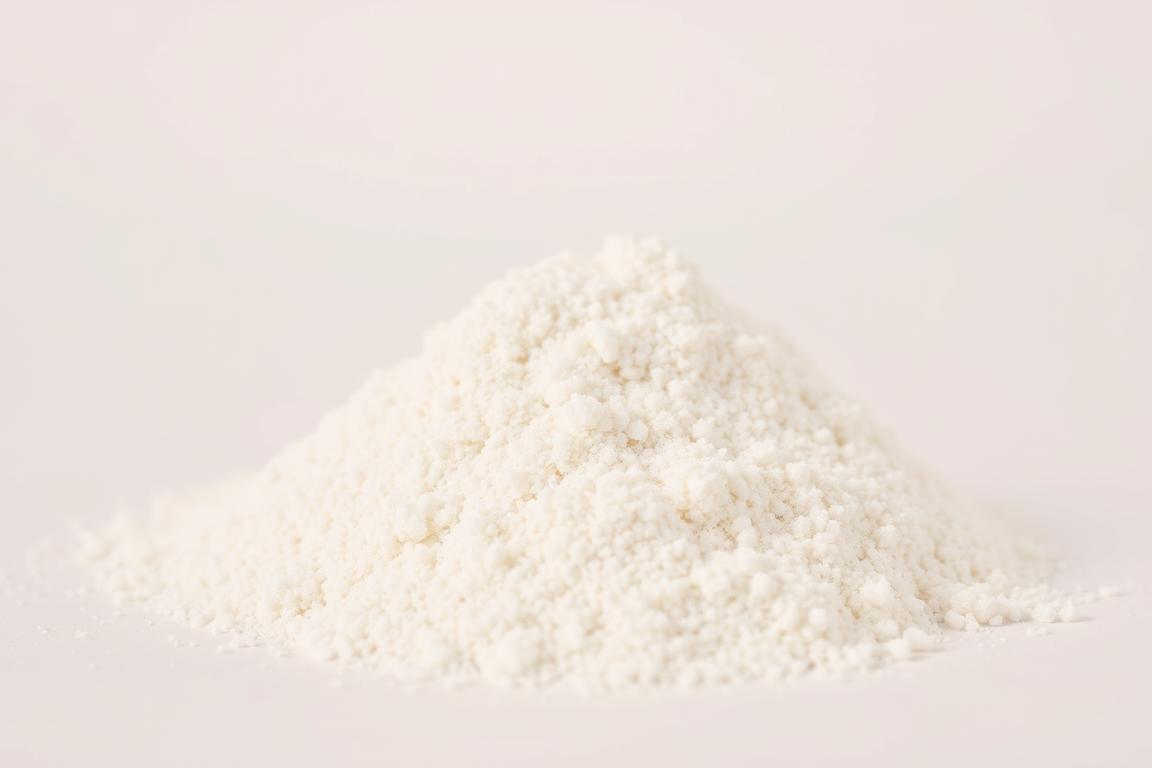
To understand what is food grade diatomaceous earth, imagine holding a powder formed over 30 million years from tiny aquatic organisms. This natural substance originates from fossilized algae called diatoms that thrived in ancient oceans and lakes. Their glass-like silica skeletons accumulated over millennia, creating rich mineral deposits beneath Earth's surface.
⏰ Quick Answer: What exactly is food-grade diatomaceous earth and what is it used for?
Food-grade diatomaceous earth (DE) is a fine white powder made from the fossilised shells of diatoms — microscopic aquatic algae. It is 80–90% amorphous silica. Used internally, it supports gut health and parasite cleansing through its abrasive action on parasites; provides bioavailable silica for joints, hair, and nails; and acts as a gentle gut cleanser. It is classified as GRAS (Generally Recognized As Safe) by the FDA.
Key Takeaways
- DE is 80–90% amorphous silica — the safe, non-crystalline form that is GRAS for human consumption.
- Internal benefits: parasite and egg disruption, gut cleansing, silica supplementation for joints/hair/nails.
- Silica from DE supports collagen production, bone matrix, cartilage, and connective tissue integrity.
- Physical mechanism: DE's sharp microscopic edges damage parasite exoskeletons and egg casings without chemicals.
- Typical starting dose: 1 teaspoon in water daily (morning, empty stomach), gradually increasing to 1 tablespoon.
Today, this chalky white powder contains 87-94% silica – a compound vital for collagen production and bone health. Trace minerals like iron oxide add to its nutritional profile, making it popular among wellness enthusiasts. Though gritty in texture, its porous structure gives unique properties valued across industries.
The transformation process from living algae to mineral-rich powder demonstrates nature's remarkable preservation power. Deposits found worldwide reveal fascinating geological histories through their layered formations. Modern extraction methods carefully harvest these ancient resources while maintaining their natural purity.
Introduction to Diatomaceous Earth
Deep within ancient seabeds lies a geological treasure formed by microscopic architects. These single-celled algae – called diatoms – thrived in prehistoric waters, building intricate skeletons from silicon dioxide. Over eons, their remains accumulated into thick sedimentary deposits now mined across continents.
Nature's Silica Powerhouse
This mineral-rich powder contains over 80% silica – more concentrated than most natural sources. For perspective, common beach sand contains just 33-50% silicon dioxide. The porous structure preserved from fossilized algae creates a lightweight yet abrasive texture unlike conventional minerals.
"These microscopic fossils give us a window into prehistoric marine ecosystems while providing modern applications," notes geologist Dr. Ellen Briggs.
From Ancient Oceans to Modern Uses
Three key factors make this substance remarkable:
| Feature | Significance | Modern Benefit |
|---|---|---|
| Microscopic pores | High surface area | Effective filtration |
| Silica content | Bone/joint support | Dietary supplements |
| Sharp edges | Physical abrasion | Natural insecticide |
Trace minerals like magnesium and iron remain locked within the fossilized structures. These elements enhance its nutritional profile while maintaining the original biological architecture. Modern processing techniques carefully remove impurities without damaging the delicate silica frameworks.
what is food grade diatomaceous earth
Not all diatomaceous earth products serve the same purpose. The distinction between food-grade and filter-grade varieties determines safety and application. Let’s explore why this difference matters for consumers and industries alike.

Differences Between Food-Grade and Filter-Grade
Food-grade diatomaceous earth contains less than 2% crystalline silica, making it safe for consumption when properly processed. Mined from freshwater lake beds, its fine particles work effectively in agricultural settings and dietary supplements.
| Feature | Food-Grade | Filter-Grade |
|---|---|---|
| Crystalline Silica | 0.5-2% | 60%+ |
| Source | Freshwater deposits | Ocean sediments |
| Primary Use | Food safety & health | Industrial filtration |
Filter-grade versions contain hazardous crystalline silica levels. While useful for pool filters and explosives, they pose severe lung risks if inhaled. Their coarse saltwater-derived particles lack the purity required for human use.
Key Safety Considerations
Always verify labels stating "food-grade" before purchase. Reputable suppliers provide third-party testing results confirming low silica content. Avoid products labeled for pool maintenance or industrial use.
Proper handling matters. Wear masks when applying the powder to prevent respiratory irritation. Store it in airtight containers away from humidity to maintain effectiveness.
"Choosing the wrong type could expose users to carcinogenic crystalline silica – always confirm the grade before use," advises environmental health specialist Dr. Maya Torres.
Health Benefits and Cholesterol Management

Emerging research highlights surprising connections between this mineral-rich supplement and vital bodily functions. While evidence remains limited, early findings suggest potential advantages worth exploring for those seeking natural wellness solutions.
Impact on Blood Cholesterol Levels
A groundbreaking 1998 clinical trial revealed intriguing results. Nineteen participants with elevated cholesterol took daily supplements for eight weeks. Remarkably, total cholesterol dropped by 13.2% - equivalent to some pharmaceutical interventions.
The same study showed:
- Reduced LDL ("bad") cholesterol
- Lower triglyceride levels
- Increased HDL ("good") cholesterol
Dr. Wachter's team concluded these changes might stem from improved lipid metabolism. While larger studies are needed, these findings suggest possible cardiovascular benefits worth monitoring.
Bone, Joint, and Connective Tissue Support
Silicon plays a critical role in skeletal strength. This essential mineral helps form collagen networks that give bones flexibility and resilience. Higher silicon intake correlates with better bone mineral density - crucial for preventing age-related fractures.
Three key mechanisms explain these benefits:
- Enhanced collagen stabilization
- Improved calcium absorption
- Structural support for joint cartilage
"Silicon works synergistically with calcium - it's the scaffolding that holds mineral deposits in place," explains nutritional researcher Dr. Linda Park.
Regular supplementation could help maintain mobility and reduce osteoporosis risks. Always consult healthcare providers before starting new regimens, especially with existing medical conditions.
Diatomaceous Earth for Detox and Heavy Metal Removal
Modern environments expose our systems to harmful substances daily. Natural solutions like silica-rich supplements offer defense against these invisible threats. Let’s explore how this ancient mineral tackles modern contamination challenges.

Mechanisms of Toxin Binding
Silica particles act like microscopic magnets in liquid environments. Their stable structure holds electrical charges that attract positively charged metal ions. This creates strong bonds with aluminum, lead, and mercury molecules.
When broken into colloidal form, these particles circulate through bodily fluids. They latch onto unwanted substances like molecular Velcro®. The bound toxins then exit through natural elimination pathways.
Research Findings on Heavy Metals and Aluminum
Scientific studies reveal compelling evidence. A landmark experiment showed oligomeric silica reduced aluminum availability by 67% compared to controls. Patients drinking silicic acid-rich water excreted 3x more aluminum through urine.
| Study Focus | Key Finding | Impact |
|---|---|---|
| Aluminum binding | 67% reduction | Reduced metal absorption |
| Urinary excretion | 3x increase | Enhanced detoxification |
| Free radical defense | Stable particle action | Cellular protection |
Chronic exposure to heavy metals damages organs over time. Even low levels can impair brain function and kidney health. Regular silica intake helps disrupt this dangerous cycle through continuous cleansing action.
"These findings suggest silica could revolutionize how we approach environmental toxin management," states toxicology researcher Dr. Naomi Chen.
Using Diatomaceous Earth in Dietary Supplements

Navigating supplement routines requires clear guidelines for safe exploration. While research remains limited, practical approaches help users balance potential benefits with caution.
Proper Dosage and Consumption Guidelines
The cholesterol study provides our best reference point. Participants consumed 250 milligrams three times daily – about 750 mg total per day. This eight-week regimen showed no adverse effects while delivering positive results.
Current limitations exist. No official daily silica intake recommendations guide users. Start with small amounts like ½ teaspoon mixed in water, gradually increasing to 1-2 tablespoons daily. Always take it between meals for optimal digestive passage.
"Supplements require personalized approaches – consult your physician before starting, particularly during pregnancy or with chronic conditions," advises registered dietitian Jessica Reynolds.
Three key safety factors matter:
- Choose products labeled specifically for human consumption
- Mix thoroughly in 8oz of liquid to prevent clumping
- Monitor for temporary digestive adjustments
This natural substance travels through your system without absorption. Unlike some supplements, it doesn’t accumulate in tissues or enter blood circulation. Store in airtight containers away from moisture to maintain freshness.
Practical Applications: Insecticide and Industrial Uses
Beyond personal wellness, this versatile mineral powder shows remarkable utility in daily life. Its unique physical properties make it valuable across multiple sectors, from home gardening to manufacturing.
Effectiveness as an Insecticide
The abrasive texture acts like microscopic shards to pests. When insects contact the powder, it damages their exoskeletons and causes dehydration. This mechanical action prevents chemical resistance – a key advantage over traditional pesticides.
Farmers use it to protect stored grains naturally. Homeowners apply it around foundations to deter ants and cockroaches. Unlike toxins, it remains effective for weeks when kept dry.
Other Industrial and Agricultural Applications
Manufacturers value its filtering capabilities. Breweries employ it to clarify beer, while swimming pool systems trap fine particles. The porous structure also absorbs spills in workshops and garages.
In agriculture, it improves soil drainage and deters slugs. Some livestock feeds include small amounts to support digestive health. Even toothpaste formulations use its mild abrasive qualities for polishing teeth safely.
From crop protection to spill cleanup, this ancient resource continues proving its modern relevance. Its adaptability across industries highlights nature’s ingenuity in solving contemporary challenges.
Frequently Asked Questions
Is food-grade diatomaceous earth safe to eat? +
Yes — food-grade DE is GRAS (Generally Recognized As Safe) by the FDA. It has been used as a grain storage anti-caking agent for decades. Internal use for cleansing and silica supplementation is safe for most adults when used at recommended doses. Avoid inhaling the powder as any fine dust can irritate airways.
What does food-grade DE do for gut health? +
DE passes through the digestive tract largely unabsorbed. Its negatively charged surface attracts and binds positively charged toxins, bacteria, and heavy metals for excretion. Its abrasive texture scrubs intestinal walls gently. It also disrupts the exoskeletons of intestinal parasites and their eggs mechanically, without the use of chemical antiparasitics.
How long should you take food-grade diatomaceous earth? +
A standard protocol is 30–90 days for a cleansing cycle. Start with 1 teaspoon/day and increase to 1 tablespoon over 1–2 weeks. Drink plenty of water (DE is absorptive and can cause constipation if you are dehydrated). After the cycle, take a month off before repeating.
What are the benefits of silica from diatomaceous earth? +
Silica is essential for collagen cross-linking, which maintains skin elasticity, bone density, joint cartilage, and hair tensile strength. Most modern diets are silica-deficient. DE provides bioavailable orthosilicic acid that supports nail strength, hair growth rate, joint flexibility, and may improve skin hydration.
Can I mix food-grade DE with smoothies or juice? +
Yes — DE has very little taste and mixes into liquids easily, though it does not dissolve (it is suspended). Mix into water, juice, or a smoothie immediately before drinking, as it settles quickly. Mixing into yoghurt or applesauce is another popular option. Avoid mixing into hot liquids as the temperature does not affect DE but may affect other ingredients.
📚 Related Reading
Related Products
Shop Diatomaceous Earth Powder
Food-grade diatomaceous earth — pure fossilised silica for internal cleansing, parasite support, and natural silica supplementation for joints, hair, and nails.
Go to ShopShop Anti-Oxidant Capsules
Concentrated antioxidant blend — combats free radical damage, supports cellular health, and complements a DE cleansing protocol.
Go to Shop


