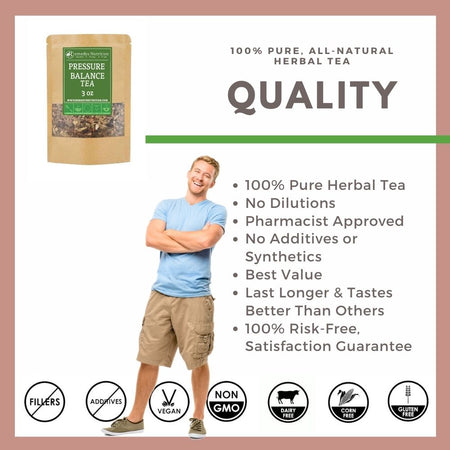
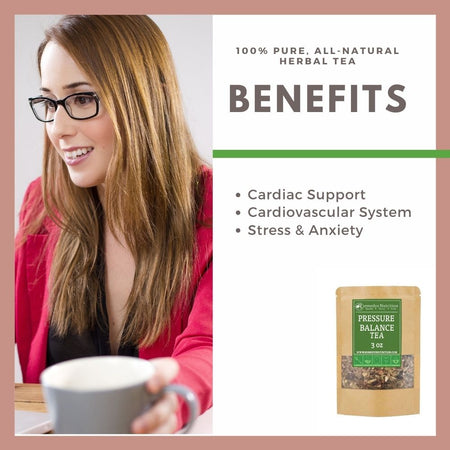
What Is Ashwagandha Tea?
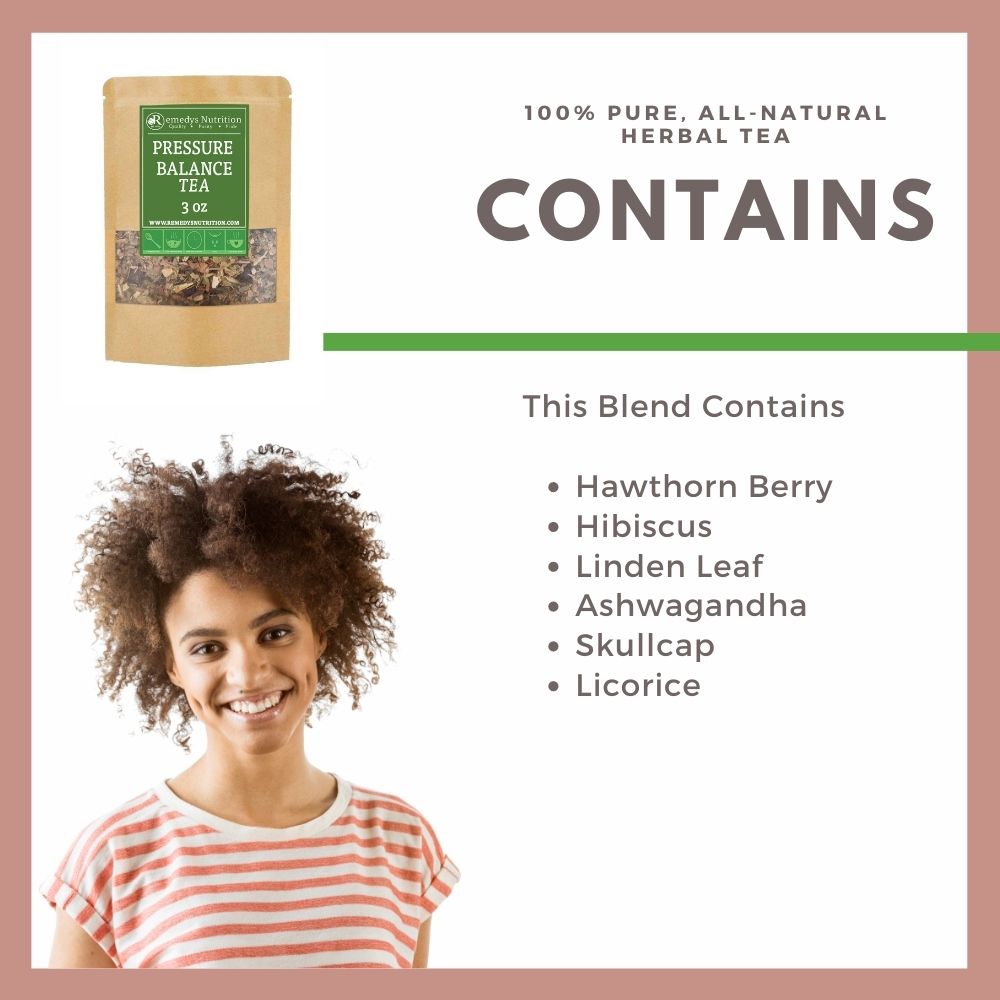
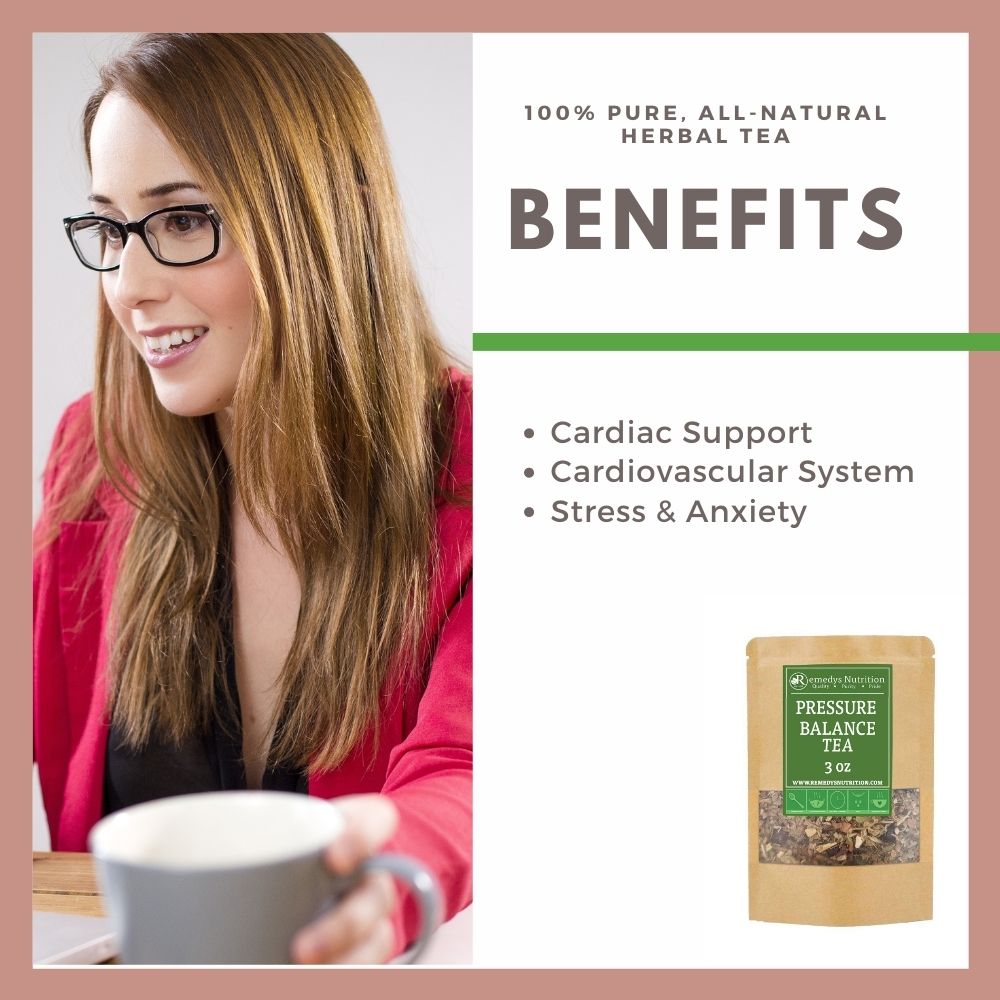
Ashwagandha Tea (Pressure Balance Tea) is a caffeine-free herbal infusion made from Withania somnifera root, a premier Ayurvedic adaptogen used for over 3,000 years for stress resilience, energy, and blood pressure balance. Its primary active compounds—withanolides, withaferins, and alkaloids—work through HPA axis normalization, cortisol reduction, and sympathetic nervous system downregulation. A 2024 meta-analysis of 12 randomized controlled trials found ashwagandha supplementation significantly reduced perceived stress, anxiety scores, and serum cortisol levels compared to placebo.[1]Ashwagandha Stress Anxiety Systematic Review Meta-Analysis — PubMed (2024) View source Ashwagandha Tea offers the gentlest entry into ashwagandha supplementation, suitable for daily ongoing use as part of a stress-management routine.
Key Ingredients and How They Work
Ashwagandha's pharmacological activity derives primarily from its steroidal lactone compounds (withanolides) and alkaloids, which modulate stress response pathways through multiple mechanisms. Our guide on calming herbal teas for anxiety and stress places ashwagandha in context alongside lavender, chamomile, and passionflower.
| Active Compound |
Primary Mechanism |
Primary Benefit |
| Withanolides |
Inhibit NF-kB; reduce cortisol via HPA axis modulation; downregulate stress-activated protein kinases |
Cortisol reduction, anti-inflammatory, stress resilience |
| Withaferin A |
Inhibits Hsp90 and proteasome; GABAergic activity; GABA-A modulation |
Neuroprotective; anti-anxiety; mild sedative at higher doses |
| Withanolide alkaloids (somnine, somniferine) |
Cholinergic modulation; sedative activity; cardiovascular tone regulation |
Sleep quality improvement; blood pressure support |
| Iron & mineral content |
Supports hemoglobin synthesis and oxygen transport |
Traditional use for anemia-related fatigue and energy |
| Steroidal saponins (sitoindosides) |
Immune modulation; anti-stress activity via adaptogenic mechanisms |
Overall stress resilience; immune support |
What the Research Shows: Stress and Cortisol
Ashwagandha has one of the most robust evidence bases of any adaptogenic herb. A 2024 systematic review and meta-analysis covering 12 RCTs confirmed statistically significant reductions in perceived stress (PSS scale), anxiety (GAD-7 and HAM-A), and serum cortisol levels in adults with chronic psychological stress.[2]Ashwagandha Stress Anxiety Systematic Review Meta-Analysis — PubMed (2024) View source
| Study Type |
Key Finding |
Dose / Duration |
| Systematic review + meta-analysis, 12 RCTs (2024) |
Significant reductions in perceived stress (PSS), anxiety (HAM-A, GAD-7), and serum cortisol vs. placebo |
240—600 mg/day, 6—12 weeks |
| Double-blind RCT (Chandrasekhar 2012) |
Serum cortisol reduced 27.9%; PSS score reduced 44%; C-reactive protein reduced significantly |
300 mg twice daily, 60 days |
| RCT (Pratte 2014) |
HAM-A anxiety scores improved significantly; thyroid hormones (TSH, T3, T4) improved in sub-populations |
500 mg/day, 8 weeks |
| RCT blood pressure (Langade 2019) |
Statistically significant diastolic and systolic BP reduction in stressed adults |
240 mg/day, 60 days |
How to Brew Ashwagandha Tea
Ashwagandha root compounds are water-soluble when brewed correctly. The earthy, slightly bitter flavor is traditional and can be modified with honey or complementary herbs like cinnamon. Our complete herbal teas guide covers preparation methods and blending strategies for adaptogens.
| Use Goal |
Cups per Day |
Water Temp |
Steep Time |
Best Timing |
| Stress and cortisol support |
1—2 cups |
90—95°C (195—205°F) |
7—10 minutes |
Morning and/or afternoon |
| Blood pressure balance |
1 cup |
90—95°C (195—205°F) |
8—10 minutes |
Morning, with food |
| Sleep and anxiety relief |
1 cup |
90—95°C (195—205°F) |
7—10 minutes |
Evening, 60—90 min before bed |
| General adaptogenic use |
1—2 cups |
90—95°C (195—205°F) |
8 minutes |
Consistent daily timing recommended |
Ashwagandha Tea for Blood Pressure Support
Chronic psychological stress is a major driver of elevated blood pressure through sympathetic nervous system overactivation and cortisol-mediated vascular inflammation. Ashwagandha's HPA axis normalization reduces this upstream driver of hypertension. A systematic review of Hibiscus and related herbs, plus multiple ashwagandha RCTs, confirm both cortisol-lowering and direct vasodilatory effects that contribute to blood pressure improvement.[3]Hibiscus Sabdariffa on Blood Pressure Meta-Analysis — PubMed (2022) View source Our guide on anti-inflammatory teas covers how ashwagandha complements other anti-inflammatory herbs for cardiovascular health.
-
Cortisol-driven BP: Withanolides reduce serum cortisol (mean 27.9% in one RCT), directly lowering a key driver of stress-induced hypertension
-
Vasodilation: Ashwagandha's GABAergic and cholinergic activity promotes vascular smooth muscle relaxation
-
Inflammation reduction: NF-kB and CRP reduction from withanolides addresses the inflammatory component of elevated vascular resistance
-
Note: Ashwagandha is not a substitute for prescribed antihypertensive medications; if you have diagnosed hypertension, discuss use with your physician before starting
Ashwagandha Tea for Women: Cortisol, Hormones, and Energy
Women are particularly affected by HPA axis dysregulation due to the bidirectional relationship between cortisol and reproductive hormones. Elevated cortisol competes with progesterone at glucocorticoid receptors, worsening PMS, perimenopause symptoms, and fertility challenges. Ashwagandha's cortisol-lowering and adaptogenic effects may support hormonal balance through these mechanisms. Our guide to teas for menopause and women's hormonal balance covers ashwagandha alongside other botanical options in detail.
-
Perimenopause stress resilience: HPA axis normalization may reduce cortisol-driven hot flash severity and mood instability
-
Thyroid function: Clinical data suggest ashwagandha improves TSH, T3, and T4 in subclinical hypothyroid populations—with caution for those already on levothyroxine
-
Fatigue and energy: Withanolides support mitochondrial function and oxygen utilization, with 3 RCTs showing improved fatigue scores and physical endurance
-
Sleep quality: Secondary sleep improvements reported in 4+ ashwagandha RCTs, particularly in stress-related insomnia
Ashwagandha Tea for Stress Resilience: Daily Use Protocol
Unlike acute anxiolytics that produce immediate effects, ashwagandha works as a true adaptogen—building stress resilience over 4—8 weeks of consistent daily use. The cumulative HPA normalization effect means results compound with time. A typical protocol uses 1 cup daily in the morning for weeks 1—4, then optionally adds an evening cup (60—90 minutes before bed) from week 5 onward if sleep quality is also a concern. Our research-backed teas for better sleep guide covers how ashwagandha integrates into a complete sleep hygiene protocol.
-
Weeks 1—2: Establish a consistent daily habit; subtle cortisol reduction begins; some report mild sedation in weeks 1—3 as HPA downregulation takes effect
-
Weeks 3—4: Most users report measurable reduction in stress reactivity, improved response to daily stressors, and better sleep quality
-
Weeks 5—8: Full adaptogenic effect; clinical trials show cortisol reduction of 15—28% from baseline in this window
-
Long-term use: Safety data supports continuous use up to 12 months; some practitioners recommend a 4-week break after 3 months for sensitivity maintenance
Additional Benefits of Ashwagandha Tea
Ashwagandha's withanolides work through multiple pathways beyond stress, providing meaningful secondary benefits. Our guide to teas for energy and focus covers how ashwagandha compares to caffeinated herbs like yerba mate for energy and cognitive performance.
-
Cognitive function: 3 RCTs found significant improvements in memory, attention, and processing speed after 8 weeks of ashwagandha at 300—600 mg/day[5]L-Theanine Stress-Related Symptoms Cognitive Function Trial — PubMed (2019) View source
-
Physical endurance: Ashwagandha improved VO2 max and muscle strength in 4 exercise RCTs; relevant for active adults and athletes
-
Anti-inflammatory: Withanolides inhibit NF-kB and reduce CRP, IL-6, and TNF-alpha; supports joint health and systemic inflammation management.[6]Anti-Inflammatory Action of Green Tea Review — PubMed (2016) View source See our guide on teas for cold and sore throat for how ashwagandha's immune-modulating properties compare to elderberry and echinacea
-
Male testosterone: 2 RCTs found statistically significant testosterone increases (14—17% from baseline) in infertile men and physically active men supplementing with 600 mg/day ashwagandha for 8—12 weeks
-
Thyroid support: Statistically significant improvements in TSH, T3, and T4 in subclinical hypothyroid patients in 2 RCTs
-
Herbal tea wellness base: Regular herbal tea consumption is associated with reduced all-cause and cardiovascular mortality in a 2024 meta-analysis of 38 prospective cohort studies.[7]Tea Consumption and Cardiovascular Mortality Meta-Analysis — PubMed (2024) View source
Why Choose Remedy's Ashwagandha Tea
The tea format provides a gentler, daily-maintenance ashwagandha delivery compared to high-dose capsule supplements, making it ideal for long-term adaptogenic protocols, for people sensitive to concentrated extracts, or for those who prefer the ritual of daily herbal tea consumption as part of stress management.
| What You Get |
Why It Matters |
|
Withania somnifera root (genuine ashwagandha) |
Clinically studied species and plant part; not all ashwagandha supplements use root material from verified W. somnifera
|
| 100% caffeine-free adaptogen |
Provides stress resilience without the cortisol-spiking effect of caffeinated beverages; compatible with any time of day |
| Low-dose daily format |
Gentler on the GI tract than high-dose capsules; suitable for sensitive individuals and long-term ongoing use |
| Earthy, warming flavor profile |
Traditional Ayurvedic preparation; pairs naturally with honey, cinnamon, and black pepper for enhanced taste and absorption |
| No artificial additives or flow agents |
Clean label; nothing added that could interfere with withanolide bioavailability |
Drug Interactions and Cautions
Ashwagandha has several well-characterized drug interactions that are particularly relevant at supplement doses. Beverage-level consumption carries lower risk but should still be disclosed to your healthcare provider if you take any of the following medication classes.[4]Herbal Teas and Their Health Benefits Scoping Review — PubMed (2019) View source Warfarin and other anticoagulants represent the interaction class requiring most vigilance with herbal supplements, as reviewed in a 2021 systematic review covering 72 herbal-drug interactions.[8]Warfarin Food Herbal Dietary Supplement Interactions Systematic Review — PubMed (2021) View source
| Drug / Drug Class |
Interaction Type |
Clinical Relevance |
Recommendation |
| Thyroid medications (levothyroxine, liothyronine) |
Ashwagandha may raise T3/T4; additive effect with thyroid hormone replacement |
Moderate—risk of hyperthyroid symptoms (palpitations, anxiety, insomnia) if TSH already suppressed |
Consult endocrinologist; monitor TSH if using Synthroid or T3/T4 replacement |
| Benzodiazepines / sedatives |
Additive CNS depression; ashwagandha has GABAergic activity |
Low-moderate at beverage doses; higher risk with concentrated extract supplements |
Disclose use to prescriber; monitor for excessive sedation |
| Immunosuppressants (cyclosporine, tacrolimus, mycophenolate) |
Ashwagandha stimulates immune function; may counteract immunosuppression |
Moderate—significant concern for transplant patients or autoimmune disease management |
Contraindicated in transplant patients on immunosuppressants; discuss with specialist |
| Antihypertensives (ACE inhibitors, beta-blockers, ARBs) |
Additive blood pressure lowering |
Moderate—ashwagandha's cortisol reduction and vasodilation may enhance antihypertensive effect |
Monitor blood pressure regularly; consult prescriber before use |
| Diabetes medications (insulin, metformin, sulfonylureas) |
Ashwagandha may lower blood glucose; additive hypoglycemic effect |
Moderate—risk of hypoglycemia in type 1/type 2 diabetes on medication |
Monitor blood glucose closely; adjust medication if needed |
| SSRIs / SNRIs |
Mild serotonergic and cortisol interactions; generally low risk |
Low—no confirmed significant interaction at beverage doses |
Monitor for mood changes; disclose to prescriber |
| CNS stimulants (modafinil, amphetamines, Adderall) |
Opposing cortisol and stress-pathway activity; may reduce stimulant efficacy |
Low—theoretical HPA axis competition at higher doses |
Generally safe at beverage doses; monitor response |
| Anticoagulants (warfarin, DOACs) |
Ashwagandha may have mild antiplatelet and anti-inflammatory effects |
Low—beverage amounts carry minimal interaction risk |
Disclose use to anticoagulation clinic; monitor INR if consuming regularly |
Who Should Be Most Cautious
Ashwagandha is safe and well-tolerated for most healthy adults. The following groups require specific care or medical clearance before use.
Important for thyroid and autoimmune patients: Ashwagandha stimulates immune function and may affect thyroid hormone levels. If you have Hashimoto's thyroiditis, Graves' disease, or are on thyroid medication, seek physician clearance before regular use. These groups represent the most common clinical concern with ashwagandha tea at daily beverage doses.
-
Pregnancy: Ashwagandha is not recommended during pregnancy at any dose. In Ayurvedic tradition, it is classified as a uterotonic herb at medicinal doses. Animal studies show potential abortifacient effects. Avoid during all trimesters—see our pregnancy-safe herbal teas guide for alternatives
-
Breastfeeding: Insufficient human safety data; not recommended while breastfeeding
-
Autoimmune conditions: Ashwagandha stimulates Th1 immune response; may worsen autoimmune conditions (rheumatoid arthritis, lupus, MS, psoriasis) that are driven by Th1 overactivation
-
Thyroid conditions: Ashwagandha may raise T3/T4 levels; seek endocrinologist clearance before use if on thyroid medication
-
Surgery: Discontinue 2 weeks before surgery; ashwagandha affects CNS and may alter anesthesia response
-
Children under 18: Clinical safety data for minors are not established; not recommended without pediatric guidance
Frequently Asked Questions
How long does ashwagandha tea take to work? +
Most people notice subtle cortisol and stress reduction within 2—3 weeks of daily use. Statistically significant improvements in clinical trial endpoints (PSS, HAM-A, serum cortisol) typically emerge at 4—6 weeks. Full adaptogenic benefit—including cortisol reductions of 15—28% from baseline—is typically measured at the 8—12 week mark. Consistency is more important than dose escalation for achieving sustained results.
How much ashwagandha is in each cup of tea? +
Beverage extraction provides a gentler, lower-dose ashwagandha delivery than capsule supplements. Clinical trials showing stress and cortisol benefits used extract doses of 240—600 mg/day. A brewed cup contains a fraction of this concentration, making the tea format ideal for daily maintenance and sensitive individuals, rather than therapeutic loading. Allow 7—10 minutes of steeping at 90—95°C to maximize withanolide extraction.
Can I drink ashwagandha tea every day? +
Yes—1—2 cups daily is safe for long-term use up to 12 months based on available clinical data. Ashwagandha is an adaptogen specifically suited for daily ongoing use. Some practitioners recommend a 4-week break after 3 months of continuous use to maintain sensitivity, though this is precautionary and not supported by a hard safety finding. Disclose regular use to your healthcare provider.
Is ashwagandha tea safe for blood pressure? +
Ashwagandha may help lower blood pressure through cortisol reduction and mild vasodilation—a 60-day RCT found statistically significant diastolic and systolic BP reduction in stressed adults. However, if you take antihypertensive medications (ACE inhibitors, beta-blockers, or ARBs), the additive effect may lower BP too much. Monitor your blood pressure closely and discuss use with your prescriber before starting.
Does ashwagandha tea affect hormones? +
Yes—ashwagandha affects multiple hormonal axes. It reduces serum cortisol (mean 27.9% in 1 RCT) through HPA normalization. It may raise T3 and T4 thyroid hormones in subclinical hypothyroid patients. In men, 2 RCTs found testosterone increases of 14—17% at 600 mg/day. In women, reduced cortisol may benefit progesterone balance and perimenopause symptoms. Those on hormone medications should seek physician review before use.
Can I use ashwagandha tea for anxiety? +
Yes—a 2024 meta-analysis of 12 RCTs confirmed significant anxiety reduction on GAD-7 and HAM-A scales with ashwagandha vs. placebo. Tea format delivers lower concentrations than capsule supplements, so results are gentler and develop over 4—8 weeks. For acute anxiety or clinical GAD, combine with faster-acting herbs (lavender, chamomile) or consult a mental health provider if anxiety significantly impacts daily function.
Is ashwagandha tea safe during pregnancy? +
No—ashwagandha is not recommended during pregnancy at any dose or trimester. It is classified as a uterotonic herb in Ayurvedic medicine at medicinal doses, and animal studies show potential abortifacient effects. Even at beverage concentrations, caution is warranted. If you are pregnant and need stress or sleep support, chamomile (1—2 cups/day in 2nd—3rd trimester) is a safer option after consulting your OB/midwife.
Does ashwagandha tea taste bitter? +
Ashwagandha root has an earthy, slightly bitter, and mildly horse-like flavor—its Sanskrit name means "smell of horse," reflecting its distinctive aroma. The bitterness is more pronounced with longer steep times (beyond 10 minutes) or higher temperatures. Adding 1 teaspoon of raw honey significantly improves palatability. A pinch of cinnamon (anti-glycemic) and cardamom are traditional Ayurvedic additions that complement the flavor well.
Can I drink ashwagandha tea if I have thyroid disease? +
Only with physician clearance. Ashwagandha may raise T3 and T4 levels, which can worsen hyperthyroid conditions (Graves' disease) or create hyperthyroid symptoms in those whose TSH is already suppressed by levothyroxine. For Hashimoto's hypothyroidism without medication, some evidence suggests mild benefit, but this requires careful TSH monitoring. Consult your endocrinologist before starting regular ashwagandha tea.
How does ashwagandha tea compare to ashwagandha capsules? +
Capsules (typically 300—600 mg KSM-66 or Sensoril extract/day) deliver higher, standardized withanolide doses than tea—appropriate for clinical-grade stress management or performance goals. Tea provides a lower, daily-maintenance dose in a traditional beverage format—ideal for ongoing adaptogenic support, lower sensitivity, or those who prefer not to take capsules. The 2 formats are complementary; some users use tea for 5 days/week and capsules on high-stress days.
Can ashwagandha tea help with sleep? +
Yes—4+ ashwagandha RCTs report secondary sleep improvements, particularly in stress-related insomnia. One 8-week RCT found significant improvements in sleep onset latency (−9.6 minutes), total sleep time (+42 minutes), and sleep quality scores vs. placebo. Consuming 1 cup 60—90 minutes before bed may support sleep via cortisol reduction. For more pronounced sleep difficulty, pair with Deeper Sleep Tea or chamomile.
Is this the same as pressure balance tea? +
Yes—Ashwagandha Tea and Pressure Balance Tea refer to the same product. The "Pressure Balance" name reflects 2 of ashwagandha's primary benefits: cortisol/stress pressure reduction and blood pressure support through HPA axis normalization. Both names appear on Remedy's site and refer to the identical caffeine-free Withania somnifera root tea formula. The product ID is the same regardless of which name you search.
Can I combine ashwagandha tea with other herbal teas? +
Yes—ashwagandha tea pairs well with most other herbal teas. Popular combinations include: ashwagandha + chamomile (1 cup each, evening protocol for cortisol and sleep); ashwagandha + ginger (morning, for energy and anti-inflammatory support); ashwagandha + peppermint (afternoon, for refreshing focus). Avoid combining with teas containing stimulant herbs (guarana, ephedra) as these work against ashwagandha's cortisol-lowering mechanism.
You May Also Like
-
Serene Tea Loose Leaf — a daytime lavender-chamomile stress-relief blend for faster-acting anxiety relief to complement ashwagandha's long-term adaptogenic support
-
Chamomile Tea — a single-herb caffeine-free tea for gentle evening anxiety relief and sleep onset support, ideal for pairing with ashwagandha tea in a day-to-night protocol