What Is Mommapalooza Herbal Tea?
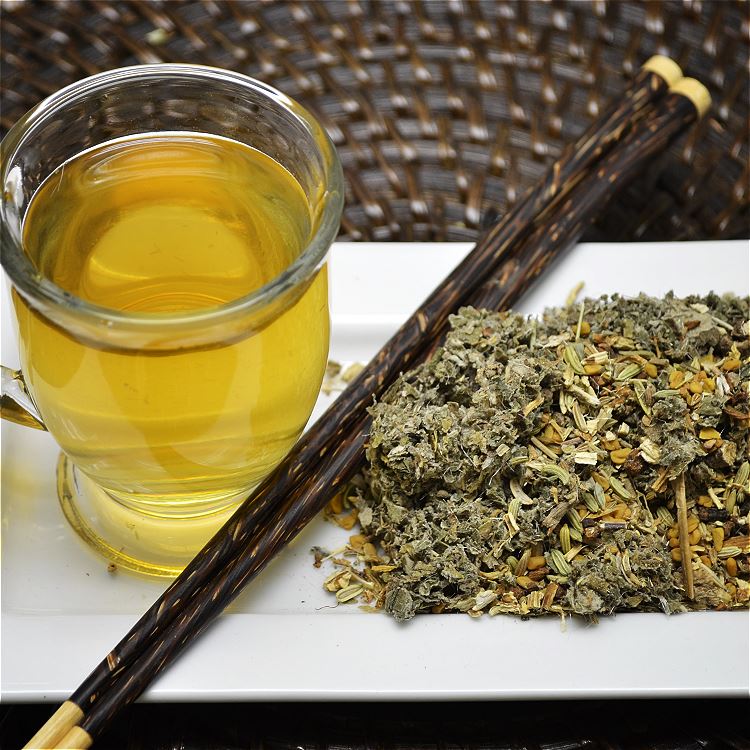
Mommapalooza Herbal Tea is a loose-leaf blend designed for the distinct nutritional and comfort needs of pregnancy and early postpartum. Its 3 core botanicals—raspberry leaf, nettle, and ginger—are among the most traditionally used and research-reviewed herbs in maternal herbalism. A 2021 systematic integrative review of raspberry leaf in pregnancy examined its biophysical effects across 8 clinical studies and found it was the most commonly self-administered herbal product in pregnancy among surveyed populations. [1]Raspberry Leaf Pregnancy Biophysical Effects Safety Systematic Review — PubMed View source
This blend is formulated around the traditional maternal herbalism principle of nourishing teas: herbs selected for their micronutrient content, uterine tone support, digestive comfort, and mineral density rather than pharmacological potency. It is NOT a replacement for prenatal vitamins, prenatal care, or physician-prescribed treatments.
Key Ingredients and How They Work
The herbs in this blend were selected based on their traditional use in maternal herbalism, available safety literature, and evidence for pregnancy-relevant benefits including nausea relief, nutritional support, and postpartum recovery.
| Ingredient |
Primary Nutritional/Botanical Role |
Pregnancy Relevance |
| Raspberry Leaf (Rubus idaeus) |
Fragrine alkaloid (smooth muscle toning); iron, calcium, magnesium; vitamins C and E |
Traditionally used for uterine tone preparation; evidence strongest for 3rd trimester use (28+ weeks); rich in bioavailable minerals for pregnancy nutrition |
| Nettle Leaf (Urtica dioica) |
High iron (3.7 mg/100g), calcium (481 mg/100g), magnesium, vitamin K; anti-inflammatory |
Nutritive herb; supports iron intake to offset pregnancy-related iron demands; anti-anemic use documented in ethnobotany |
| Ginger Root (Zingiber officinale) |
Gingerols, shogaols; antiemetic via 5-HT3 antagonism and gastric motility modulation |
Most studied herbal remedy for pregnancy nausea; 9 clinical trials in systematic review confirm efficacy and safety at 250–1,000 mg/day equivalent |
| Chamomile |
Apigenin; mild antispasmodic; gentle digestive soothing |
Traditionally used for digestive comfort; newer data suggests limit to occasional use in pregnancy (limited data on daily apigenin during development) |
| Spearmint |
Carvone, limonene; digestive carminative; anti-nausea aroma |
Generally considered safe in culinary amounts; supports GI comfort and nausea relief through complementary mechanism to ginger |
| Lemon Verbena |
Flavones, verbascoside; antioxidant; digestive support |
Mild flavor-brightening; antioxidant; generally considered safe in food-level amounts during pregnancy |
Pregnancy Safety: Trimester-by-Trimester Guide
This is the most critical section for this product. Herbal safety during pregnancy is trimester-specific, and some ingredients safe in one trimester may carry risks in another. A 2016 multinational safety classification study of herbal medicines used in pregnancy categorized common herbs into safety tiers. [2]Safety Classification Herbal Medicines Pregnancy Multinational Study — PubMed View source Always confirm with your OB/GYN or midwife before use.
| Ingredient |
1st Trimester (Weeks 1–13) |
2nd Trimester (Weeks 14–27) |
3rd Trimester (Weeks 28+) |
Postpartum |
| Raspberry Leaf |
Caution—avoid or limit; uterine-stimulating properties; highest risk period for miscarriage |
Use with caution; physician approval recommended; lower risk than 1st trimester |
Traditional use supported; clinical data at 1–3 cups/day in weeks 32+; discuss with midwife |
Generally considered safe; supports postpartum uterine tone recovery |
| Nettle |
Generally considered safe in food amounts; nutritive herb; physician confirmation advised |
Generally safe; nettle is among lowest-risk herbs in pregnancy safety reviews |
Safe—mineral-rich nutritive herb; beneficial iron support |
Safe; supports iron recovery; traditionally used for postpartum anemia |
| Ginger |
Safe and recommended for nausea; 9 RCTs confirm safety at 250–1,000 mg/day; 1st trimester nausea is peak use period |
Safe at culinary–low therapeutic amounts; continue as needed for nausea |
Safe at tea amounts; avoid large doses (above 2 g/day) near delivery (mild antiplatelet effect) |
Safe; supports digestive recovery and nausea with postpartum hormonal shifts |
| Chamomile |
Use occasionally, not daily; limited data on daily apigenin during organogenesis |
Occasional use generally considered safe; avoid excessive daily use |
Occasional use accepted; avoid high daily doses |
Safe in moderate amounts; avoid during breastfeeding as limited infant safety data exists |
| Spearmint |
Safe in culinary amounts; anti-nausea aroma benefit |
Safe in food amounts |
Safe in food amounts |
Safe |
Key recommendation: Based on the ingredient safety profiles, this tea is most appropriate for use starting in the 2nd trimester and continuing through 3rd trimester and postpartum, under the guidance of your healthcare provider. First-trimester use requires direct physician or midwife approval due to raspberry leaf's uterine-stimulating properties.
What the Research Shows: Ginger and Pregnancy Nausea
Nausea and vomiting of pregnancy (NVP) affects 70–85% of pregnant women, typically peaking in weeks 6–12. Ginger is the most evidence-backed non-pharmaceutical remedy for NVP, with support across 9 clinical trials. A comprehensive review of 109 ginger RCTs found significant antiemetic efficacy without teratogenic risk at studied doses. [3]Ginger Human Health Comprehensive Review 109 RCTs — PubMed View source
| Research Area |
Key Finding |
Evidence Source |
| Pregnancy nausea (ginger) |
Ginger at 250–1,000 mg/day reduced nausea severity in 5–7 of 9 RCTs vs placebo; significant NVP score improvement in most trials |
Systematic reviews (2018, 2020) |
| Raspberry leaf safety |
2021 systematic review: no adverse outcomes in 3rd trimester users vs non-users; most common use was weeks 32–39; no increased intervention rates |
Systematic integrative review (2021) |
| Raspberry leaf observational outcomes |
2024 prospective study: raspberry leaf use in pregnancy associated with no significant adverse maternal or neonatal outcomes in 200+ participants |
Prospective observational (2024) |
| Herbal tea overall benefits |
Scoping review found consistent evidence for digestive, anti-nausea, and mineral-support benefits from nutritive herbal teas |
Scoping review (2019) |
Mommapalooza Tea for Pregnancy Nausea
Pregnancy-related nausea is primarily driven by rising hCG levels in the first trimester and is modulated by 5-HT3 receptor activity in the gastrointestinal tract. Ginger's active compounds—gingerols and shogaols—are selective 5-HT3 antagonists, working through the same receptor class as prescription antiemetics (ondansetron). This mechanistic alignment is why ginger's antiemetic evidence is among the strongest of any herbal remedy. [4]Ginger Gastrointestinal Disorders Clinical Trials Review — PubMed View source
For pregnancy nausea specifically, the combination of ginger and spearmint aroma in this blend provides a 2-pathway approach: ginger's systemic 5-HT3 activity and spearmint's rapid-onset olfactory-mediated nausea suppression. The warm tea temperature also helps—warm fluids are better tolerated during nausea than cold beverages and stimulate gastric emptying.
For a comprehensive guide on safe versus to-avoid teas during pregnancy, see our pregnancy-safe herbal teas guide.
Mommapalooza Tea for Nutritional Support During Pregnancy
Pregnancy increases iron requirements by approximately 50% (from 18 mg/day to 27 mg/day according to RDA standards), calcium needs increase, and magnesium demand rises to support fetal bone development. Nettle leaf is one of the most micronutrient-dense herbs available: 100g of dried nettle provides approximately 3.7 mg iron, 481 mg calcium, and 57 mg magnesium. At tea brew concentrations (2–4 g dried herb per cup), mineral extraction is partial but meaningful as a dietary complement. [5]Herbal Teas and Their Health Benefits Scoping Review — PubMed View source
Raspberry leaf contributes additional iron, calcium, and vitamin C (which enhances iron absorption). The vitamin C in raspberry leaf creates a natural iron-absorption-enhancing pairing when consumed with the iron in nettle—the same principle underlying iron supplementation recommendations to pair with vitamin C-rich foods.
This tea is a complementary source of micronutrients. It does not replace your prenatal vitamin, and the quantities of minerals extracted in tea are significantly lower than concentrated supplement forms. Think of it as a whole-food mineral complement, not a primary micronutrient source.
Mommapalooza Tea for Postpartum Recovery
Postpartum use is where this blend has its widest safety window and broadest benefit profile. After delivery, the primary concerns shift from fetal safety to maternal recovery: iron replenishment after blood loss, digestive normalization, hormonal stabilization, and uterine recovery. All core ingredients of this blend have favorable postpartum applications. [6]Raspberry Leaf Pregnancy Prospective Observational Study — PubMed View source
-
Nettle: Supports iron recovery from postpartum blood loss; anti-inflammatory; traditionally used for postpartum anemia
-
Raspberry leaf: Supports uterine involution (return to pre-pregnancy size); traditionally used in the 4th trimester across multiple herbal traditions
-
Ginger: Supports digestive normalization after the GI stress of labor; anti-inflammatory for postpartum tissue recovery
-
Spearmint + lemon verbena: Digestive comfort; pleasant flavor that encourages adequate fluid intake postpartum
For digestive recovery and herbal support during postpartum, see our guide to digestive herbal teas.
How to Brew Mommapalooza Herbal Tea
| Brew Parameter |
Recommendation |
Notes |
| Temperature |
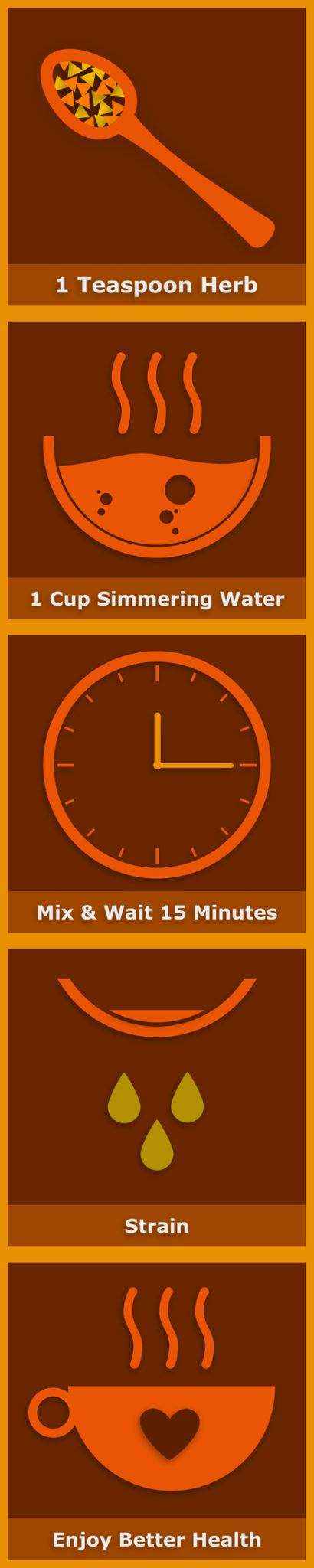
90–95°C (195–200°F) |
Near-boiling required for adequate mineral and ginger compound extraction |
| Steep time |
5–10 minutes (covered) |
Longer steep increases mineral and gingerol extraction; cover to retain volatile aromatic compounds |
| Quantity per cup |
1–2 teaspoons (2–4 g) per 8 oz |
Standard dose; do not use concentrated decoctions during pregnancy |
| Servings per day (pregnancy) |
1–2 cups (discuss with your provider) |
Follow your healthcare provider's specific guidance; avoid exceeding 2 cups/day |
| Servings per day (postpartum) |
2–3 cups |
Wider safety window postpartum; adapt to tolerance and provider guidance |
| Timing |
With or after meals |
Reduces any GI sensitivity; ginger antiemetic effect best when taken before or with meals during nausea |
Comparing Mommapalooza Tea to Other Pregnancy Herbal Teas
| Tea Type |
Primary Benefit |
Pregnancy Safety |
Trimester Cautions |
| Mommapalooza (this product) |
Multi-benefit: nausea + nutrition + uterine support |
Moderate-High (with provider guidance) |
Raspberry leaf: physician approval for 1st trimester |
| Plain ginger tea |
Nausea only |
High (strongest evidence) |
Avoid large doses near delivery |
| Plain nettle tea |
Mineral nutrition only |
High (nutritive herb) |
Generally safe all trimesters |
| Peppermint tea |
Nausea + digestion |
Moderate (considered safe at food amounts) |
Avoid in first trimester at high doses; relaxes lower esophageal sphincter (worsens heartburn) |
| Chamomile tea |
Relaxation + digestion |
Low-Moderate (limit daily use) |
Occasional use OK; avoid high daily doses throughout pregnancy |
Why Choose Remedy's Nutrition Mommapalooza Tea
| What You Get |
Why It Matters |
| Evidence-prioritized herb selection |
Every ingredient has clinical safety review data specific to pregnancy—no herbs on the standard avoid-in-pregnancy lists |
| Ginger as primary antiemetic |
9 clinical RCTs support ginger for pregnancy nausea; most evidence-based natural NVP remedy available |
| Nettle for iron and mineral support |
High bioavailable iron, calcium, and magnesium content; supports the 50% increase in iron requirements during pregnancy |
| Raspberry leaf for 3rd trimester and postpartum |
Most widely self-used herb in pregnancy globally; traditional uterine-tone support with 2024 prospective safety data |
| Caffeine-free formula |
100% herbal; supports ACOG recommendation to limit caffeine below 200 mg/day during pregnancy |
| Handcrafted in Key Largo, FL—pharmacist reviewed |
USA-made, quality-guaranteed, formulated with evidence-based maternal herb selection |
Drug Interactions and Cautions
This product is designed for use during pregnancy and postpartum—a YMYL context requiring maximum transparency about potential interactions and contraindications. Every pregnant woman's case is unique. The information below is educational and does not replace your healthcare provider's individualized guidance. [7]Tea Consumption and Cardiovascular Mortality Meta-Analysis — PubMed View source
| Drug Class / Condition |
Interaction Mechanism |
Recommendation |
| Blood thinners (heparin, low-molecular-weight heparin, aspirin) |
Ginger has mild antiplatelet effects at doses above 2 g/day; raspberry leaf has mild anticoagulant traditional classification |
Limit to 1–2 cups/day if on anticoagulant therapy; inform obstetric team of regular herbal tea use |
| Iron supplements |
Tannins in nettle and raspberry leaf may modestly reduce iron supplement absorption if consumed simultaneously |
Consume tea 1 hour away from iron supplement dose; the tea's own iron contribution offsets much of this concern |
| Diabetes medications / insulin |
Ginger may modestly lower blood glucose; relevant for women with gestational diabetes on medication |
Monitor blood glucose; inform your obstetric team; use cautiously if managing gestational diabetes with insulin or oral agents |
| Uterotonic medications (oxytocin) |
Raspberry leaf's fragrine alkaloid has uterine-stimulating properties; theoretical additive effect with oxytocin protocols |
Discontinue raspberry leaf 1–2 weeks before due date if oxytocin induction is planned; consult your provider |
| Thyroid medications (levothyroxine) |
Herbal tannins may modestly reduce levothyroxine absorption when consumed concurrently |
Separate this tea by 2–4 hours from levothyroxine dose; thyroid management during pregnancy requires careful monitoring |
| Epilepsy medications |
Ginger may modestly affect CYP3A4 enzyme activity at high doses |
Consult neurologist and OB/GYN if on epilepsy medications; tea-level doses generally low-risk |
| Vitamin K-dependent conditions |
Nettle is high in vitamin K; relevant for women taking anticoagulants |
Consistent use (not variable) to maintain stable vitamin K intake; inform anticoagulation provider |
| History of premature labor (preterm birth risk) |
Raspberry leaf uterine toning activity is contraindicated in women at high risk for preterm labor |
Do not use this tea if you have a history of preterm birth, cervical incompetence, or current preterm labor risk—consult your OB/GYN first |
Who Should Be Most Cautious
The following women should not use this product or should seek explicit medical approval before use:
-
Women in the first trimester (weeks 1–13): Raspberry leaf is traditionally avoided in the first trimester due to uterine-stimulating properties. Consult your OB/GYN or midwife before use.
-
Women at risk of preterm labor: Raspberry leaf is contraindicated. This includes women with a history of preterm delivery, cerclage, or current preterm labor symptoms.
-
Women with preeclampsia or high-risk pregnancies: Do not self-manage symptoms with herbal teas. Work directly with your obstetric team on all supportive therapies.
-
Women with blood clotting disorders or on anticoagulant therapy: Ginger and raspberry leaf both have mild anticoagulant properties; consult your hematologist or OB/GYN.
-
Women with gestational diabetes: Monitor blood glucose if consuming ginger-containing products regularly.
For more information on safe herbal options during pregnancy, see our guide to cold and immune teas and our guide to calming teas which includes pregnancy-appropriate calming options. [8]Warfarin Food Herbal Dietary Supplement Interactions Systematic Review — PubMed View source
Frequently Asked Questions
Is Mommapalooza Tea safe during the first trimester? +
First-trimester use requires explicit OB/GYN or midwife approval. Ginger is generally safe (9 RCTs confirm safety for NVP) and nettle is a low-risk nutritive herb. Raspberry leaf carries uterine-stimulating properties that make it a 1st-trimester caution. Do not start this tea in weeks 1–13 without confirming with your prenatal care provider.
When is raspberry leaf tea safe to drink during pregnancy? +
Current evidence and traditional practice support raspberry leaf starting from approximately week 32 (3rd trimester), at 1–3 cups per day, with your healthcare provider's approval. A 2021 systematic review found no adverse maternal or infant outcomes in 3rd trimester users. Avoid in the 1st trimester due to uterine-stimulating properties. Always confirm the timing with your midwife or OB/GYN.
Does ginger tea help with morning sickness during pregnancy? +
Yes — ginger is the most evidence-backed natural remedy for pregnancy nausea and vomiting (NVP). A comprehensive review of 109 ginger RCTs confirmed antiemetic efficacy. In trials specifically for pregnancy NVP, ginger at 250–1,000 mg/day reduced nausea scores significantly in 5–7 of 9 studies vs placebo. Tea provides a gentle, hydrating delivery method suitable for the nausea phase.
Can I drink this tea after giving birth? +
Yes — postpartum is the safest and most appropriate time for this blend. Raspberry leaf supports uterine involution, nettle provides iron to recover from delivery blood loss, and ginger supports digestive normalization. Most traditional maternal herbalism uses these 3 herbs most extensively during the 4th trimester (0–12 weeks postpartum). At 2–3 cups/day postpartum, safety concerns are minimal.
How does this tea support pregnancy nutrition? +
Nettle leaf (100g dry) contains approximately 3.7 mg iron, 481 mg calcium, and 57 mg magnesium. Pregnancy increases iron requirements by 50% (to 27 mg/day). At tea brew concentration (2–4 g per cup), mineral extraction is partial but meaningful as a dietary supplement. Raspberry leaf adds vitamin C, which enhances iron absorption. This tea is a nutritive complement, not a prenatal vitamin replacement.
Can I drink this tea if I'm breastfeeding? +
Ginger, nettle, and raspberry leaf are generally considered compatible with breastfeeding in traditional use. However, chamomile in the blend has limited infant safety data when consumed via breast milk. Most lactation experts recommend limiting herbal teas to 1–2 cups/day and monitoring infant for any unusual fussiness or feeding changes. Consult your lactation consultant or OB/GYN before starting.
Does this tea contain caffeine? +
No — Mommapalooza Herbal Tea is 100% caffeine-free. All ingredients are herbal botanicals (not Camellia sinensis tea plant). This supports ACOG's guideline to limit caffeine to 200 mg per day during pregnancy. The blend can be consumed at any time of day without affecting sleep or increasing caffeine exposure to the developing fetus.
Can this tea help with constipation during pregnancy? +
Indirectly, yes. Ginger supports gastric motility and reduces GI stagnation. Nettle's magnesium content may support normal bowel motility—magnesium deficiency is associated with constipation. Adequate fluid intake from warm tea also supports bowel regularity. For more targeted constipation relief, see our digestive teas guide.
What is the difference between Mommapalooza Tea and a standard prenatal vitamin? +
Prenatal vitamins provide standardized, high-dose micronutrients (folic acid 400–800 mcg, iron 27 mg, DHA, iodine) in clinically validated amounts. This tea provides minerals in food-form concentrations at much lower levels per cup. Think of the tea as a nutritive whole-food complement—not a substitute. Always continue your prenatal vitamin alongside this tea as directed by your provider.
Is this tea safe if I have gestational diabetes? +
Discuss with your obstetric team and registered dietitian before use. Ginger may modestly lower blood glucose, which could affect glucose management if you are on insulin or oral agents. At 1–2 cups/day with no sweetener added, the impact is likely minimal, but your diabetes care team should know about all herbal products you consume during pregnancy.
How much of this tea should I drink per day during pregnancy? +
1–2 cups per day during pregnancy is the conservative starting point. Follow your healthcare provider's specific guidance—some midwives recommend up to 3 cups/day in the 3rd trimester (particularly to increase raspberry leaf intake pre-labor), while others prefer 1 cup. Do not exceed your provider's recommendation. Postpartum, 2–3 cups per day is generally well-tolerated.
Can drinking raspberry leaf tea induce labor? +
The evidence does not support raspberry leaf "inducing" labor by itself. The 2021 systematic review found no significant difference in rates of spontaneous labor onset between users and non-users. Traditional use is as a uterine tone conditioner (preparing the uterus) rather than a labor inducer. At tea doses in the 3rd trimester, it may support more coordinated uterine contractions but is not a reliable labor stimulant at culinary concentrations.
What other herbal teas are safe to drink during pregnancy? +
Ginger, nettle, red raspberry leaf (3rd trimester), peppermint (2nd/3rd trimester), and rooibos are generally considered safe options in the research literature. Teas to avoid include high-dose chamomile, hibiscus in the 1st trimester, sage (uterotonic), cohosh (uterotonic), and any tea containing caffeine above 200 mg total daily intake. See our complete pregnancy-safe teas guide for a full safe-vs-avoid list.
You May Also Like