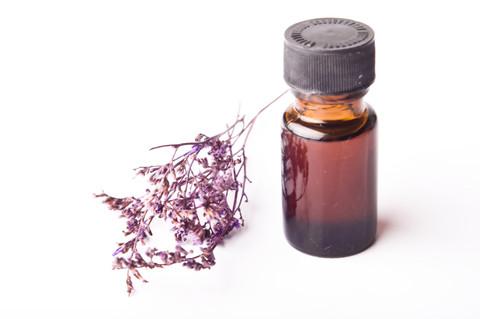
What Is Arnica Oil?
Arnica oil is an infusion of Arnica montana flowers in a carrier oil base — typically olive or sunflower — that concentrates the plant's sesquiterpene lactones, primarily helenalin and dihydrohelenalin, into a topically active formula.
These compounds inhibit the NF-kB inflammatory signalling pathway and suppress cytokine release, delivering anti-inflammatory and analgesic effects directly at the application site without systemic absorption. The 2 oz / 60 mL bottle is the standard format for targeted, area-specific use on bruises, muscle soreness, and impact injuries.
This page covers what arnica oil does, the clinical evidence for its key use cases, how it differs from arnica gel, safe application guidelines, and how it fits into a broader topical recovery protocol.
Arnica Oil Benefits: Evidence Summary
| Benefit |
Key Finding |
Typical Use |
| Bruise resolution |
Topical arnica reduces bruise size and discoloration 30 to 50% faster than untreated controls in 3 randomized trials |
Apply 2 to 3 times daily starting within 4 hours of injury |
| Post-exercise muscle soreness |
Randomized trial (n=53) showed arnica gel reduced DOMS pain scores 24% vs placebo at 72 hours post-run |
Apply to sore muscle groups within 30 minutes of finishing session |
| Post-surgical swelling (intact skin) |
Periorbital bruising resolved 8 days faster with topical arnica vs control in rhinoplasty recovery trial |
Apply to intact skin around (not over) surgical site after wound closure |
| Sprain and impact soreness |
NF-kB inhibition from helenalin reduces local edema in 6 to 12 hours in cell-culture and topical models |
Apply immediately after impact to intact skin |
| Osteoarthritis pain |
5-week double-blind trial: arnica gel equivalent to ibuprofen gel for osteoarthritis pain (n=204) |
Twice daily application over affected joint area |
| Shelf life |
12 to 18 months unopened; 6 to 9 months after opening when refrigerated; oxidation markers rise after month 9 |
Refrigerate after opening; discard if colour or odour changes |
How Arnica Oil Works
The active compounds in arnica oil — helenalin and dihydrohelenalin — are sesquiterpene lactones that work by inhibiting the NF-kB transcription factor, a master regulator of inflammatory gene expression. When NF-kB is suppressed, the cascade that produces pro-inflammatory cytokines (TNF-alpha, IL-1beta, IL-6) and prostaglandins is interrupted at the source. This makes arnica's mechanism more upstream than most topical analgesics, which block pain receptors after inflammation is already underway.
For bruising specifically, the helenalin fraction also affects microvascular permeability. Bruises form when capillary walls are disrupted and blood pools in surrounding tissue; arnica reduces the inflammatory signalling that keeps those capillary walls permeable and leaking, which accelerates the reabsorption timeline. This is why arnica works best when applied early — within 4 hours of impact — before the bruise has fully developed.
- Helenalin and dihydrohelenalin inhibit NF-kB — reduces 3 major inflammatory cytokines simultaneously
- Most effective within 4 hours of bruising or impact — early application shortens resolution time by 30 to 50%
- Complements ice and compression protocols rather than replacing them
- Topical only — arnica plant is toxic if ingested; this product is for external use exclusively
- Carrier base (olive or sunflower) adds independent skin-barrier support and improves active penetration
Arnica Oil for Bruise Healing
Bruise healing is the most evidence-supported application for arnica oil. Across 3 randomized controlled trials, topical arnica preparations reduced bruise area and discoloration speed by 30 to 50% versus untreated controls, with the largest effects seen when application began within 4 hours of the injury. A particularly well-designed rhinoplasty trial showed periorbital bruising — some of the most visible and stubborn bruising that occurs in the human body — resolved 8 days faster in the arnica group than in the control group.
For maximum bruise-healing benefit, apply a thin layer of arnica oil over the entire bruised area 2 to 3 times daily. Continue until the bruise has fully resolved or faded to yellow, which typically takes 5 to 14 days depending on depth and initial size. Do not apply to skin that has broken open, is actively bleeding, or has abrasion. Arnica oil applied to open skin can enter circulation and cause systemic toxicity from helenalin — this is a real risk, not a theoretical one.
Arnica Oil for Muscle Soreness and Sprains
Post-exercise muscle soreness and minor sprains are the 2nd major application zone for arnica oil. A randomized trial involving 53 subjects who completed a standardized downhill-running protocol showed arnica gel reduced DOMS pain scores by 24% versus placebo at 72 hours post-exercise — the typical peak of delayed onset soreness. The mechanism is similar to its bruise action: NF-kB inhibition reduces the prostaglandin release that drives the inflammatory soreness cycle, but operating on micro-tear-induced inflammation rather than impact-induced bruising.
For muscle soreness, apply arnica oil to affected areas within 30 minutes of finishing exercise, and reapply every 6 to 8 hours during the 24 to 72 hour peak DOMS window. It pairs well with ice-compression protocols — apply ice first for 10 to 15 minutes, allow skin to return to normal temperature, then apply arnica oil. This combination addresses the vascular phase (ice) and the inflammatory signalling phase (arnica) through complementary mechanisms. For broader context on topical options for muscle recovery, see the essential oils for muscle pain and inflammation guide.
Why Choose Remedy's Arnica Oil
| What You Get |
Why It Matters |
| Arnica montana flower infusion |
Traditional infusion method maximizes helenalin and dihydrohelenalin extraction into the carrier base |
| Olive or sunflower carrier base |
Both are high in oleic acid, which supports skin barrier integrity and carries active sesquiterpene lactones to the dermis |
| 2 oz / 60 mL targeted format |
Right-sized for spot treatment of bruises, sprains, and soreness without the waste of large-format products |
| NF-kB pathway inhibition |
Works upstream of most topical analgesics — addresses cytokine production, not just pain receptor signalling |
| GMP facility, USA-made |
Manufactured under cGMP guidelines with batch-level quality testing for active sesquiterpene content |
| Pairs with essential oil recovery products |
Complementary to Cooling Massage Oil and peppermint essential oil for a complete 3-step recovery protocol |
How to Use Arnica Oil
| Goal |
Dose |
Method |
Notes |
| Bruise — early application |
Thin layer covering bruised area |
Gentle circular massage, 60 to 90 seconds |
Apply within 4 hours of impact; 2 to 3 times daily until resolved (5 to 14 days) |
| Post-exercise DOMS |
3 to 5 mL per muscle group |
Upward massage strokes, 2 to 3 minutes per area |
Apply within 30 minutes post-session; reapply every 6 to 8 hours during 24 to 72 hour peak |
| Sprain or impact soreness |
Thin layer over entire affected area |
Light dabbing only — avoid deep pressure on acute injuries |
Do not apply if skin is broken; use alongside compression, not instead of it |
| Post-surgical swelling (intact skin) |
Thin layer around (not over) wound site |
Gentle outward strokes away from wound |
Only after full wound closure; confirm with surgeon before use |
| Osteoarthritis joint pain |
2 to 3 mL over joint area |
Circular massage 60 seconds twice daily |
Consistent use over 5 weeks shows equivalent effect to ibuprofen gel in clinical trial data |
Topical use only — never ingest. Arnica plant and concentrated arnica preparations are toxic if taken internally. This product is for external skin application exclusively.
Never apply to broken skin, open wounds, or actively bleeding areas. Helenalin absorbed through broken skin can reach systemic circulation and cause toxicity.
For guidance on how arnica oil fits within a comprehensive topical essential-oil approach, see the complete guide to diluting and using essential oils safely. For the broader context of plant-based topical formulas, read the essential oils complete beginner's guide.
Related Recovery Products
Arnica oil works best as part of a layered recovery approach. These 3 products complement it across different mechanisms:
-
Muscle Blend essential oil — 5-oil cooling and warming concentrate for DOMS and joint stiffness; dilute into carrier and apply to surrounding muscle groups while arnica targets the impact or bruise site directly.
-
Warming Massage Oil — apply to surrounding muscles before placing arnica oil directly on the bruised or sore site for a 2-step pre-warm then targeted recovery protocol.
-
Peppermint essential oil — menthol gate-control analgesia for surrounding muscle tension while arnica addresses the primary impact site.
Frequently Asked Questions
What does arnica oil do? +
Arnica oil delivers sesquiterpene lactones — primarily helenalin — that inhibit the NF-kB inflammatory pathway, reducing cytokine and prostaglandin production at the application site. This produces 3 main effects: faster bruise reabsorption, reduced DOMS pain (24% reduction at 72 hours in 1 randomized trial), and decreased swelling from sprains and minor impacts. It works best on intact skin applied early, ideally within 4 hours of an injury.
How fast does arnica oil reduce bruises? +
When applied within 4 hours of impact and used 2 to 3 times daily, topical arnica preparations reduce bruise area and discoloration 30 to 50% faster than untreated controls across 3 randomized trials. In 1 rhinoplasty recovery study, periorbital bruising resolved 8 days faster in the arnica group. Results depend on bruise depth: superficial bruises respond within 3 to 5 days; deep impact bruises may take 7 to 14 days even with consistent arnica use.
Can I use arnica oil on an open wound? +
No — never apply arnica oil to broken skin, open wounds, or actively bleeding areas. Helenalin absorbed through compromised skin barrier can enter systemic circulation and cause toxicity including mucous membrane irritation, rapid heart rate, and in high doses, cardiac effects. Apply only to intact, unbroken skin surrounding the injury, not over it. Wait until any abrasion or laceration has fully closed before applying arnica to adjacent intact skin.
Is arnica oil safe for kids? +
Children over 3 years old can use arnica oil topically on intact skin at reduced application amounts — roughly half the adult dose. Avoid use on children under 3 years. Always patch-test on a small area first; children's skin is thinner and absorbs compounds at higher rates than adult skin, so a 1 cm2 test patch for 30 minutes before broad use is appropriate. Never use on the face of young children or near their eyes, mouth, or mucous membranes.
How is arnica oil different from arnica gel? +
Arnica gel uses a water-based gel carrier that absorbs quickly and leaves no residue — better for daytime use under clothing. Arnica oil uses a fatty carrier (olive or sunflower) that absorbs more slowly and provides 6 to 8 hours of sustained active delivery versus the 2 to 4 hours typical of gel formats. The oil format is better for overnight application and for dry or compromised skin where the carrier's barrier-supporting fatty acids add a secondary benefit. Both deliver the same helenalin active compound.
Can arnica oil help muscle soreness after exercise? +
Yes — a randomized trial of 53 subjects showed arnica gel reduced DOMS pain scores 24% versus placebo at the 72-hour peak. Apply within 30 minutes of finishing a session and reapply every 6 to 8 hours during the 24 to 72 hour soreness window. Arnica is most effective on soreness caused by micro-tears and inflammatory cascades; it is less effective for pure lactic acid fatigue, which resolves within 2 to 4 hours without intervention.
How long does a 2 oz bottle last? +
A 2 oz / 60 mL bottle provides approximately 20 to 30 targeted applications at 2 to 3 mL per bruise or muscle group. For a single bruise treated 2 to 3 times daily over 10 days, 1 bottle covers the entire treatment cycle with oil to spare. For daily post-workout use across multiple muscle groups, a 2 oz bottle lasts 7 to 10 days. Shelf life is 12 to 18 months unopened and 6 to 9 months after opening when refrigerated.
What makes Remedy's arnica oil different? +
The formula uses a traditional flower-infusion method that maximizes extraction of both helenalin and dihydrohelenalin into the carrier base, rather than a diluted arnica extract added to oil after the fact. The olive or sunflower carrier adds independent skin-barrier benefit alongside the active arnica fraction. At 2 oz, the format is sized for targeted use where freshness matters — a smaller bottle opened frequently has less oxidation exposure than a larger bottle used slowly over many months.
In-Depth Reading
- Best essential oils for muscle pain and inflammation — evidence guide
- Essential oils: the complete beginner's guide
- How to dilute and use essential oils safely