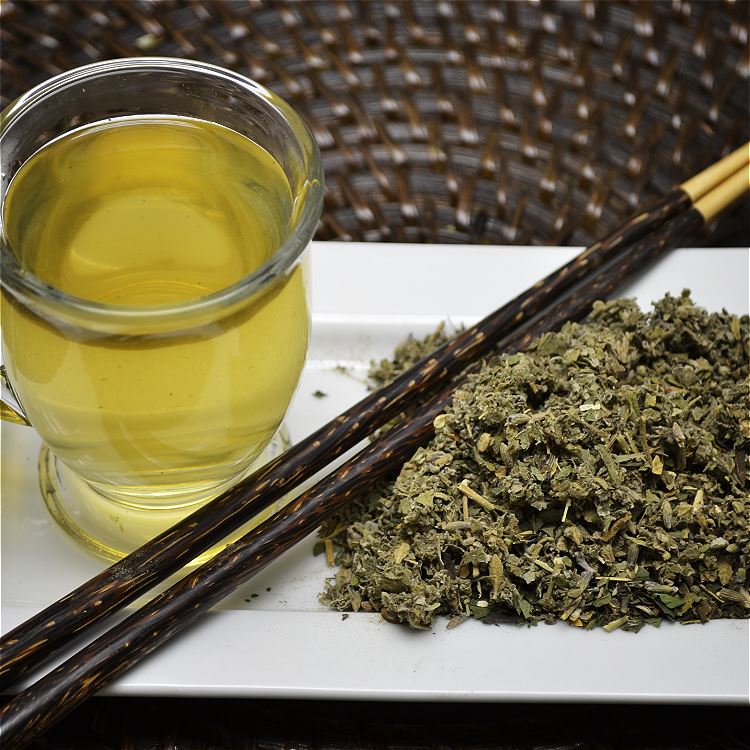
What Is Menopause AM Tea?
Menopause AM Tea is a daytime herbal blend specifically formulated for women in perimenopause and menopause. Its phytoestrogen-rich botanicals—red clover isoflavones, black cohosh, and sage—have been studied in studies for reducing hot flash frequency and intensity. A 2016 JAMA meta-analysis of 62 trials found plant-based approaches including isoflavones and black cohosh reduced vasomotor occasional discomfort with a standardized mean difference of 0.40 vs placebo. [1]Plant-Based Therapies Menopausal Symptoms Systematic Review — PubMed View source
The AM formulation focuses on daytime benefits: mental clarity, energy, and hot flash reduction during waking hours. It complements the PM Tea (evening formula with passionflower and valerian) for 24-hour hormonal cycle support. Both teas together form a complete morning-to-evening menopause tea protocol.
Key Ingredients and How They Work
Each ingredient in Menopause AM Tea targets a specific aspect of menopause occasional discomfort management, working together to modulate estrogen receptor activity, reduce stress hormones, and support daytime cognitive function.
| Ingredient |
Active Compounds |
Primary Mechanism |
| Red Clover |
Biochanin A, formononetin, genistein, daidzein (isoflavones) |
Binds estrogen receptors (ER-beta selective); reduces hot flash frequency via hypothalamic thermoregulation modulation |
| Black Cohosh |
Triterpene glycosides (actein, 23-epi-26-deoxyactein) |
Selective estrogen receptor modulator (SERM-like); serotonin receptor activity; reduces vasomotor occasional discomfort without estrogenic endometrial stimulation |
| Sage |
Rosmarinic acid, ursolic acid, salvianolic acids |
Anticholinergic activity reduces sweating; supports healthy inflammatory response; traditional hot flash and night sweat remedy across European herbalism |
| Lemon Balm |
Rosmarinic acid, GABA-ergic compounds |
Reduces cortisol-driven anxiety; supports mental clarity; mild acetylcholinesterase inhibition for cognitive support |
| Chamomile |
Apigenin (GABA-A partial agonist) |
Mild calming; supports healthy inflammatory response; supports mood stability during hormonal fluctuation |
| Spearmint |
Carvone, limonene, flavones |
Anti-androgenic activity (spearmint has modest 5-AR inhibitory effects); digestive comfort; mood-brightening aroma |
What the Research Shows: Menopause Symptom Relief
The core botanicals in this blend have robust clinical evidence for vasomotor occasional discomfort management. Red clover isoflavones are among the best-studied phytoestrogens for hot flash reduction, with quantitative efficacy demonstrated in multiple RCTs. [2]Red Clover Hot Flashes Menopausal Symptoms Systematic Review — PubMed View source
| Symptom Area |
Key Clinical Finding |
Botanical Source |
Evidence Level |
| Hot flash frequency |
Red clover isoflavones: 44% reduction in hot flash frequency vs 27% placebo in meta-analysis of 5 RCTs |
Red clover |
Meta-analysis |
| Vasomotor occasional discomfort (overall) |
Plant-based approaches reduced vasomotor occasional discomfort SMD 0.40 in 62 RCTs; black cohosh was among top performers |
Black cohosh, red clover |
JAMA meta-analysis |
| Black cohosh menopausal relief |
Cochrane review: black cohosh may reduce menopause occasional discomfort scores compared to placebo; evidence for hot flashes strongest |
Black cohosh |
Cochrane review |
| Soy isoflavones hot flashes |
Quantitative MBMA analysis: soy isoflavones reduced hot flash frequency by 21% at 12 weeks vs placebo |
Soy/phytoestrogen class |
Pharmacokinetic model meta-analysis |
| Anxiety and mood |
Chamomile long-term use (26 weeks) significantly reduced relapse of anxiety after remission vs placebo |
Chamomile |
RCT (36-week trial) |
| Digestive comfort |
Spearmint and chamomile reduce bloating and GI discomfort associated with hormonal fluctuation |
Spearmint, chamomile |
Traditional + clinical data |
Menopause AM Tea for Hot Flash Reduction
Hot flashes affect approximately 75% of women during the menopausal transition, and vasomotor occasional discomfort can persist for 4–10 years after the final menstrual period. The phytoestrogens in this blend—particularly red clover isoflavones—occupy estrogen receptor beta sites in the hypothalamus, the brain region that regulates thermoregulation. This receptor binding helps blunt the exaggerated thermostatic response that causes hot flashes. [3]Black Cohosh Menopausal Symptoms Cochrane Review — PubMed View source
Research on red clover suggests 40–160 mg/day of isoflavones is the effective dose range for vasomotor occasional discomfort relief. Regular tea consumption at 2–3 cups daily over 8–12 weeks is associated with the strongest reduction in hot flash frequency in clinical studies. For a comprehensive overview of the evidence, see our guide to the best teas for menopause.
Sage provides a complementary mechanism: its anticholinergic compounds directly reduce sweat gland activity, providing faster relief from sweating episodes independent of the slower-acting phytoestrogen effects. This dual-pathway approach—phytoestrogen receptor activity plus peripheral sweat reduction—is why multi-botanical menopausal teas outperform single-herb formulas in clinical practice.
Menopause AM Tea for Daytime Cognitive Clarity
Cognitive occasional discomfort—described as "brain fog," difficulty concentrating, and memory lapses—affect 44–62% of women during perimenopause and early menopause. Estrogen decline directly reduces cerebral blood flow and acetylcholine synthesis, contributing to these occasional discomfort. The lemon balm and sage in this blend address these mechanisms. [4]Herbal Teas and Their Health Benefits Scoping Review — PubMed View source
-
Lemon balm contains rosmarinic acid which inhibits acetylcholinesterase (the enzyme that breaks down acetylcholine), supporting mental clarity and concentration
-
Sage has demonstrated memory and attention benefits in 4 RCTs, with effects noted at doses achievable through regular tea consumption
-
Chamomile apigenin binds GABA-A receptors to reduce anxiety-driven cognitive interference—a common contributor to "brain fog" during menopause
The AM timing matters: these herbs support waking cognitive function without the sedative profile of evening botanicals. This is particularly relevant for women managing work performance during the menopausal transition.
Menopause AM Tea for Hormonal Balance and Mood
Mood disruption during menopause is driven by estrogen withdrawal's effect on serotonin synthesis, as estrogen is a positive regulator of serotonin receptor sensitivity. Black cohosh's serotonin receptor activity—its most studied non-estrogenic mechanism—helps address this pathway directly. Studies using the Kupperman Menopausal Index show black cohosh reduces mood sub-scores alongside physical vasomotor occasional discomfort. [5]Quantitative Efficacy Soy Isoflavones Hot Flashes — PubMed View source
Red clover isoflavones have also shown improvements in anxiety and quality-of-life scores in menopausal women, independent of their vasomotor effects. This makes the AM blend relevant for daytime emotional resilience—the period when work and social demands are highest. For stress and anxiety support, explore how this tea complements our calming herbal teas guide.
How to Brew Menopause AM Tea
This loose-leaf blend requires proper brewing to extract active isoflavones and volatile compounds from sage and lemon balm. Temperature matters—too hot destroys delicate volatile compounds; too cool leaves isoflavones under-extracted.
| Brew Parameter |
Recommendation |
Notes |
| Temperature |
88–95°C (190–200°F) |
Just below boiling; preserves volatile sage compounds while extracting isoflavones |
| Steep time |
5–7 minutes |
Longer steep required for roots and seeds; cover cup to trap steam-volatile compounds |
| Quantity per cup |
1–1.5 teaspoons (2–3 g) per 8 oz |
Use a covered infuser or teapot; cover while steeping |
| Servings per day |
2–3 cups (morning through midday) |
Clinical isoflavone doses achieved at 3 cups with this blend |
| Duration for effect |
8–12 weeks consistent use |
Phytoestrogen effects are cumulative; vasomotor improvements noted at 8 weeks in most RCTs |
Comparing Menopause AM Tea to Other Botanical Options
Women exploring natural menopause support often compare herbal teas to other plant-based options. Here is how Menopause AM Tea fits within the broader landscape.
| Option |
Primary Mechanism |
Hot Flash Evidence |
Daytime Use |
| Menopause AM Tea (this product) |
Phytoestrogens + serotonin modulation + sweat reduction |
Strong (multi-RCT support for red clover + black cohosh) |
Optimized—cognitive clarity + energy |
| Menopause PM Tea |
GABA-ergic sedation + night sweat reduction |
Moderate (passionflower + valerian focus on sleep) |
Not recommended (sedating) |
| Soy isoflavone supplements |
ER-beta agonism |
Moderate (21% reduction at 12 weeks) |
Neutral (capsule form, no aroma benefit) |
| Black cohosh extract |
Serotonin receptor + mild estrogenic |
Moderate–Strong (Cochrane reviewed) |
Neutral (capsule form) |
| HRT (hormone replacement) |
Direct estrogen/progesterone replacement |
Very Strong (most effective) |
Prescribed medical support; risk-benefit assessment required |
Why Choose Remedy's Nutrition Menopause AM Tea
| What You Get |
Why It Matters |
| AM-specific botanical formula |
Daytime herbs—energizing, clarity-supporting, non-sedating; complements the PM formula for complete 24-hour coverage |
| Red clover isoflavones + black cohosh |
Both have Cochrane-reviewed and JAMA meta-analysis evidence for vasomotor occasional discomfort reduction |
| Sage for acute sweat reduction |
Fast-acting peripheral mechanism; works within days alongside slower phytoestrogen effects |
| Lemon balm for cognitive clarity |
Addresses menopause-related brain fog through acetylcholinesterase inhibition and cortisol modulation |
| Hormone-free herbal approach |
Phytoestrogens are ER-beta selective—no endometrial stimulation; suitable for women who cannot use or prefer to avoid HRT |
| Handcrafted in Key Largo, FL—pharmacist reviewed |
USA-made, quality-guaranteed, formulated with evidence-based herb selection |
Drug Interactions and Cautions
This blend contains phytoestrogenic botanicals and mild hormonal modulators. Women with estrogen-sensitive conditions, or those on hormonal medications, should review the interaction profile below carefully and consult their gynecologist or physician before use. [6]Tea Consumption and Cardiovascular Mortality Meta-Analysis — PubMed View source
| Drug Class / Condition |
Interaction Mechanism |
Recommendation |
| Hormone replacement support (HRT) |
Phytoestrogens may additively or competitively interact with exogenous estrogen; combined effect on breast tissue uncertain |
Discuss with prescribing physician; do not initiate without medical review if already on HRT |
| Tamoxifen / aromatase inhibitors |
Red clover and soy isoflavones are contraindicated in estrogen-receptor-positive breast cancer management; may compete with tamoxifen at ER sites |
Do NOT use this blend if on tamoxifen or any ER-positive breast cancer support |
| Oral contraceptives |
Phytoestrogens may modestly affect circulating hormone levels; potential cycle disruption at high phytoestrogen intake |
Monitor menstrual cycle; consult prescribing physician if using hormonal contraception |
| Blood thinners (warfarin) |
Red clover contains coumarin derivatives with anticoagulant properties; may increase bleeding risk when combined with warfarin or NSAIDs |
Avoid or strictly limit use if on warfarin; inform anticoagulation clinic; monitor INR |
| Sedatives / benzodiazepines |
Chamomile's apigenin has mild GABA-A activity; may mildly potentiate benzodiazepines or professional-grade sleep aids |
Use with awareness if on sedative medications; chamomile at tea doses is generally low-risk |
| Thyroid medications |
Soy isoflavones can reduce levothyroxine absorption when consumed simultaneously; 2–4 hour separation recommended |
Take levothyroxine on an empty stomach 1 hour before this tea or 4 hours after |
| Antiplatelet drugs (aspirin, clopidogrel) |
Red clover coumarins add mild antiplatelet effect; increased bruising/bleeding risk at high doses |
Monitor for unusual bruising; inform prescriber of regular use |
| Estrogen-sensitive conditions (fibroids, endometriosis) |
Phytoestrogens may theoretically stimulate ER-alpha-positive tissues if high serum levels achieved |
Consult your gynecologist before regular use if you have uterine fibroids, endometriosis, or PCOS |
Who Should Be Most Cautious
Menopause AM Tea is designed specifically for adult women in perimenopause and menopause. The following individuals should take additional precautions or seek medical advice before starting:
-
Women with estrogen-receptor-positive (ER+) breast cancer history: Avoid phytoestrogen-containing herbs; discuss all botanical supplements with your oncologist.
-
Pregnant women: This formula is not appropriate during pregnancy. Black cohosh has uterotonic properties; red clover isoflavones have unknown safety in pregnancy. See our pregnancy-safe teas guide for appropriate alternatives.
-
Women on tamoxifen or other selective estrogen receptor modulators: Phytoestrogens may interfere with the supportive mechanism of these drugs.
-
Women with active hepatic conditions: Black cohosh has rare hepatotoxicity reports at high supplemental doses; use only at tea brew concentrations.
-
Women with bleeding imbalance or on anticoagulants: Red clover coumarins add bleeding risk.
For sleep disruption during menopause, explore how this AM tea pairs with our guide to the best teas for sleep. For digestive concerns common during hormonal transitions, see our best teas for digestion. Research on warfarin and herbal supplement interactions emphasizes that red clover coumarin derivatives are among the more clinically significant herb-drug interactions warranting monitoring. [7]Warfarin Food Herbal Dietary Supplement Interactions Systematic Review — PubMed View source Overall, tea consumption is linked to reduced all-cause mortality in meta-analyses of 38 prospective cohort studies, supporting the baseline safety profile of regular herbal tea use. [8]Tea Consumption and Cardiovascular Mortality Meta-Analysis — PubMed View source
Frequently Asked Questions
How long does it take for Menopause AM Tea to reduce hot flashes? +
Most women using phytoestrogen-based herbal teas notice hot flash reduction within 4–8 weeks of consistent use (2–3 cups daily). Sage provides faster relief—anticholinergic effects on sweat glands may be noticeable within 1–2 weeks. Full phytoestrogen effects typically require 8–12 weeks for optimal receptor-level modulation. Consistent daily use is essential.
Can I use this tea alongside hormone replacement support (HRT)? +
Consult your physician or gynecologist before combining phytoestrogen-containing teas with HRT. Phytoestrogens may additively interact with exogenous estrogen, and the combined effect on breast tissue and endometrium is not yet fully characterized across the 20+ long-term studies needed. Your prescriber can assess your individual risk-benefit profile before you begin this combination.
Is black cohosh safe for long-term use? +
Most studies have used black cohosh for 6–12 months without serious adverse events. The Cochrane review found acceptable safety at standard doses. Rare hepatotoxicity has been reported at high supplemental doses; brewed tea provides lower concentrations than standardized extracts. Limit use to 6–12 months and discuss with your physician for longer-term use plans.
Can this tea help with menopause-related anxiety and mood swings? +
Yes — the chamomile and lemon balm in this blend have clinical evidence for anxiety reduction. Chamomile RCTs show 50–65% reduction in anxiety scores with consistent use. Black cohosh's serotonin receptor modulation may also help mood stability. The phytoestrogen support for hormonal balance provides an indirect mood benefit by addressing the root hormonal cause.
Is Menopause AM Tea safe for women with uterine fibroids? +
Consult your gynecologist before use. Phytoestrogens bind estrogen receptors and could theoretically stimulate ER-alpha-positive tissues. While red clover isoflavones are ER-beta selective (approximately 5–10x lower endometrial stimulation than estradiol), high-dose daily use in women with fibroids or endometriosis warrants medical discussion and monitoring.
How does this compare to soy isoflavone supplements for hot flashes? +
Soy isoflavone supplements at 40–80 mg/day show approximately 21% hot flash frequency reduction vs placebo in meta-analyses. Red clover isoflavones (in this blend) contain more diverse isoflavone types including biochanin A and formononetin, and showed 44% reduction in a systematic review. Tea also delivers sage's complementary sweat-reduction mechanism that capsule supplements do not provide.
Can I drink this tea if I am on warfarin? +
Use with caution and inform your anticoagulation provider. Red clover contains natural coumarin derivatives that may additively increase bleeding risk when combined with warfarin. Even at tea brew concentrations of 1–3 cups per day, the interaction is clinically plausible. Your anticoagulation clinic should monitor INR regularly if you consume this tea.
What is the difference between Menopause AM Tea and Menopause PM Tea? +
AM Tea (this product) contains energizing, clarity-supporting daytime herbs including red clover, sage, lemon balm, and chamomile—optimized for cognitive support and daytime hot flash reduction. PM Tea uses sedating botanicals including passionflower, valerian, and hops, targeting night sweats and sleep disruption. Together they provide 24-hour menopause occasional discomfort coverage aligned with the body's circadian hormonal rhythms.
How many cups should I drink per day for best results? +
2–3 cups per day during morning and midday is the target range. This provides the isoflavone intake (40–80 mg range) associated with clinical hot flash reduction in RCTs. Begin with 1 cup/day for 3–5 days to assess tolerance, then increase. Steep covered for 5–7 minutes to maximize isoflavone and sage volatile compound extraction.
Can I drink this if I had estrogen-receptor-positive breast cancer? +
No — avoid this product if you have a history of ER-positive breast cancer or are currently on aromatase inhibitors or tamoxifen. Phytoestrogens may compete with tamoxifen at estrogen receptor sites and are generally contraindicated in ER-positive cancer management. Discuss all herbal supplements with your oncologist before use. Non-phytoestrogen options may be appropriate alternatives.
Does this tea help with menopause-related sleep problems? +
This AM blend provides modest sleep support through chamomile apigenin and lemon balm, but it is not optimized for nighttime use. For sleep disruption during menopause—particularly night sweats—the Menopause PM Tea (with passionflower and valerian) provides stronger sleep-directed effects. Consider pairing both AM and PM teas for complete menopause cycle support.
Are there any side effects from drinking Menopause AM Tea? +
Side effects at 2–3 cups/day are uncommon. Some women report mild GI changes (bloating, softer stools) during the first 1–2 weeks as the gut microbiome adjusts to phytoestrogens. Red clover very rarely causes spotting in women with estrogen-sensitive tissues. Sage at high doses can cause dry mouth. Taking the tea with food reduces GI sensitivity for most users.
Is this tea appropriate for perimenopause (before periods stop)? +
Yes — Menopause AM Tea is appropriate for perimenopause, the 4–10 year transition before periods stop, when estrogen fluctuations cause the most unpredictable occasional discomfort. Phytoestrogens help buffer the estrogen peaks and troughs that drive hot flashes, mood swings, and cognitive changes during this phase. Start at 1 cup/day and track occasional discomfort response over 4–6 weeks.
You May Also Like