
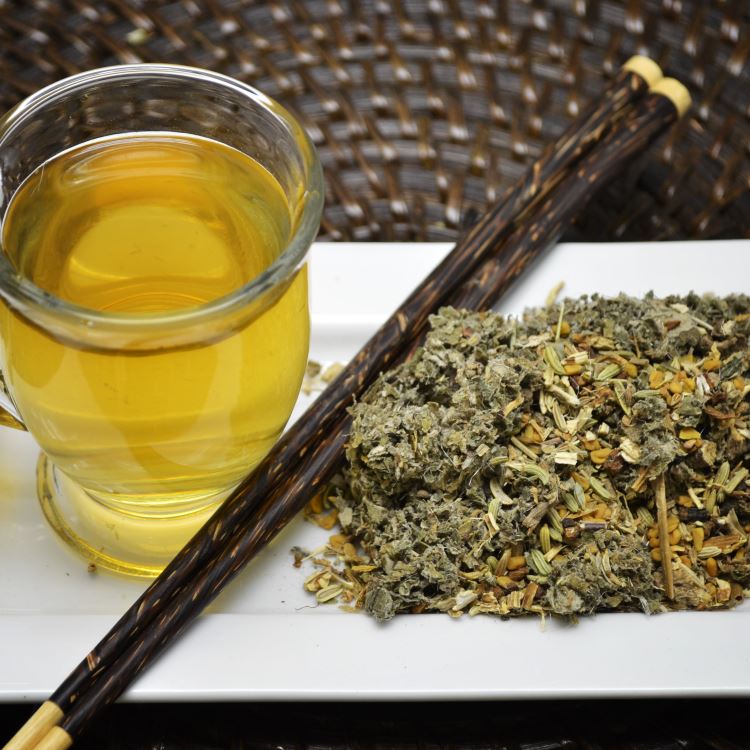
Cramp and Menstrual Tea
- Supports Menstrual Cramp & Cycle Comfort*
- Promotes Hormonal Balance During Period*
- Soothing Herbal Tea for Monthly Wellness*


Couldn't load pickup availability
*These statements have not been evaluated by the Food and Drug Administration. This product is not intended to diagnose, treat, cure, or prevent any disease.
Quick Answer: What Is Cramp & Menstrual Tea Good For?
Cramp & Menstrual Tea is a caffeine-free herbal tea for menstrual cramps, combining Cramp Bark, Raspberry Leaf, Ginger, Peppermint, and Chamomile to relax uterine muscles and ease bloating, mood swings, and digestive upset during your period. Drink 2-3 cups daily starting 2-3 days before menstruation and through the first 2-3 days of flow.
Why an Herbal Tea for Menstrual Cramps?
Menstrual cramps happen when your uterus contracts to shed its lining. Prostaglandins, inflammatory compounds released during this process, drive the pain intensity. For many women, over-the-counter NSAIDs like ibuprofen work by blocking prostaglandin production — effective but hard on the stomach over years of monthly use.
A good herbal tea for menstrual cramps takes a different approach. Traditional antispasmodic herbs relax the uterine muscles directly, while anti-inflammatory botanicals calm the tissue inflammation driving the pain. The warm cup itself soothes through heat therapy, which has been shown in studies to reduce cramp intensity as effectively as low-dose NSAIDs.
How Cramp & Menstrual Tea Works
Five herbs in this blend target different aspects of menstrual discomfort. Cramp Bark — named for exactly this purpose — contains compounds that calm uterine muscle spasms. Raspberry Leaf has centuries of traditional use as a uterine tonic, strengthening the muscle tone that contributes to smoother, less painful cycles over time. Ginger reduces prostaglandin production similar to how NSAIDs work, plus settles the digestive upset many women experience pre-period.
Peppermint soothes the digestive tract and reduces bloating. Chamomile calms the nervous system — helpful because hormonal shifts amplify emotional reactivity in the premenstrual week. Together they create a multi-target relief that addresses cramping, bloating, mood, and digestive complaints in one cup.
How This Tea Compares to Other Period Relief Options
When cramps hit, women typically reach for heating pads, ibuprofen, or a hot bath. Here is how the main options compare:
| Option | Mechanism | Pros | Cons |
|---|---|---|---|
| Cramp & Menstrual Tea | Antispasmodic herbs + anti-inflammatory + heat + hydration | Multi-target, no stomach issues, non-hormonal | Takes 20-30 min to feel relief |
| Ibuprofen (NSAID) | Blocks prostaglandins | Fast (30-60 min) and strong | Stomach ulcers with heavy monthly use; liver/kidney load |
| Heating pad alone | Heat relaxes muscles | Zero side effects, immediate comfort | Localized; doesn't address bloating or mood |
| Hormonal birth control | Prevents/reduces menstruation | Eliminates cycle entirely for some | Systemic hormonal effects; not for everyone |
| Magnesium supplements | Muscle relaxation, nerve calming | Good for PMS + cramps preventively | Slow onset; works best with daily use |
Many women combine the tea with a heating pad for synergistic effect — heat works locally on abdominal muscles while herbs work systemically on inflammation and mood.
Who Benefits Most?
Women with regular but painful periods get the most consistent benefit when they start drinking the tea 2-3 days before flow begins. This pre-emptive use lets the anti-inflammatory herbs build concentration in tissue before prostaglandins spike, reducing peak pain intensity rather than chasing it.
Women who cannot or prefer not to rely on ibuprofen every month appreciate the stomach-friendly alternative. People with hormonal sensitivity who react badly to birth control find it a non-hormonal support. Teenagers with newly-painful cycles benefit from the gentler, non-pharmaceutical first line. Anyone experiencing premenstrual bloating, mood swings, or digestive upset gets multi-symptom relief that dedicated cramp drugs miss.
How to Brew and Use Cramp Tea
Pour 8 ounces of just-boiled water over 1 heaping teaspoon of loose-leaf tea. Cover and steep 7-10 minutes — the longer steep extracts more antispasmodic compounds from the Cramp Bark. Strain and drink warm. Honey or a squeeze of lemon works well if desired.
For best results, start drinking the tea 2-3 days before your expected period: 2 cups daily, morning and evening. Continue through the first 2-3 days of flow at 3 cups per day. If you have irregular cycles, drink when you notice premenstrual symptoms starting (breast tenderness, mood changes, bloating). Pair with a heating pad on the lower abdomen for amplified relief during active cramping.
Safety & When to Avoid
- Do not drink during pregnancy — Raspberry Leaf and Cramp Bark are not pregnancy-safe outside specific prenatal use (consult midwife)
- Avoid if you have heavy menstrual bleeding (menorrhagia) without medical assessment first
- Consult your doctor if you take blood thinners — Ginger and Chamomile have mild antiplatelet effects
- Not intended to replace medical treatment of endometriosis, fibroids, or severely painful periods
- If cramps are severe, disabling, or worsen over cycles, see your doctor to rule out underlying conditions
These statements have not been evaluated by the FDA. This product is not intended to diagnose, treat, cure, or prevent any disease.
Why Choose Remedy's Cramp & Menstrual Tea?
Most "period teas" on the market rely on one or two herbs — usually Chamomile and Ginger — because they taste good and are easy to source. Our formula includes traditional antispasmodic Cramp Bark specifically (which most commercial blends skip due to its bitter profile), giving you targeted muscle-relaxing support that most period teas miss. The five-herb synergy addresses cramping, bloating, and mood in one blend rather than forcing you to stack multiple products.
Loose-leaf format preserves volatile oils. Caffeine-free for use at any hour. Blended and packaged in the USA.
Frequently Asked Questions
What is the best tea for menstrual cramps? +
The best tea for menstrual cramps combines antispasmodic herbs (Cramp Bark, Raspberry Leaf), anti-inflammatory plants (Ginger), and calming botanicals (Chamomile, Peppermint). This multi-herb approach addresses cramping, bloating, and mood in one cup. Drink 2-3 cups daily starting 2-3 days before your period for best results.
Does tea really help period cramps? +
Yes - moderately. Ginger in particular has clinical evidence: a 2015 review in Phytotherapy Research found 750-2000mg ginger daily reduced cramp severity comparably to ibuprofen. Heat from hot liquid also provides immediate relief. Effect is not as strong as NSAIDs but works without stomach damage over years of use.
How soon does cramp tea work? +
Partial relief begins within 20-30 minutes of drinking a warm cup, primarily from heat and hydration. Herbal effects build over 1-2 hours. For maximum benefit, start drinking 2-3 days before your period starts so anti-inflammatory compounds reach effective tissue levels before prostaglandin spike.
How much cramp tea should I drink? +
Pre-period (2-3 days before): 2 cups daily morning and evening. During flow (first 2-3 days): 3 cups daily spread across the day. Maintenance between cycles: 0-1 cups daily - you don't need to drink it year-round. Cycle with your period rhythm.
Can I drink this tea during pregnancy? +
NO - this tea contains Cramp Bark and Raspberry Leaf at levels not appropriate for early pregnancy. Raspberry Leaf is traditionally used in late pregnancy only with midwife guidance. Cramp Bark is contraindicated. For pregnancy support, see Remedy's Mamapalooza Herbal Tea or consult your provider.
What tea is best for bloating before period? +
Peppermint, Ginger, and Chamomile work best for premenstrual bloating - all three are in this blend. Peppermint relaxes digestive smooth muscle, Ginger reduces gas and nausea, Chamomile calms visceral tension. Drink a cup after dinner in the premenstrual week for best bloating relief.
Can I drink cramp tea with ibuprofen or Tylenol? +
Yes - safe to combine with standard OTC pain relievers. The tea works through different mechanisms (muscle relaxation, anti-inflammatory herbs) than NSAIDs (prostaglandin blocking). Many women use both together during peak pain hours. Avoid combining with blood thinners without doctor approval.
When should I see a doctor about period cramps? +
If cramps are disabling (miss work or school), worsen over multiple cycles, cause vomiting or fainting, or if pain persists outside your period, see your doctor. These may signal endometriosis, fibroids, or pelvic inflammatory disease. Tea can support comfort but not replace medical evaluation of severe symptoms.